

As one of the oldest and most influential film studios in the world, Paramount has been shaping the Hollywood industry for over a century. Founded in 1912, the company has become a symbol of both classic and modern cinema. It has seamlessly bridged the silent film era, the Golden Age of Hollywood, the digital transformation, and the streaming revolution. Read more on los-angeles.pro.
Today, Paramount is synonymous with massive global franchises, distribution innovations, and cultural touchstones like Mission: Impossible, Transformers, and Star Trek. Its success story is a prime example of how a traditional movie studio managed to adapt to shifting market realities, new technologies, and changing audience expectations.
The Founding of the Company
Paramount’s story begins with the Famous Players Film Company, founded by Adolph Zukor in 1912. His core vision was to produce feature films starring famous stage actors. He believed this would elevate the prestige of the film industry and draw in middle-class audiences.
In 1914, the Paramount Pictures Corporation was established as a distribution company. It quickly grew into the first successful nationwide film distribution network in the United States. This was a truly revolutionary move. Before this, movies were sold on a purely local basis, which severely limited their commercial potential.
In 1916, Famous Players, the Lasky Company, and Paramount merged to form the Famous Players–Lasky Corporation. This unified powerhouse eventually became the core of the modern-day Paramount Pictures.
The Golden Age of Hollywood
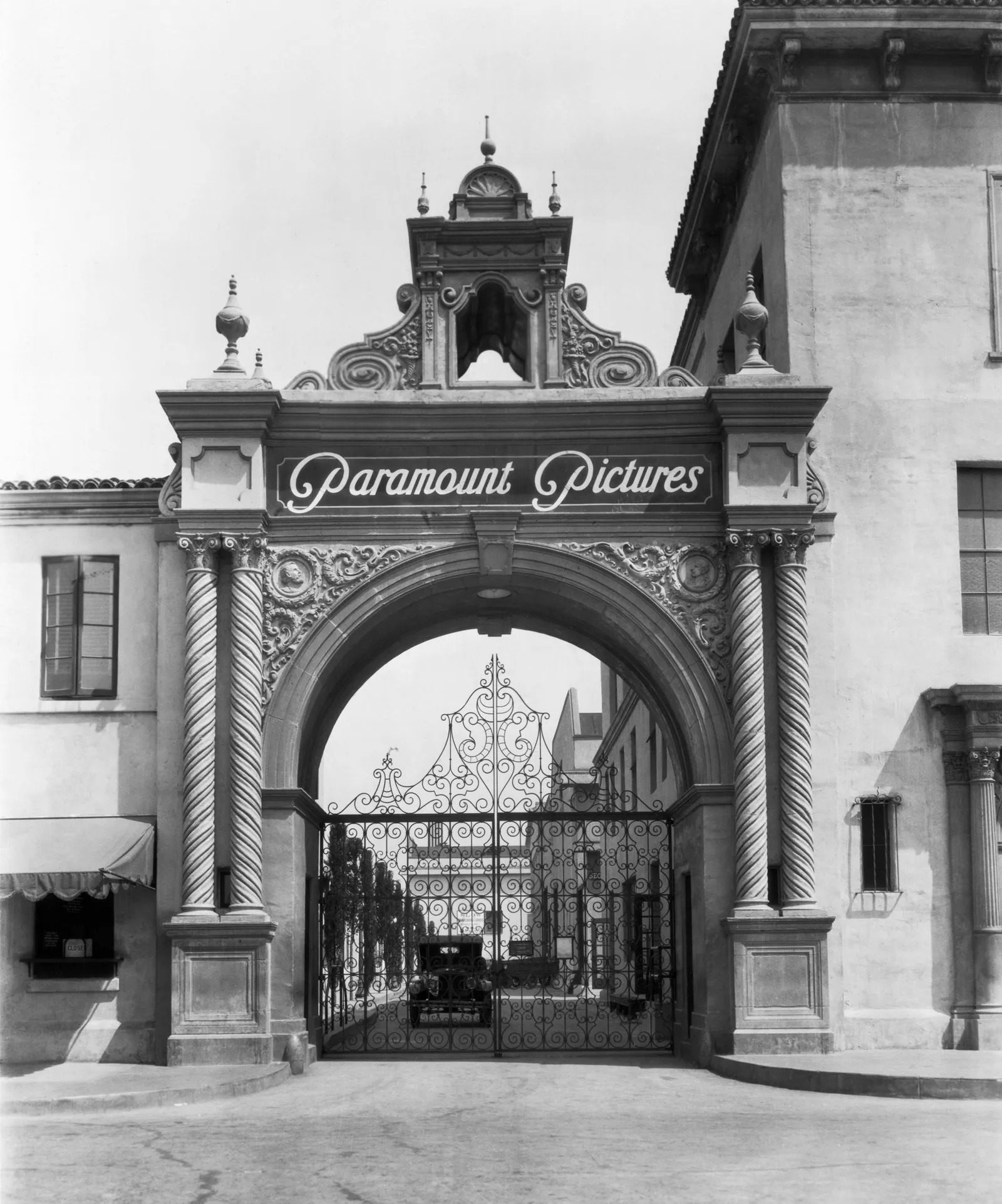
During the 1920s and 1930s, Paramount emerged as a titan of the Hollywood studio system. The company heavily promoted the concept of “star contracts,” signing the most popular actors of the time. This allowed the studio to build a massive production pipeline that operated like a well-oiled machine. This was the era that launched screen legends like Mary Pickford, Rudolph Valentino, and Clark Gable. Paramount also introduced the practice of “block booking,” selling films to theaters in bundles. This approach gave the studio an iron grip on theatrical exhibition. During this period, the company became one of the most profitable in the U.S., firmly cementing its status as a true “dream factory.”
The Great Depression brought severe financial struggles in the 1930s, pushing Paramount to declare bankruptcy in 1933. However, a strategic reorganization saved the company. The ultimate blow to the old studio system came with the historic Supreme Court ruling in United States v. Paramount Pictures, Inc. (1948). The court banned film studios from owning their own theaters, effectively destroying the vertically integrated business model. This landmark decision changed the industry forever and ushered in the new era of independent filmmaking.
Entering the Television Era
In the 1950s and 1960s, Paramount gradually adapted to the rapid rise of television. The studio invested heavily in TV projects and experimental networks, notably KTLA—the first commercial TV station on the West Coast. Despite losing some assets due to antitrust rulings, the company maintained its influence through strategic investments and by selling the rights to its massive film library. These archives later became the foundation for broadcasting Hollywood classics on television.
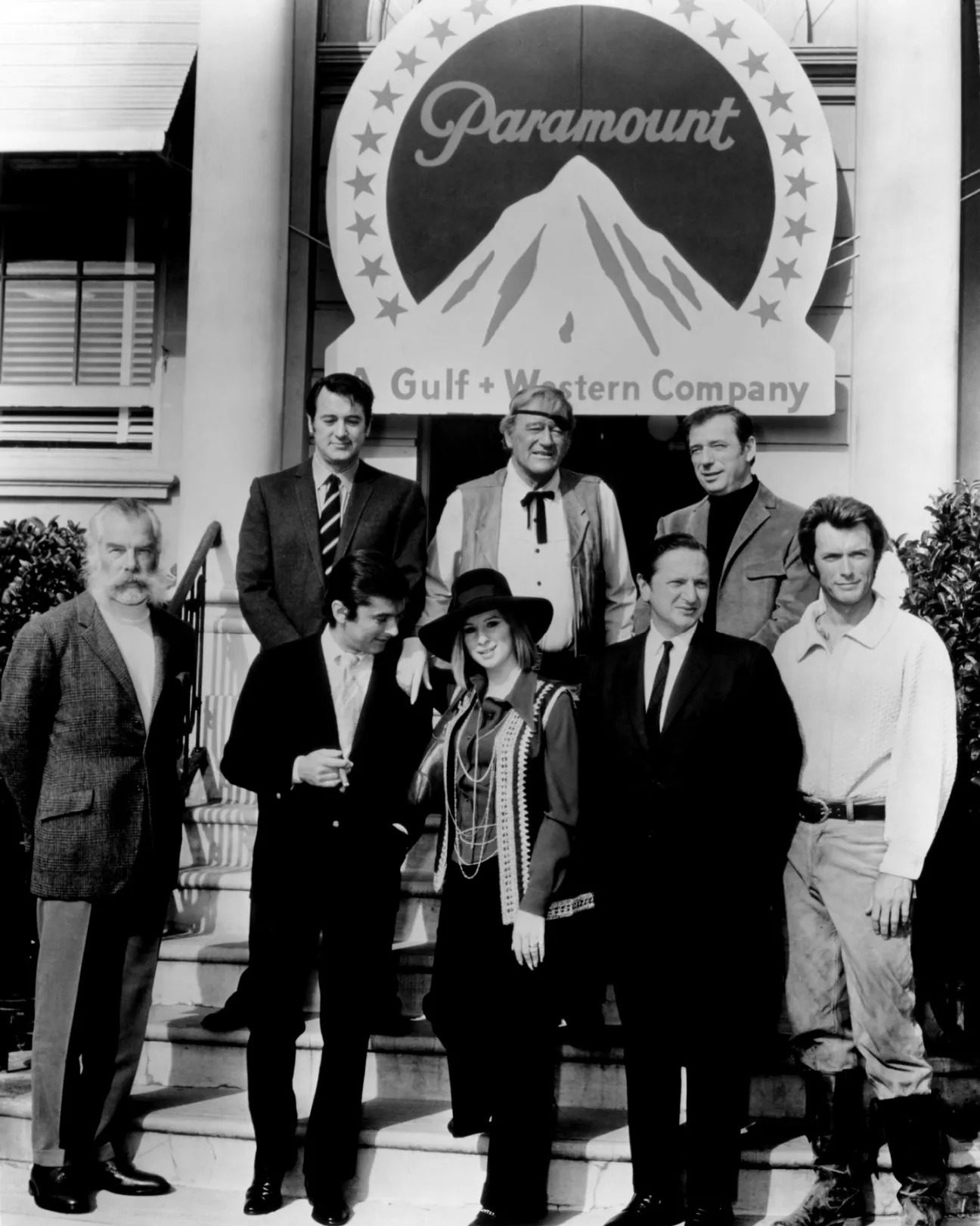
In 1966, Paramount was acquired by Gulf and Western Industries. This acquisition marked the beginning of a massive revival, restoring the studio as a commercial powerhouse. Under the leadership of producer Robert Evans, the company released a string of iconic films, including The Godfather, Chinatown, Love Story, and Rosemary’s Baby. These masterpieces put Paramount back at the very top of Hollywood. Moving into the 1970s and 1980s, the studio shifted its focus toward high-budget, commercially driven blockbusters, delivering hits like Saturday Night Fever, Top Gun, and the Indiana Jones series (in partnership with Lucasfilm).
Global Expansion
By the 1980s and 1990s, Paramount had solidified its reputation as a premiere blockbuster machine. During this era, the studio became synonymous with mass-market cinema. Some of the biggest hits from this time included Top Gun, Ghost, The Firm, Forrest Gump, and the monumental Titanic (co-produced with 20th Century Studios and Lightstorm Entertainment). Titanic shattered box-office records and swept the Oscars, further elevating the studio’s global standing.
As the 2000s dawned, Paramount actively embraced the digital revolution. The studio was one of the first to pivot toward digital film distribution while forging new partnerships in streaming and online delivery. Paramount also expanded its television footprint, producing premium series and content for international markets. In 2019, following the ViacomCBS merger, the studio became part of a massive media ecosystem, with the Paramount+ streaming platform at its center.
In 2025, Paramount merged with Skydance Media to form a new corporate entity—Paramount Skydance. This major deal allowed the studio to boost its production capabilities, invest heavily in emerging technologies, and significantly expand its project portfolio.
Today, the company’s core strategy is built on three main pillars:
- developing major franchises and blockbusters;
- expanding its streaming business;
- driving international content distribution.
Paramount boasts one of the most powerful franchise portfolios in the entertainment industry. Massive properties like Mission: Impossible, Transformers, Star Trek, and Sonic the Hedgehog generate consistent revenue and ensure the brand’s global recognition.

What Makes the Studio Unique
Paramount Pictures stands out as one of the few studios to operate continuously from the dawn of cinema straight through to the digital age—all while keeping its production lot right in Hollywood. It serves as a vital historical bridge connecting the Golden Age of the studio system to the modern global entertainment industry. Paramount was one of the pioneers of the vertical integration model, once controlling everything from production and distribution to owning massive theater chains. It was also the studio that perfected the star contract system, practically inventing the concept of the “Hollywood star” as a commercial brand. Furthermore, by introducing block booking, the company fundamentally reshaped the economics of film distribution.
The studio’s technological innovations also deserve a special mention. Paramount developed its own widescreen format, VistaVision, which significantly enhanced image resolution and paved the way for modern widescreen cinema. Later on, the company became an early adopter of fully digital distribution, cementing its leadership in the modern technological era.
Another remarkable trait is Paramount’s ability to continually reinvent itself through shifting corporate structures. The studio has managed to preserve its legendary brand and creative identity despite navigating severe crises, near-bankruptcy, and massive antitrust lawsuits. It is exactly this incredible resilience that has kept Paramount at the pinnacle of Hollywood for over a hundred years.
The story of Paramount Pictures is a fascinating journey from the early days of silent film to a sprawling global digital empire. Thanks to its adaptability, strategic investments, and iconic franchises, the company remains a central pillar of world cinema. Today, Paramount is no longer just a movie studio—it is a colossal media ecosystem that continues to dictate the trends of modern pop culture.