

How did Hugh Hefner turn Los Angeles into the epicenter of the sexual revolution and a symbol of a lavish lifestyle? The iconic Playboy Mansion in Holmby Hills was more than just a residence; it was the headquarters of a media empire that reshaped American culture. In this article on los-angeles.pro, we explore 5 little-known facts about the “King of Parties” in California: from his first millions and silk robe gatherings to Crystal Hefner’s bombshell 2024 memoir and the brand’s roadmap for 2026. Discover the true price of being Hollywood’s ultimate hedonist.
Life Before the Fame
Hugh Marston Hefner was born in Chicago on April 9, 1926. His father was an accountant, and his mother was a teacher who had hoped her son would become a missionary. Hefner’s family was typical midwestern and deeply conservative Methodist. He received his primary and secondary education in Chicago.
From 1944 to 1946, he served in the U.S. Army as a copywriter for a military newspaper. In 1949, he graduated from the University of Illinois at Urbana-Champaign with a Bachelor of Arts degree in psychology, followed two and a half years later by a degree in creative writing and art. He also audited a semester of graduate sociology courses at Northwestern University in the spring of 1950 before eventually dropping out.
The Launch of Playboy
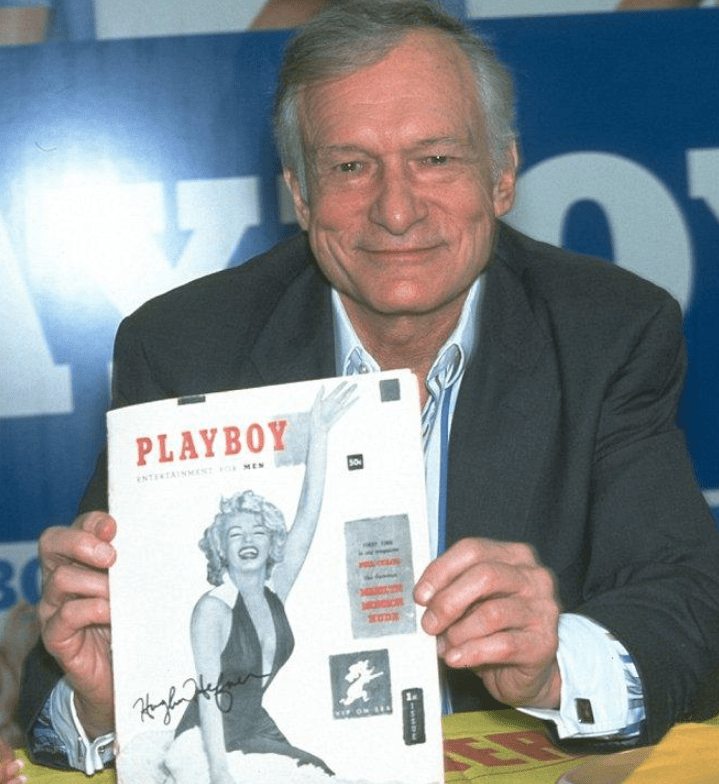
In January 1952, Hugh Hefner quit his job as a copywriter at the men’s magazine “Esquire” after being denied a $5 raise. The following year, in 1953, he secured a $600 loan and raised $8,000 from 45 investors—including a $1,000 contribution from his mother—to launch his own magazine. It was initially slated to be called Stag Party.
Hefner founded Playboy in 1953, which rapidly became the foundation of his vast leisure empire. From that point on, his name became synonymous with luxury, explicit imagery, extravagant mansion parties, and the hedonistic pursuit of sexual liberation. He openly sought to overturn U.S. social norms. This lavish lifestyle wasn’t just promoted in the magazine; it was also showcased in TV shows he hosted, such as Playboy’s Penthouse (1959–1960) and Playboy After Dark (1969–1970). He also served as the chief creative officer of Playboy Enterprises, the publishing group that managed the magazine.
In 1959, Hugh Hefner also launched the Playboy Jazz Festival. This annual event continues to bring legendary musicians, rising stars, and thousands of live music fans to the Hollywood Bowl stage every year. Learn more about the history of the Playboy Jazz Festival and its half-century legacy.
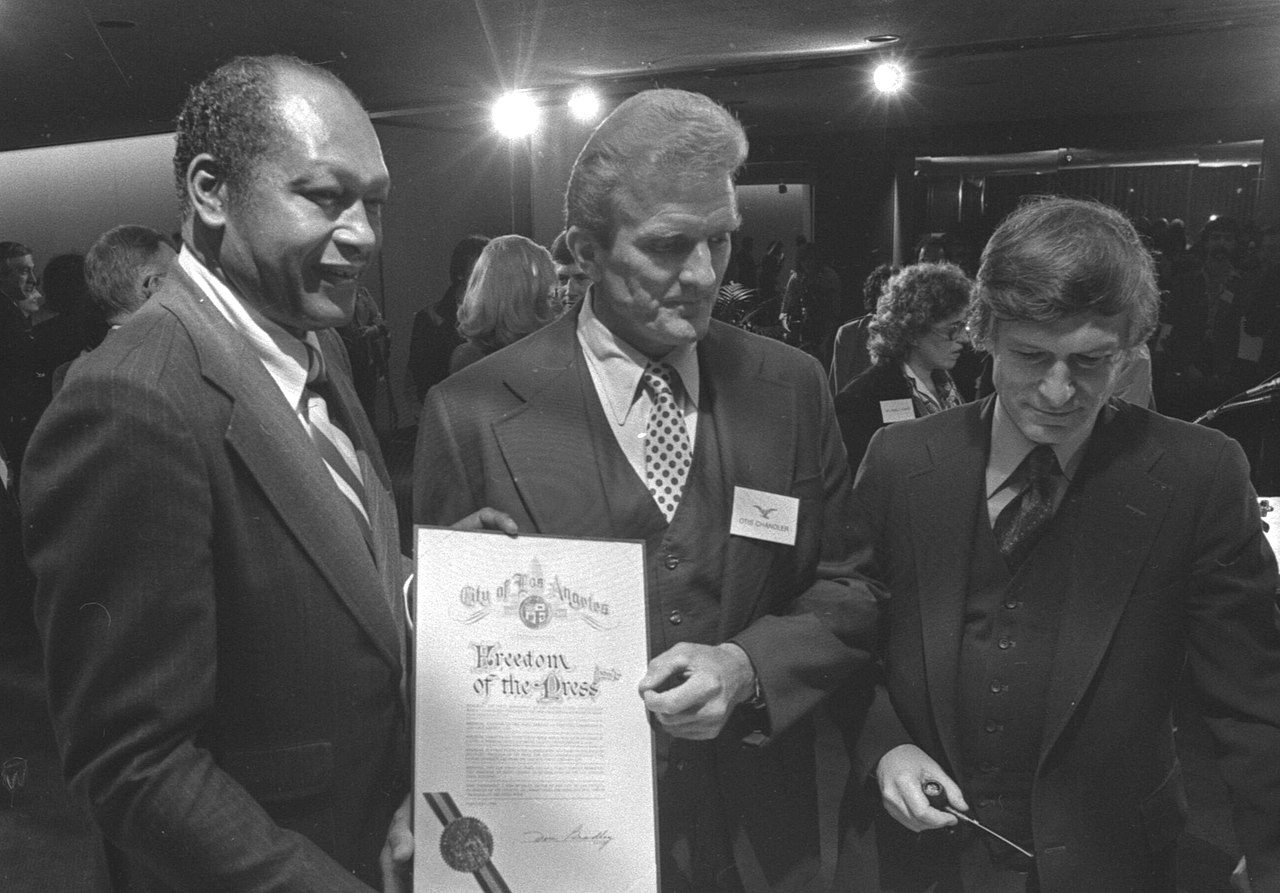
The controversy started early: on June 4, 1963, Hefner was arrested for distributing “obscene literature” after a Playboy issue featured nude photos of Jayne Mansfield in bed with a man.
| Year | Event | Significance for Los Angeles Culture |
| 1953 | Founding of Playboy magazine | The beginning of the sexual revolution in media |
| 1959 | Launch of the Playboy Jazz Festival | Start of one of LA’s most significant musical traditions |
| 1971 | Move to Playboy Mansion West | Turning Holmby Hills into the epicenter of social life |
| 2012 | Final marriage (to Crystal Harris) | Solidifying the “eternal bachelor” status in his senior years |
| 2017 | Death and burial next to Monroe | Creating Hollywood’s ultimate memorial duo |
| 2025 | Relaunch of the print edition | An attempt to bring the brand back into the physical space |
The Extravagant Los Angeles Life
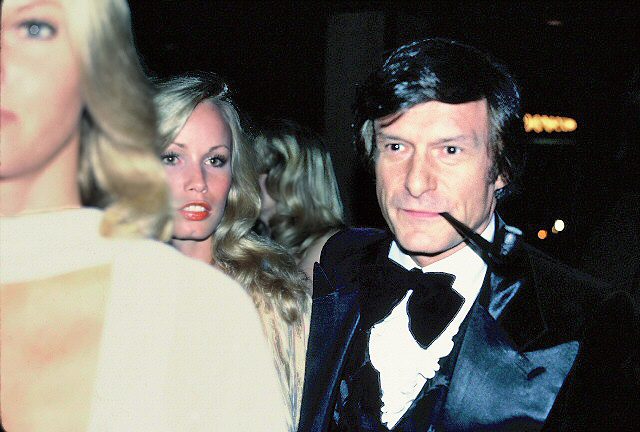
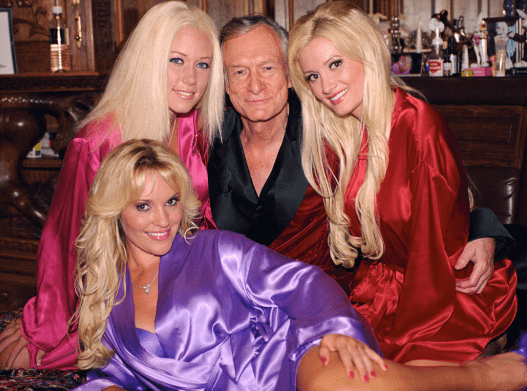
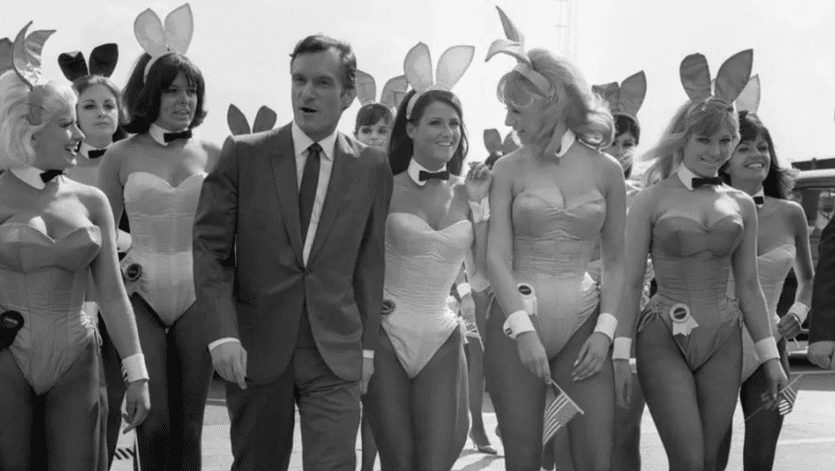
In the 1970s, Hugh Hefner saw the mansion in Holmby Hills as the perfect opportunity to create a hedonistic headquarters for his growing business. The location quickly became an incredibly popular landmark, and an invitation to one of Hefner’s parties was a definite status symbol. Guests at these exclusive events would mingle with celebrities, Playboy Bunnies, and the host himself, who was often seen in his trademark silk pyjamas (or, to use the Canadian spelling, pajamas is also widely accepted).
Over time, however, Playboy’s success began to fade as the “free love” ethos came under heavy criticism. The publisher started facing backlash over the alleged exploitation of women and the recklessness of his lifestyle in the age of AIDS.
Hefner’s mansion also served as a popular venue for political and charitable fundraisers and was even the setting for a reality show starting in 2005. For a time, Hefner lived there with three much younger girlfriends.
From time to time, stories would surface in the media about the successful publisher’s darker side. Women spoke out, for example, about his harsh behaviour and the magazine’s overtly sexist culture.
Hefner’s personal character was a study in contrasts, as he managed to combine the traits of a pleasure-seeker and a workaholic, a Casanova and a romantic.
Personal Life
In 1949, Hugh Hefner married Mildred Williams, a Northwestern University student. They had a daughter, Christie (now a successful businesswoman), born in 1952, and a son, David, born in 1955. Before their wedding, Mildred confessed to an affair while Hefner was in the army, a moment he described as one of the hardest in his life. After this, Hefner began his own affairs, and the couple divorced in 1959.
He purchased his second residence, the Playboy Mansion West, in Los Angeles in 1971, permanently leaving Chicago behind.
Hefner married again in 1989. His second wife was model Kimberley Conrad, 36 years his junior. They had two sons: Marston Glenn (born in 1990) and Cooper (born in 1991). The couple separated in 1998, but the divorce was not officially finalized until 2010, when their youngest son turned 18.
Crystal Harris
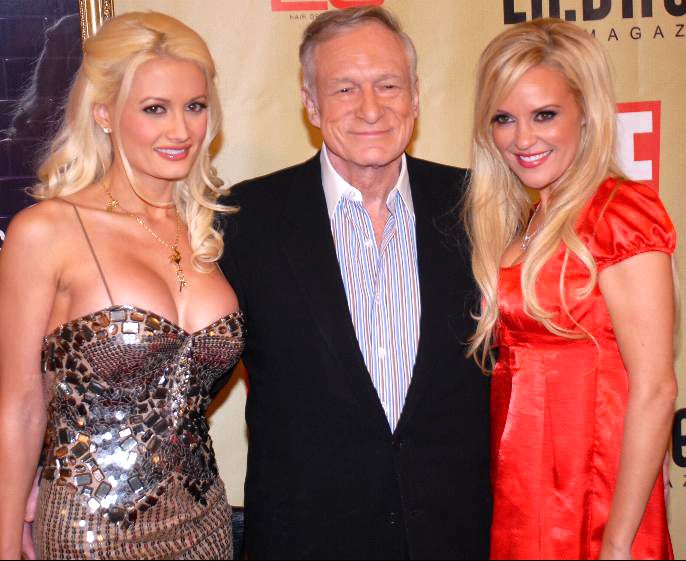
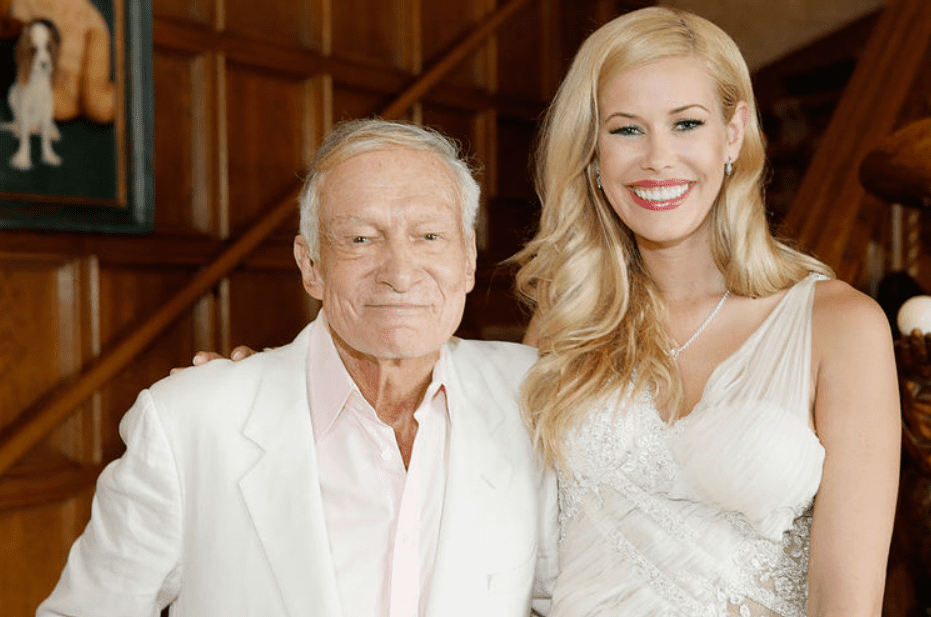
Hefner’s third and final wife was model Crystal Harris, 60 years his junior. Their relationship began in January 2009, and they were engaged in December 2010. However, the bride-to-be broke off the engagement just five days before the scheduled 2011 wedding. They later reconciled and married on December 31, 2012.
In 2024, Crystal Harris released her memoir, “Speak Only Good Things. How I Survived Playboy and Found Myself.” It’s a candid story that gives you a glimpse into the lives of Hugh Hefner’s girlfriends. It’s about the owner’s control, strict rules, and curfews. It’s also a story about the competition between women and the experience of hanging out with Hugh Hefner.
Mark Simmons, an urban studies researcher and media historian, noted:
“Hugh Hefner didn’t just create a magazine; he sold the world the idea of the ‘California Dream,’ where success was measured not only by wealth but by the level of personal freedom. His Los Angeles mansion became the physical embodiment of this utopia, forever altering the landscape of American pop culture.”
Major Cultural Impact
Hugh Hefner’s story is far more than just that of a wealthy publisher. He was a man who successfully leveraged the freedom and glamour of Los Angeles and the nation’s obsession with celebrity to transform a men’s magazine into a defining lifestyle philosophy. His publication fundamentally changed attitudes toward sex, freedom, and the masculine ideal in the 20th century. Historian and biographer Steven Watts supports this view in his book, Mr. Playboy: Hugh Hefner and the American Dream, stating that Hefner believed from the start that he could overturn entrenched U.S. social norms.
Steven Watts outlined four key cultural influences Hefner had:
- He played a crucial role in the sexual revolution, challenging traditional expectations and behaviours surrounding sex.
- He was one of the most influential proponents of the rapidly growing consumer culture, promoting images of material prosperity and the leisurely “Playboy Lifestyle.”
- He helped popular culture (through his magazines, TV shows, film, music projects, etc.) become a dominant force in the lives of many people.
- While he advocated for women’s sexual freedom and liberation from traditional restraints, feminists also viewed him as a prophet of a new kind of male dominance.
Watts also noted that the sixties were a turbulent period for Hefner, the seventies were narcissistic, the eighties were recreational, and the nineties were defined by public attention—partly thanks to the hit reality show, The Girls Next Door.
Eternity Beside Marilyn Monroe
On September 27, 2017, Hugh Hefner passed away at the age of 91 in the Playboy Mansion due to cardiac arrest and respiratory failure. He was interred at Pierce Brothers Westwood Village Memorial Park and Mortuary in Los Angeles, right next to Marilyn Monroe. Hefner had purchased the adjacent crypt back in 1992 for $75,000.
In a 2009 interview with the Los Angeles Times, he famously said:
“I’m a believer in things symbolic. Spending eternity next to Marilyn is too sweet an opportunity to pass up.”
Hefner’s phenomenon lay in his ability to remain an “eternal adolescent” within the body of a successful businessman. His choice to be buried next to Marilyn Monroe — a woman he never knew personally, yet whose photograph made him wealthy — stands as the ultimate act of self-branding.
This highlights the tragicomic loneliness of his empire: Hefner created a world where intimacy was public, and private life was merely a part of a marketing plan. His life journey serves as an illustration of how an individual can become a hostage to their own perfectly constructed image of “Playboy № 1.”
The Fate of the Playboy Empire
Since Hefner’s death, the magazine has shifted its direction. In 2019, Playboy was relaunched as a quarterly, ad-free publication. In 2020, Playboy Enterprises CEO Ben Kohn announced that the spring issue would be the last regular print edition, with content moving fully online. However, in August 2024, it was announced that the magazine would be rebooted in print in February 2025 as an annual publication. It was also noted that Playboy’s headquarters would relocate from Los Angeles to Miami Beach by September 2026, with plans to open a new Playboy Club in Miami Beach.
Life After the “Golden Cage”: Crystal Hefner’s Engagement
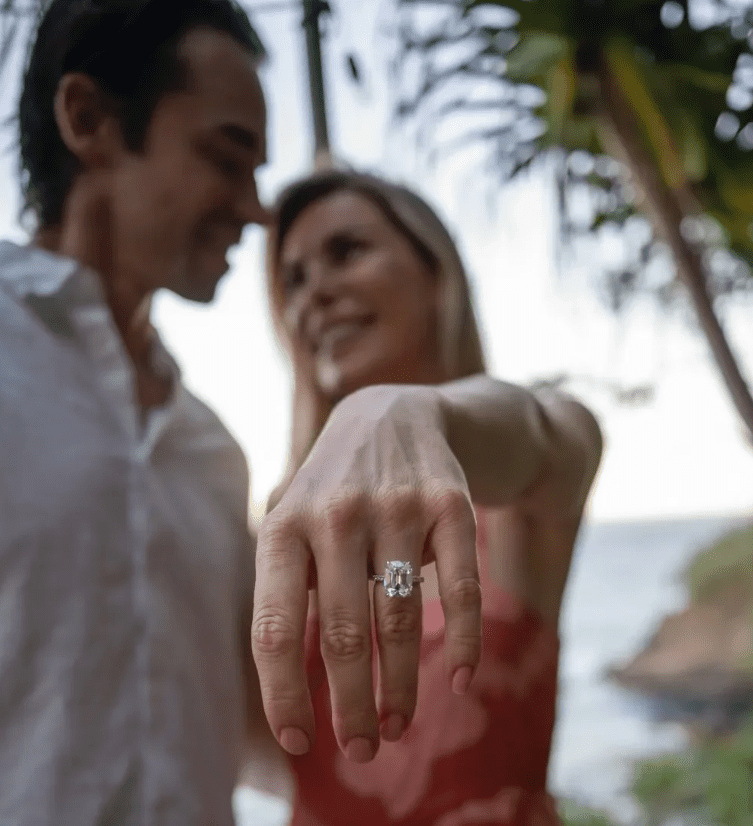
In January 2026, eight years after Hugh Hefner’s passing, his widow, Crystal Hefner, officially confirmed her engagement to James Ward. Following a year-long relationship, she is ready to walk down the aisle once again. This milestone serves as a symbolic conclusion to her long journey of healing after years spent at the Playboy Mansion.
In recent interviews, Crystal has repeatedly emphasized that she is finally experiencing true freedom—liberated from strict curfews, constant appearance checks, and the “ghosts” of her past. For the Los Angeles community, this marks the definitive end of the Hefner era: even his inner circle is now choosing a life far removed from the myth he meticulously crafted.
Sources:
- https://archive.org/details/mrplayboyhughhef0000watt_z6i8/page/n9/mode/2up
- https://web.archive.org/web/20200607074125/https://www.latimes.com/archives/la-xpm-2009-aug-14-me-marilyn14-story.html
- https://www.latimes.com/local/lanow/la-me-playboy-mansion-20170928-story
- https://www.imdb.com/name/nm0005005/
- https://www.nytimes.com/2017/09/27/obituaries/hugh-hefner-dead.html