

Charles Bukowski was an American poet, novelist and short story writer. He was known for his direct and often blunt writing style that reflected his own experiences and observations. Bukowski has often been described as a complex and controversial figure. Charles was a multifaceted individual whose personal life often reflected the themes and struggles he wrote about. He remains a controversial figure in literature. However, his influence on modern literature is undeniable. Read more on los-angeles.pro.
In addition, learn about the phenomenon of world star Angelina Jolie.
Biography
Charles Bukowski was born on August 16, 1920, in Andernach, Germany, to an American soldier and a German woman. His family immigrated to the United States in 1922. They settled in Los Angeles, where Bukowski spent most of his life. According to Bukowski’s biographers, he had a rather unpleasant, disturbing and traumatic childhood. On the one hand, his strict parents did not allow him to play with the neighborhood children. On the other hand, his father, Henry Karl Sr., regularly beat his son for no reason. Perhaps, to protect himself from the abuse of his father, Bukowski began drinking alcohol at the age of 13. This addiction remained with him throughout his life. Bukowski later suffered from a severe case of acne. Regular medical treatment scarred his face and upper body for life. Acne got worse in his first year of high school.
During this time, Bukowski’s gift for writing developed and was discovered. The little boy showed a talent for creative writing and his tales were read in class. Bukowski’s first minor literary success was a story about President Herbert Hoover’s visit to the Coliseum in Exposition Park, Los Angeles. On this occasion, Hank, as he was regularly called, was asked to give a written report. Although Bukowski was not even present at the event, he was able to pretend and recreate fictional characters and scenery.
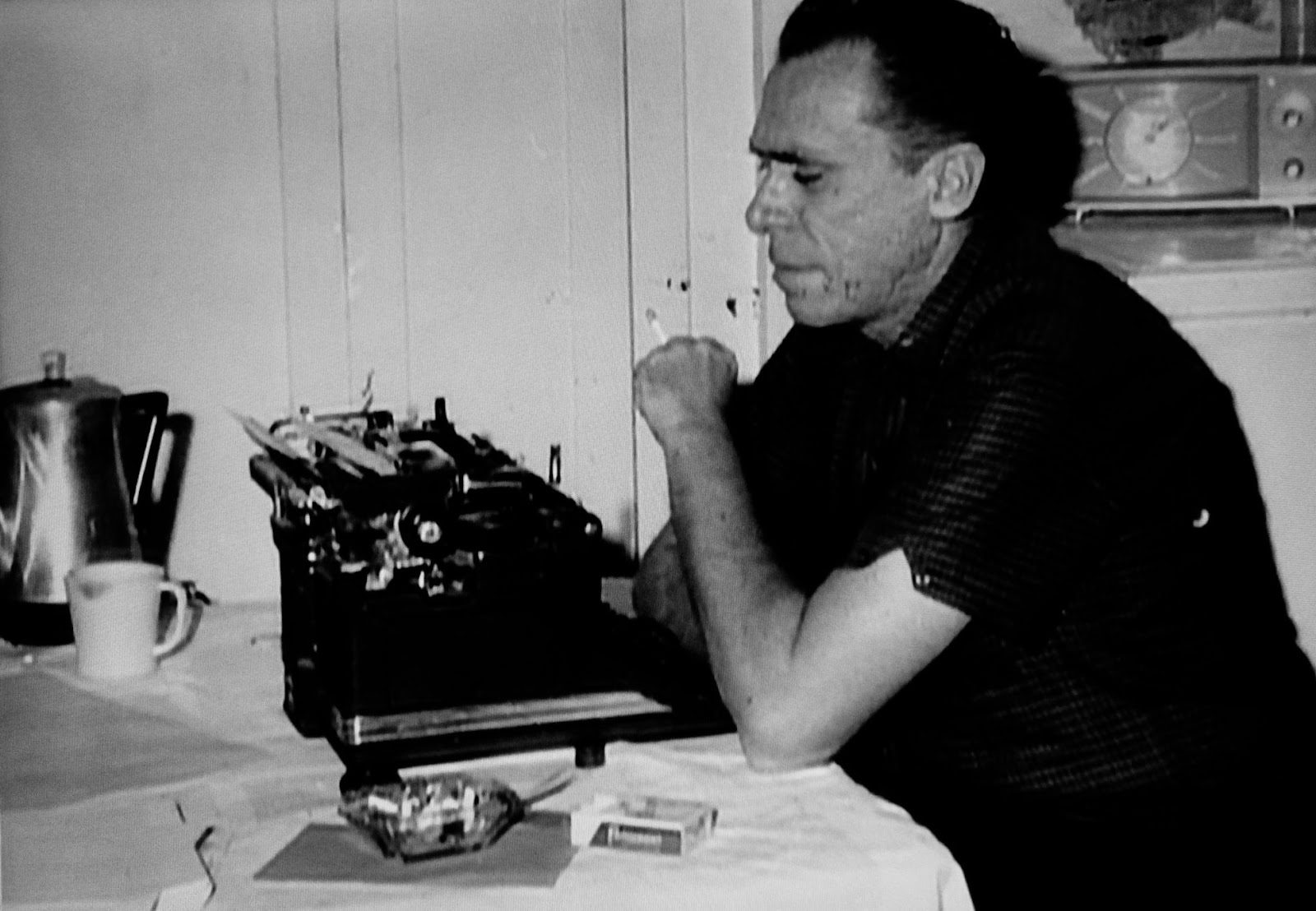
After graduating from Los Angeles High School in 1939, Bukowski attended Los Angeles City College, taking courses in journalism and literature. He left school and home in 1941 after his father threw his son’s possessions out into the street. Bukowski continued to write stories, traveled across America and worked various jobs, such as gas station operator, elevator operator, truck driver and supervisor at a dog food factory.
The years of extensive travel began in 1942 after working in the South Pacific yards. Bukowski intended to make the trip to New Orleans and had to earn money first. His duties included cleaning the wagons. When the United States entered World War II, thousands of young men were sent overseas to fight. Due to his busy life on the road, Bukowski forgot to report his new address to the authorities. Thus, FBI agents took him into custody and charged him with draft evasion. In prison, he explained that he had been traveling around the country and simply forgot to send his current address to the draft board. He was eventually let out because authorities found he had frauded the board not intentionally. However, it was decided that he should see a psychiatrist in Philadelphia. The doctor’s report freed Hank from military duty.
First publications
At that time, Bukowski tried unsuccessfully to submit works to several literary magazines. In 1944, Henry Bukowski took a job as a packer in a warehouse in St. Louis. One day, on his way home from work, he found a letter by the door of his apartment. His work was rejected by the editors of the Story. However, Whit Burnett, the magazine’s founder, informed him that another part had made it to the publication. This was the story of Aftermath of a Lengthy Rejection Slip.
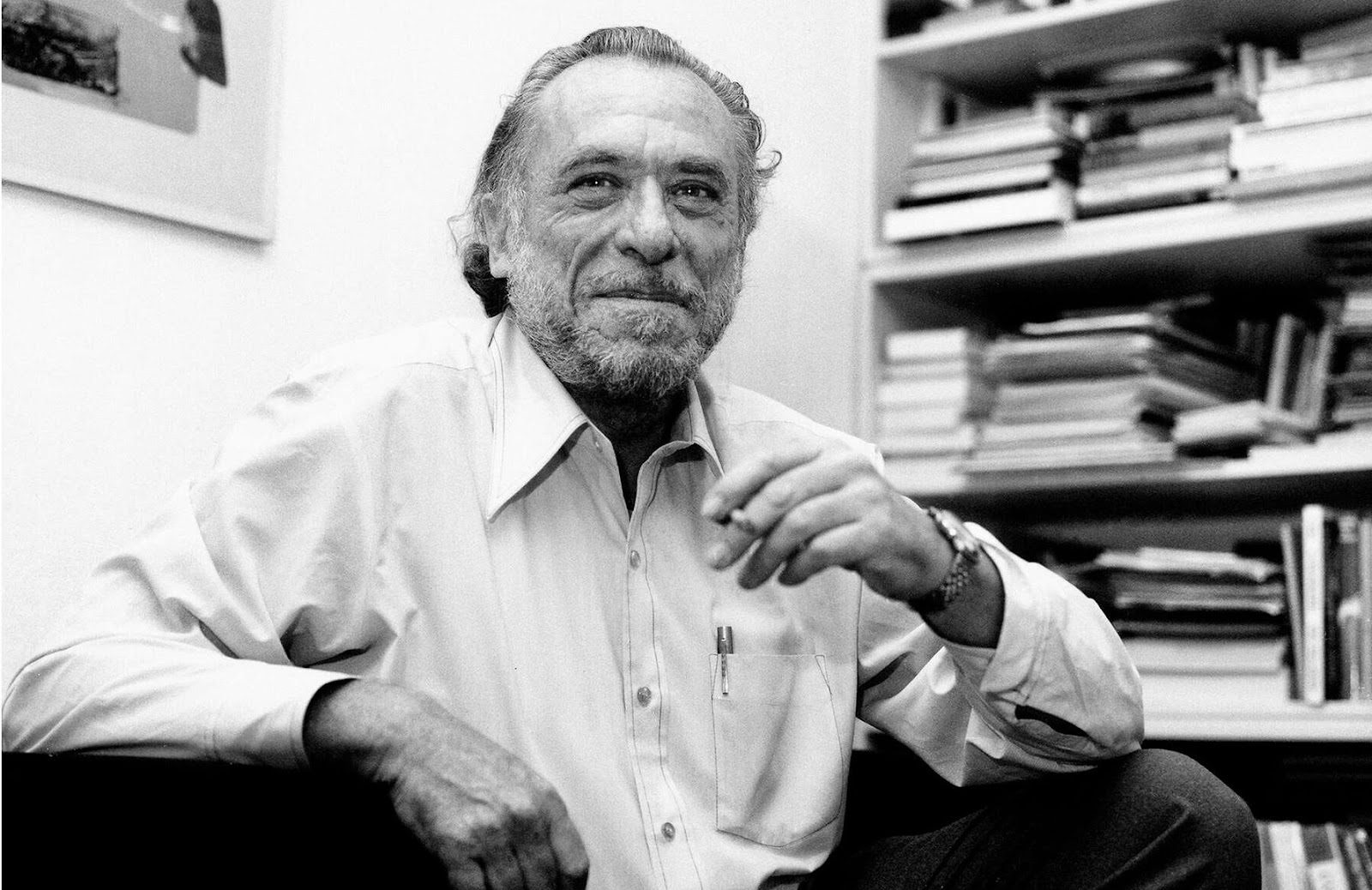
Returning to Los Angeles in 1947, Bukowski met his future girlfriend Jane Cooney Baker. Although Bukowski was twenty-seven years old at the time, Jane was probably the writer’s first serious relationship. Jane inspired Bukowski to write and became the prototype for Betty in the first novel The Post Office (1971) and Laura in the second novel Factotum (1975). The character of Wanda in Bukowski’s Barfly was also modeled after the life of Jane Cooney Baker. Jane died before Charles Bukowski became a successful writer.
The Post Office novel gives an autobiographical account of the events of this period in the author’s life. On the one hand, it conveys aspects of his private life, his relationship with Jane and their drunken lifestyle. On the other hand, the working conditions at the post office, from which he suffered seriously, are the main theme of this novel.
Career development
Despite the traumatic and devastating event in Bukowski’s private life, his professional career as a poet and novelist flourished at the time. The goal of becoming a successful writer, which Bukowski always aspired to, seems to have become more attainable than ever before. Although Bukowski’s success gradually grew, his readership included only a very small circle of literary people and admirers. The magazines in which he was published, as well as his poetry books, almost never exceeded the circulation of three to four hundred books. Not being associated with the so-called Beat Generation proved inherently difficult for Bukowski. It seemed a daunting task to gain recognition as an independent poet.
The editor of The Outsider cherished Bukowski’s poetry and firmly believed in the quality of his work. Charles Bukowski’s album was the centerpiece of the first issue of The Outsider. The portfolio included some of Bukowski’s finest poems and highlighted Webb’s conscientious and professional approach to selecting only the finest poems.
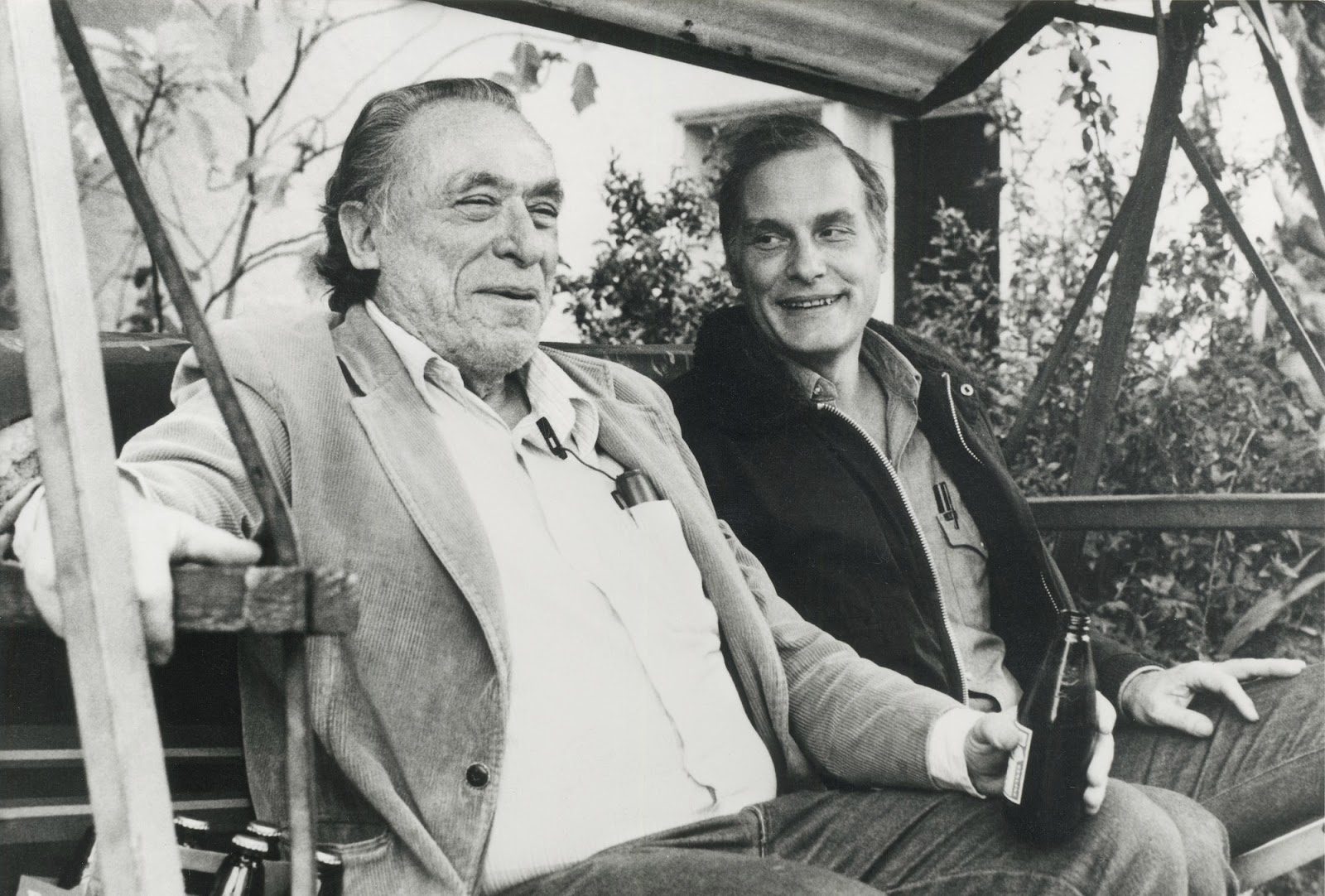
After a brief marriage to Barbara Fry, a wealthy publisher of a small poetry magazine, Bukowski took a job as a postal clerk in 1958. He held this position for the next twelve years.
Bukowski also began writing poetry in 1955, publishing volumes almost every year. His first collection Flower, Fist, and Bestial Wail appeared in 1959. The circulation was 200 copies.
The first volume of Bukowski’s prose All the Assholes in the World and Mine was published seven years later. Until 1963, when Bukowski published It Catches My Heart in Its Hands, a collection of poems about alcoholics, hookers, gamblers and other addicts, his column Notes of a Dirty Old Man appeared regularly in Open City and Los Angeles Free Press. They were later collected in a book with the same name. In 1970, Bukowski quit his job at the Postal Service when John Martin of Black Sparrow Press offered him a $100 monthly stipend to continue writing.
Long journey to success
For a long time, Bukowski remained a literary outsider who published his works in small print runs, primarily on the West Coast. His stories were realistic and comical. In 1973, Bukowski gained a wider audience by airing an award-winning television documentary directed by Taylor Hackford. He also began a career in the film industry. The 1983 film Tales of Ordinary Madness directed by Marco Ferreri was based on the author’s stories. The script for the film Barfly (1987) was written by Bukowski himself.
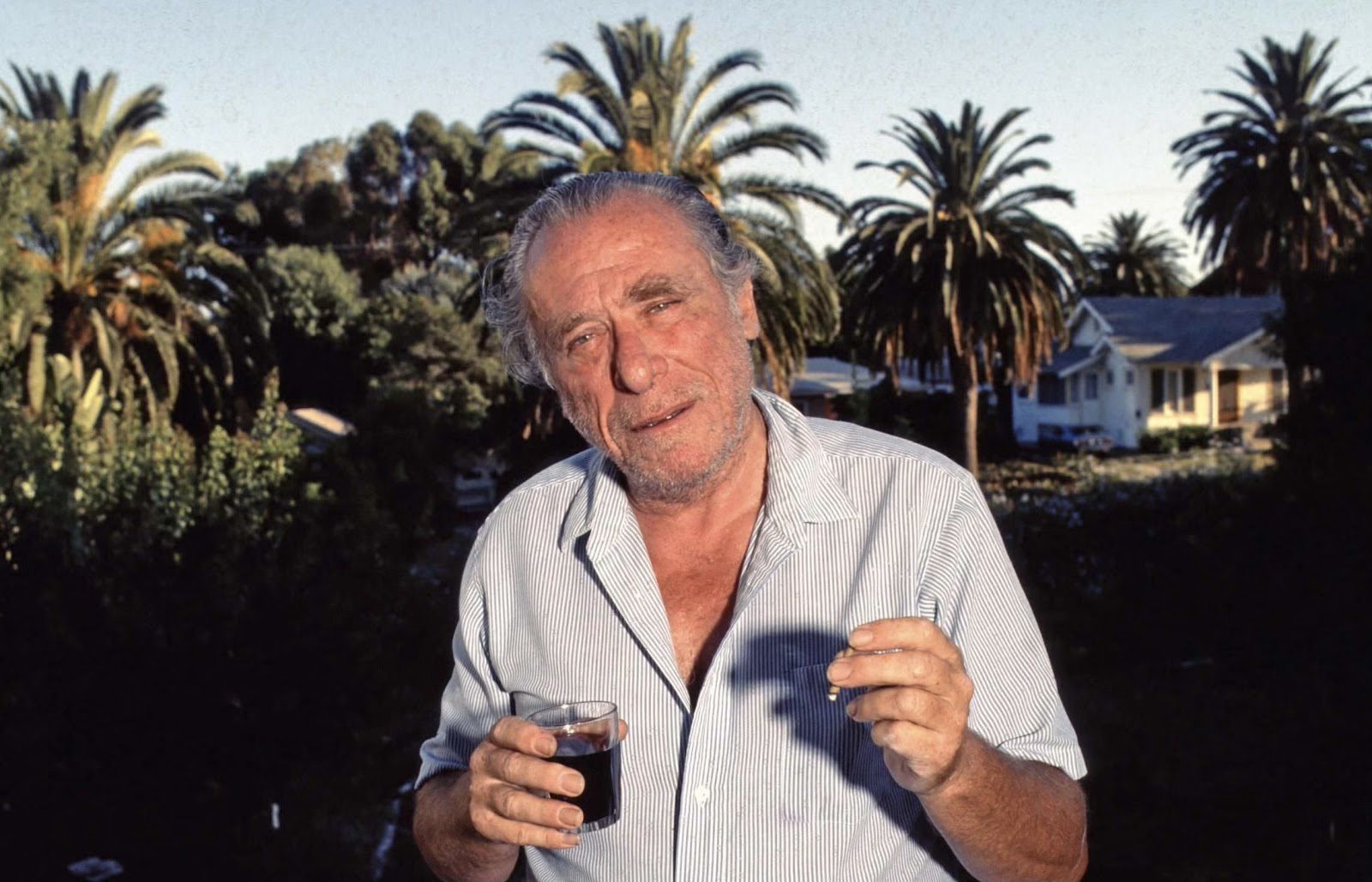
In 1985, Bukowski married Linda Lee Beighle, who was twenty-five years his junior. He had one daughter, Marina Louise, who was born in 1965. In his later years, success finally caught up with the author. He lived in a house with a swimming pool, drove a black BMW, type on a computer and enjoyed his favorite recordings of Sibelius, Mahler and Rossini on a new stereo system. Charles Bukowski died at the age of 73 on March 9, 1994 in a hospital in San Pedro, California.