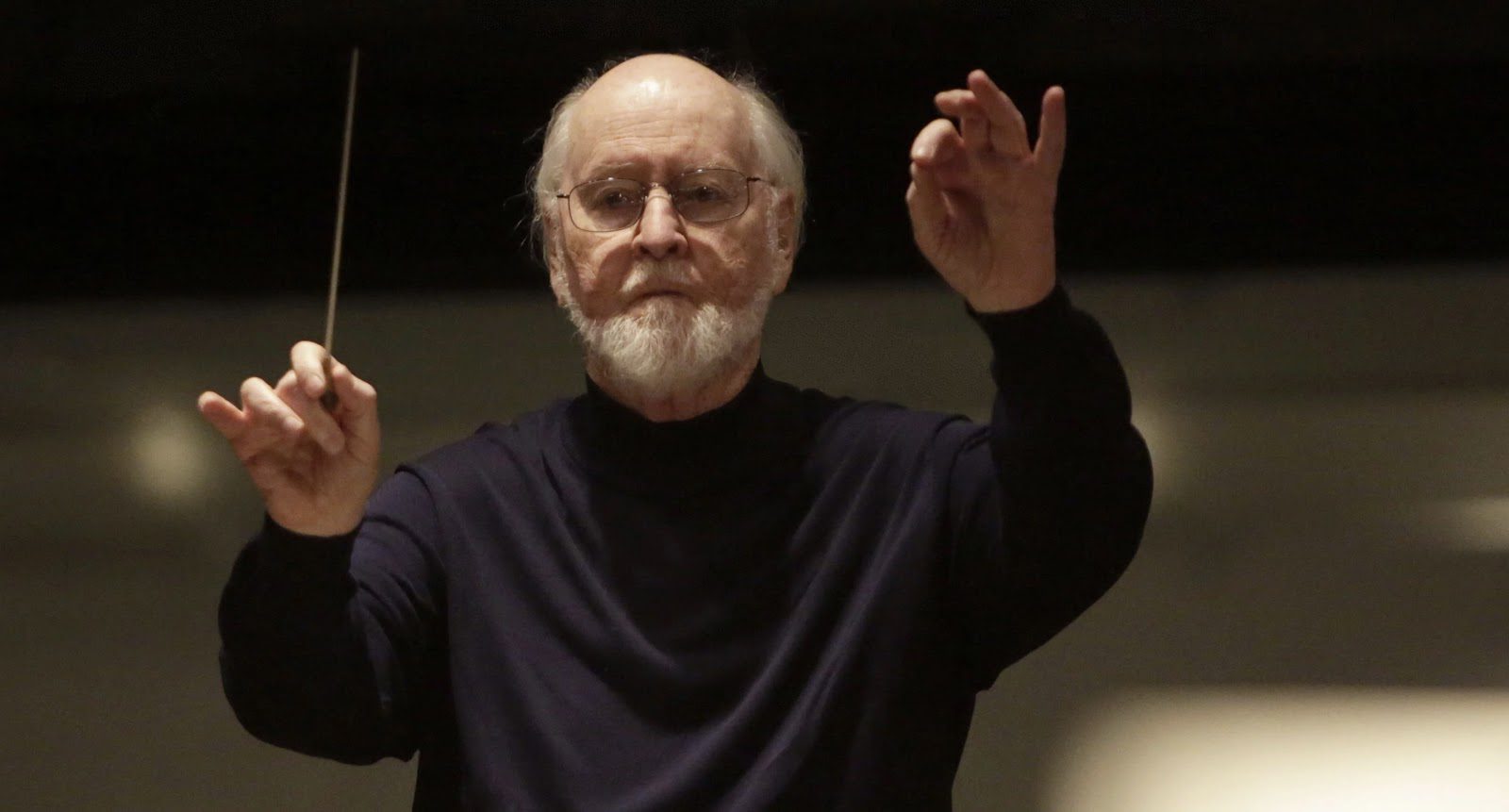
No one has shaped the way we hear movies more than John Williams. It is hard to overestimate his influence on music. Williams has more than 50 nominations for the Academy Award, which is the second result. More nominations and received Awards had only Walt Disney. Williams’ career witnessed life changes in cinematography and music. The fifth part in the ranking of the 100 best films of all time at the North American box office is related to John Williams. Read more on los-angeles.pro.
Williams also created music for the Olympics, TV series and concerts. During his career, he received the Academy Award 5 times. He also has 54 nominations, making him the most nominated composer in human history. Learn more about the success story of musician Adam Levine.
Biography
John Williams was born in Floral Park, New York, on February 8, 1932, to John and Esther Towner Williams. He was the oldest of four children. He enrolled at the Juilliard School to learn to play the piano.
The success of this musical genius could have been very easily predicted at an early age. Young John Williams was not so much oriented towards the world of Mozart and Beethoven as Nat King Cole and Art Tatum. Williams was born into a jazz-loving family. His father was a drummer who played with Raymond Scott. For a while, it seemed that Williams might enter the jazz world as a member of the US Air Force Band in the 1950s and as pianist-leader of Johnny Williams’ big band.
Williams began studying music composition while attending college at UCLA with Mario Castelnuovo-Tedesco. His musical career took off immediately after attending UCLA. He was drafted into the US Air Force in 1952. Here, he conducted and arranged music for the band until his service ended in 1955.
Musical career
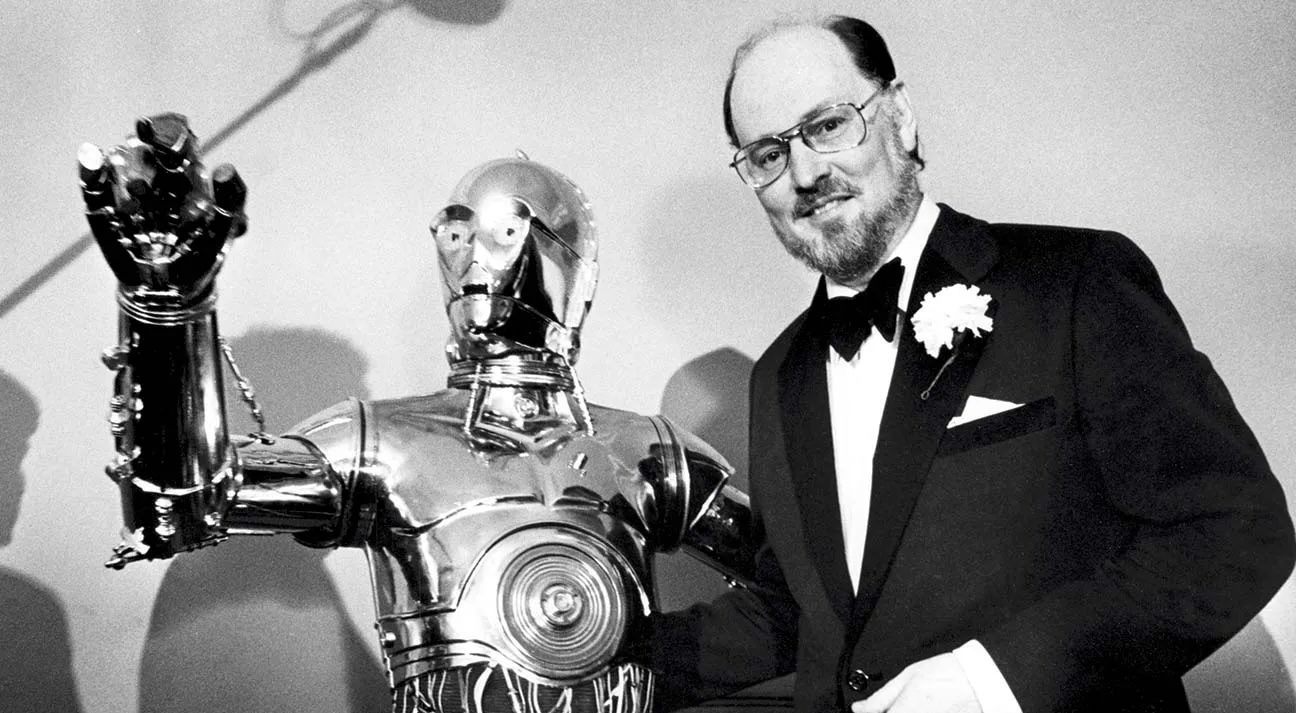
However, after he learned to play the piano, he decided that he could write his own music better than play someone else’s. John moved to Los Angeles to play in an orchestra and become a session musician for film studios. He studied under such composers as Henry Mancini and Elmer Bernstein. His piano playing can be heard in the 1960 film adaptation of West Side Story. During this time, he also wrote music for television studios. His work on Gilligan’s Island and Lost in Space proved to be an invaluable experience.
After graduating from school, he decided to play the piano in film studio orchestras. His first recordings included the soundtracks for the film South Pacific and the television series Gilligan’s Island. However, the idea of playing other people’s music for TV shows and movies did not interest him. He wanted to create his own music and got the chance to make his dream come true. He was asked to write the theme song for the series Lost in Space.
Immediately after his first soundtracks were written, John Williams was recognized as a talented composer. He returned to Los Angeles, where he began his career in the film industry, working with composers such as Bernard Herrmann, Alfred Newman and Franz Waxman. He continued to write music for many television programs in the 1960s, winning two Emmy Awards. Winning such an award so soon after starting his career in the film industry was impressive and demonstrated his talent. However, these two awards were not what Williams saw as a career boost.
Cooperation with Spielberg
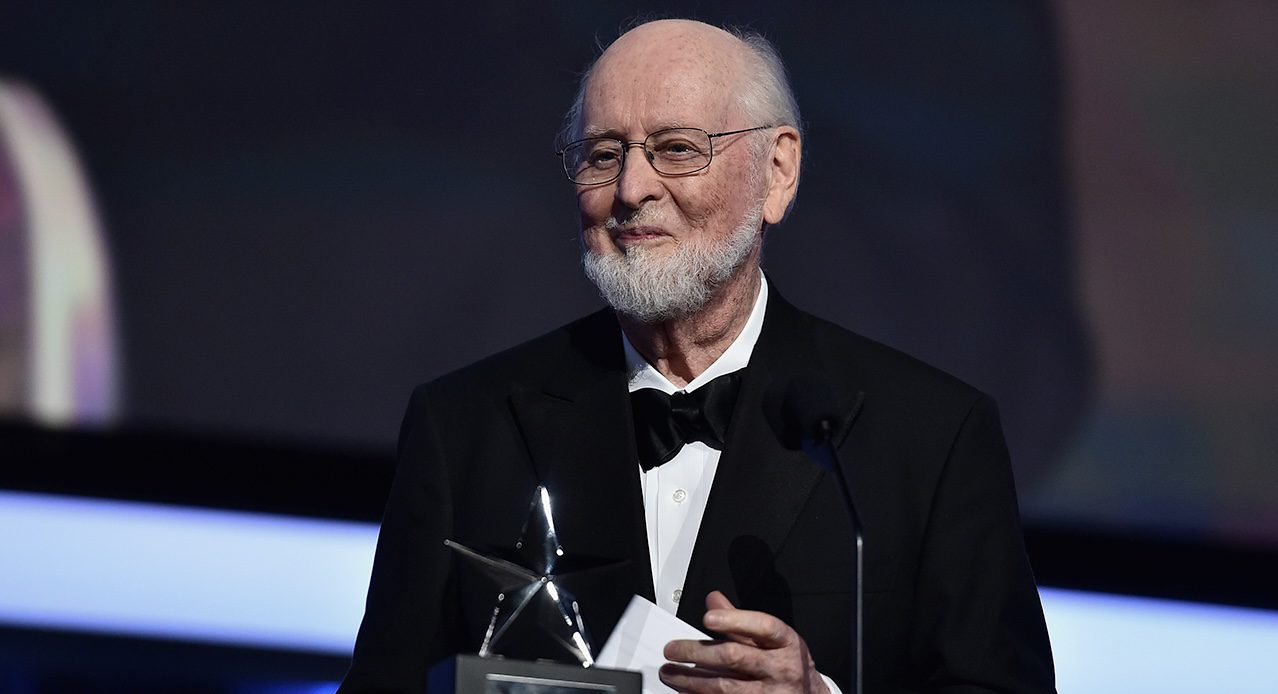
His next chance for success came when film director Steven Spielberg invited him to write music for his films. Their first very successful film was Jaws. For this film, John Williams wrote the most famous singles. When John Williams first played the music for Spielberg, he thought the composer was joking. However, the composer believed that his vision would be perfect. He was right. The music brought him a second Academy Award.
Working with Steven Spielberg, John Williams composed some of the greatest soundtracks ever written for movies, including Raiders of the Lost Ark, Jurassic Park, E.T., Superman, Harry Potter and Star Wars, which was chosen by the American Motion Picture Institute as the best soundtrack of all time.
In the history of sound film, there have been several occasions when a director and composer have formed a long-standing partnership that resulted in a series of classic scores, creating music that has stood the test of time. Alfred Hitchcock and Bernard Herrmann or Federico Fellini and Nino Rota are often cited by film historians. Others might name Sergio Leone and Ennio Morricone or Blake Edwards and Henry Mancini. However, none of them was as long or as fruitful as the collaboration between Steven Spielberg and John Williams. None of them covered such a wide range of subjects or had such an enormous impact on global popular culture. The composer was recognized with even greater awards, such as the award from the Kennedy Center Honors in 2004, the National Medal of Arts in 2009 and the American Film Institute Life Achievement Award in 2016. Spielberg was always there to cheer on his friend and colleague.
John Williams won 5 Academy Awards and received 52 Academy Award nominations. He is the second most nominated person after Walt Disney. Soon after the movie Jaws, Williams’ career took off. The soundtracks for some of the most popular film series in America were created by him. The music he composed for Star Wars and Indiana Jones in the 1970s and 1980s are two very lively and enjoyable soundtracks. These two movie soundtrack theme songs are quite similar. The brass section of the orchestra has a part in both songs. The musical score for these two soundtracks conveys a sense of triumph and exhilaration.
One of the interesting aspects of Williams’ career is how the soundtracks he composed changed. The ominous theme of Jaws is dissonant compared to the energetic theme of Star Wars. Hedwig’s Theme has a more mystical feel. Thus, one can see the diversity of John Williams’ musical creations. The two soundtracks are very different in their dynamic structure and tempo. The theme from Jaws begins very slowly and quietly. Then, the tempo quickens and the music goes to the climax of the piece. The Star Wars theme is just the opposite. The song is anticlimactic. The loudest and fastest part of the song is the beginning. Eventually, the music slows down. Critics say that Williams’ compositions have a great variety of styles.
Not only a composer but also a conductor
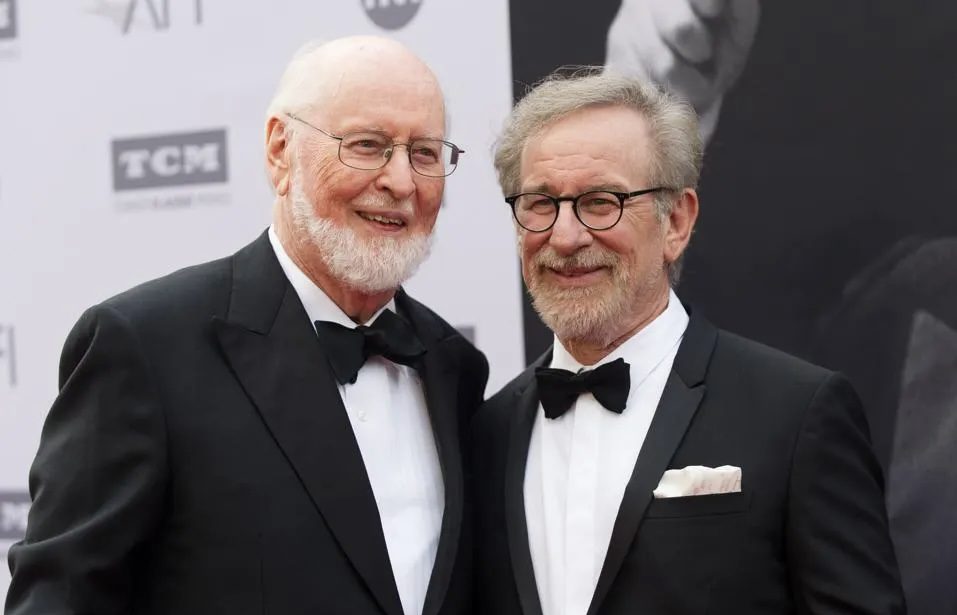
In addition to writing compositions, Williams’ musical career had another important direction of development. He was a talented conductor. In the 1980s, Williams was named the nineteenth conductor of the Boston Pops Orchestra. The fact that Williams was the composer of such a prestigious orchestra in addition to his composing activities demonstrates his dedication to the art.
In addition to the Boston Pops Orchestra, Williams has been guest conductor of many major orchestras, including the London Symphony Orchestra, the Cleveland Orchestra and the Los Angeles Philharmonic.
Williams has many great and unique achievements in life. In 2004, he commanded the Star Spangled Banner at the Rose Bowl and was the Grand Marshal of the Rose Parade. He was also the first inductee into the Hollywood Bowl Hall of Fame on June 23, 2000.