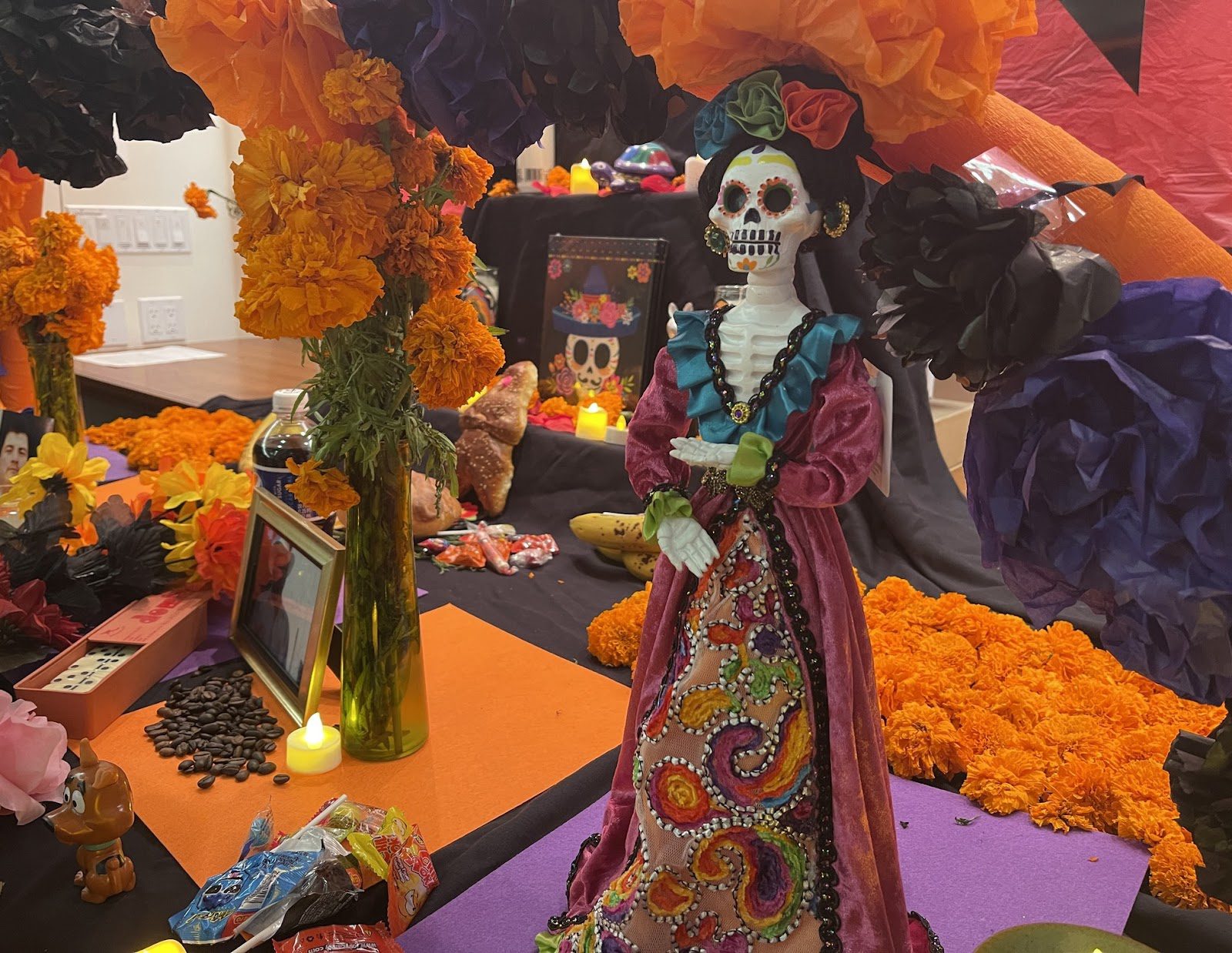

Every year, Los Angeles transforms into the epicenter of the traditional Mexican holiday, Dia de los Muertos, or Day of the Dead. This colorful and deeply symbolic celebration honors the memory of the deceased by celebrating life through music, dance, art, and culture. Numerous events take place across the city, but the most famous is the Dia de los Muertos Festival, held at the iconic Hollywood Forever Cemetery. This festival unites people of various cultures and traditions and serves as a vital reminder of the importance of preserving historical heritage. The Latin American tradition is growing increasingly popular due to its colorful and elaborately decorated ofrendas, or offerings to loved ones. You can also learn about the history of the “Nisei Week” festival. Read more at los-angeles.pro.
The History of the Festival
Dia de los Muertos is an ancient Mexican tradition that dates back to the Aztec times. Observed in November, it symbolizes the connection between the living and the dead. The central idea of the holiday is not to mourn those who have passed away, but to rejoice in their lives. According to tradition, the dead return to Earth to visit their living relatives. Offerings and altars are created to welcome and honor the memory of the deceased. A great number of candles are lit to scatter the darkness, just as souls are illuminated from the shadows of death. The Dia de los Muertos Festival at Hollywood Forever Cemetery was created to provide an authentic venue where this ancient tradition could be truly observed and celebrated. Hollywood Forever is dedicated to providing a memorable event and ensuring a historically authentic cultural atmosphere for this observance.
The main symbols of the festival include:
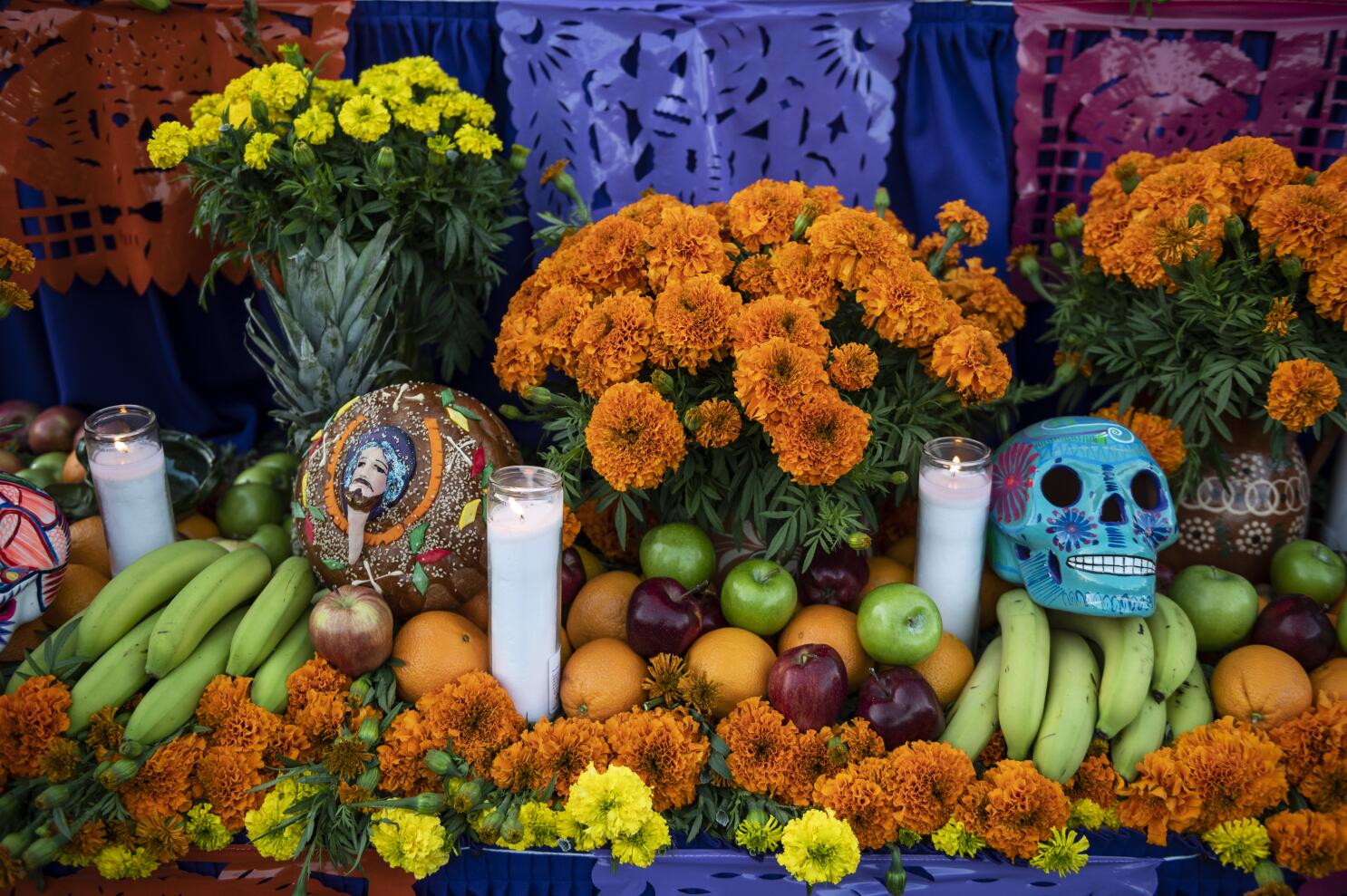
- Ofrendas: These are altars decorated with photographs, candles, flowers, and the deceased’s favorite possessions.
- Marigold Flowers: Bright orange Mexican marigolds, which symbolize the light that helps spirits find their way home.
- Sugar Skulls (Calaveras): Colorful skulls made of sugar or chocolate, which embody the joyful spirit of life.
- Catrina Makeup: The famous painted skull image, symbolizing the elegance of death.
School Celebrations
In order to honor the contributions of Mexican Americans to the rich cultural development of the United States, many schools include the observance of Dia de los Muertos in their curriculum. Some individuals have argued that schools should not teach students the history of this day because it is a religious holiday, the celebration of which is prohibited by the separation of church and state under the First Amendment. These challenges have perplexed many teachers who work hard to make school a comfortable place for students of all cultures. Students at Santa Monica High School and Fairfax High School create altars that honor the memories of ancestors, family members, and friends. The ofrendas are accompanied by live performances, including student mariachi music and traditional dances.
How Los Angeles Celebrates
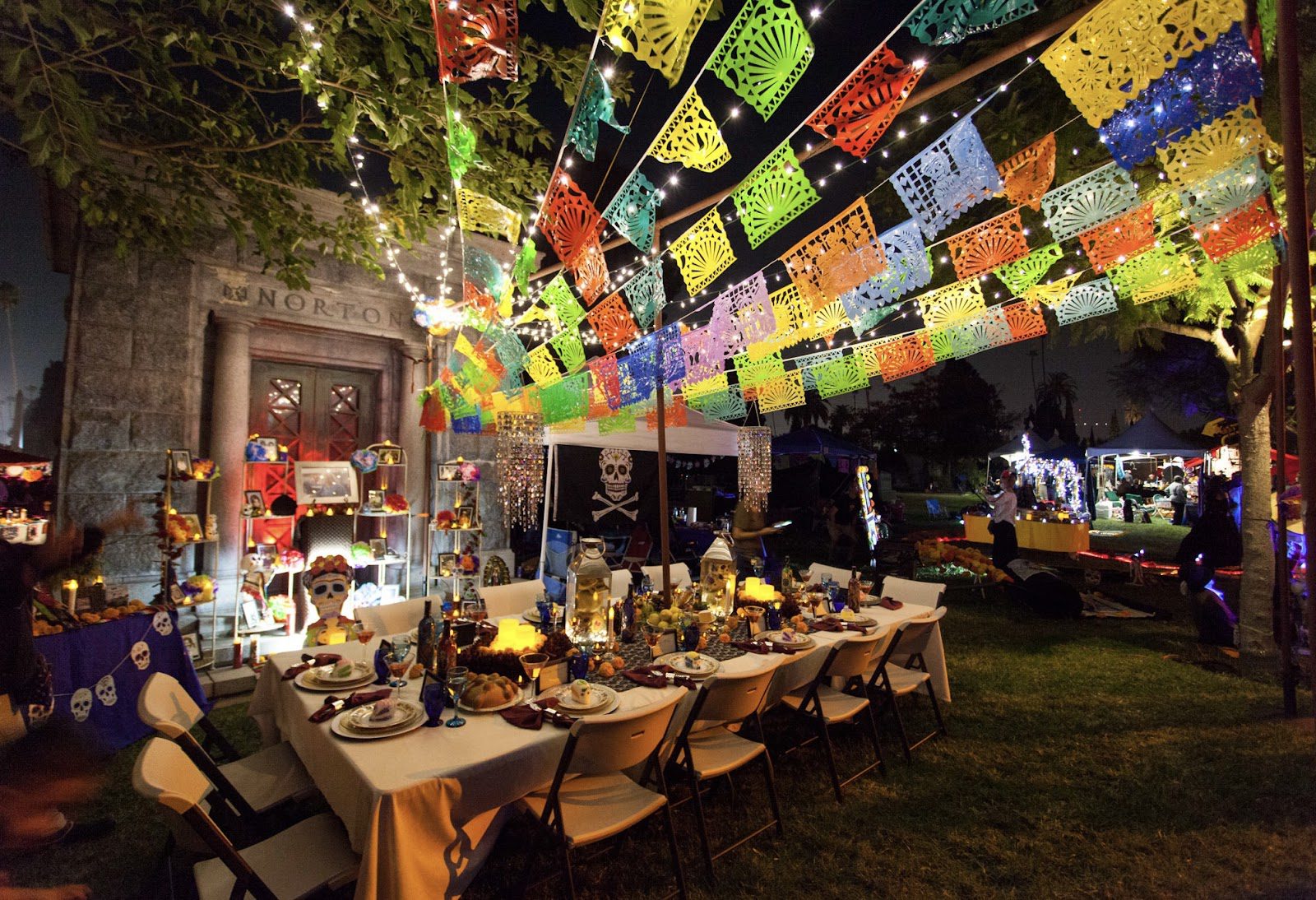
Los Angeles is a city with a large Mexican community, so Dia de los Muertos is celebrated here on a grand scale. The largest festival takes place at the historic Hollywood Forever Cemetery, the resting place of hundreds of legendary Hollywood stars and iconic musicians. Every year, the landmark cemetery hosts the largest Dia de los Muertos celebration outside of Mexico, featuring over 100 altars, live music, DJs, and dancers.
The Day of the Dead celebration usually begins with the construction of an arch. Colorful altars are erected on the cemetery grounds. They are dedicated to relatives, friends, and even famous personalities. The colors used on the altar have specific meanings. Skulls symbolize death and rebirth, special bread represents the souls of the deceased, incense symbolizes the shift from the physical to the spiritual, and salt and water represent eternal life. Candles embody light, faith, and hope. Fresh flowers, especially marigolds, represent the impermanence of life.
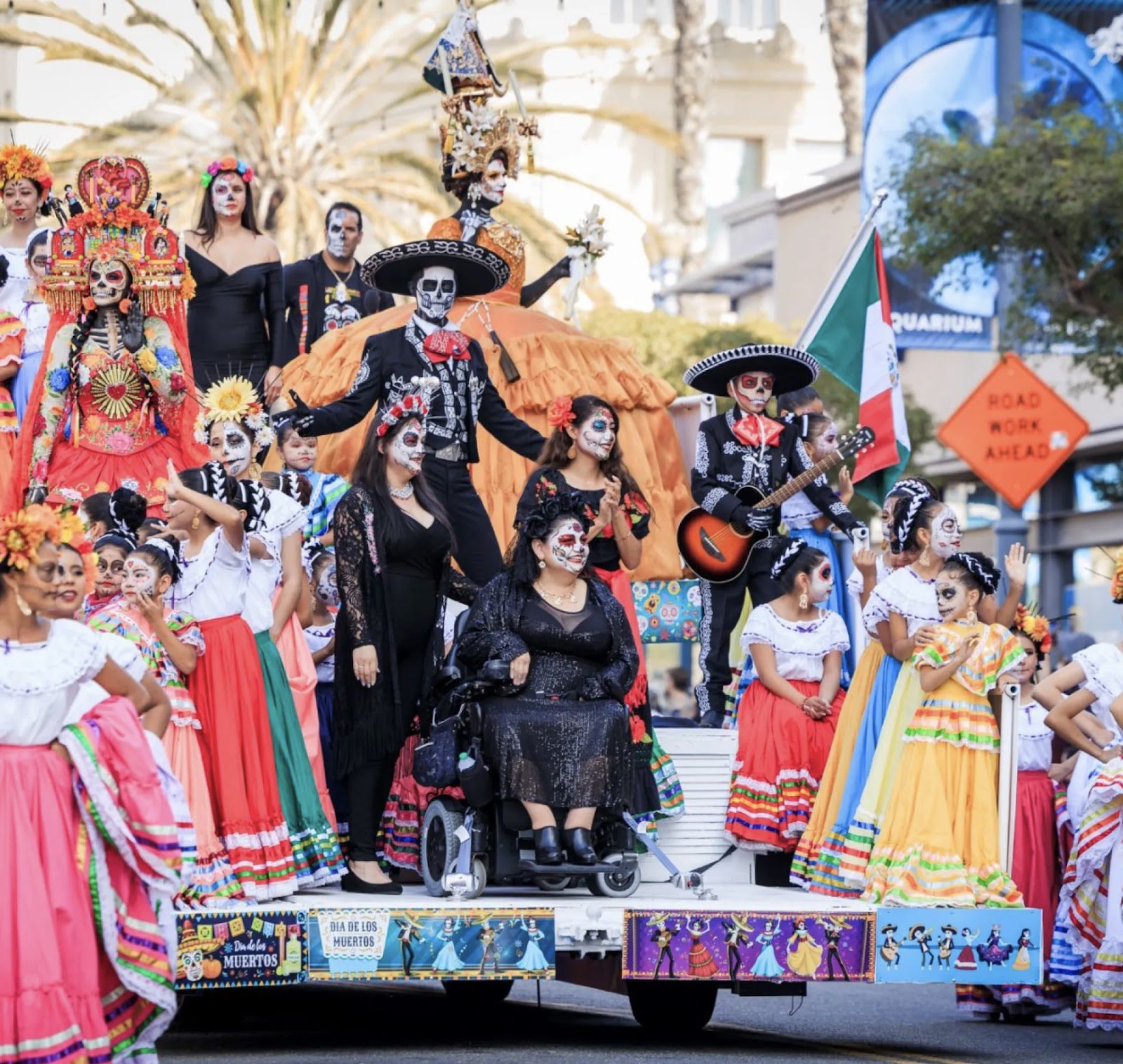
There is also a parade in the style of the Dia de los Muertos festival. Participants wear traditional costumes, paint their faces like skulls, and march in a ceremonial procession to the sounds of Mexican mariachi music. The festival features performances by popular Latin American artists, mariachi bands, and spirited dance shows. Guests can sample pan de muerto (sweet bread of the dead), tamales, tacos, and other authentic dishes. The festival displays calaveras, which once symbolized death and rebirth for ancient peoples. Calaveras are often made from sugar or clay. People also wear wooden skull masks called calacas and dance in honor of their deceased relatives. On the festival grounds, artists create large-scale installations, and visitors can have traditional “Catrina” makeup applied. At the end of the day, judges select the best-dressed calaca and the most memorable altars.
The Dia de los Muertos Festival in Los Angeles is not only a colorful carnival but also a way to preserve and pass on Mexican culture to new generations. It is a reminder of the importance of memory, family ties, and the joy of life. The holiday is becoming increasingly popular among representatives of other nationalities, as it carries a universal message: honor the past, value the present, and look to the future with hope.