

John Fante is a kind of symbol of Italian-American literature. His style was deceptively simple and wonderfully fluid. His novels and short stories highlight the topics of all ethnic writing in the United States and the American experience in general, such as identity, loyalty, family, independence and self-expression. Read more on los-angeles.pro.
Some critics believe that to know John Fante’s literature, one must know him as a person, his family and his life story. Others say that to know his literature is to know John Fante. In addition, find out what thorny path to success the actress Jennifer Aniston had.
Biography
Fante was born in Denver, Colorado to a first-generation Italian-American mother and an Italian immigrant father in 1909. His mother, Mary, was a first-generation Italian-American who grew up in Chicago’s Italian community. His father, Nick, was a drunkard, drug addict and abuser. Fante spent most of his childhood in Boulder, Colorado. He attended Regis High School and College. This educational institution was run by the Jesuits. After graduating from it, Fante enrolled at the University of Colorado in the fall of 1927. However, he was only able to stay enrolled until March 1929. In 1928 or 1929, Fante’s father left the family and ran away with another woman. Shortly thereafter, Fante dropped out and hitchhiked west to Wilmington, California. This first sense of independence was short-lived. His mother and two younger children joined Fante a few months later.
In Wilmington, Fante worked various jobs to earn a living and support his family until his parents reconciled. This happened roughly a year later. Then, Fante was finally free to begin the next stage of his life.
First success
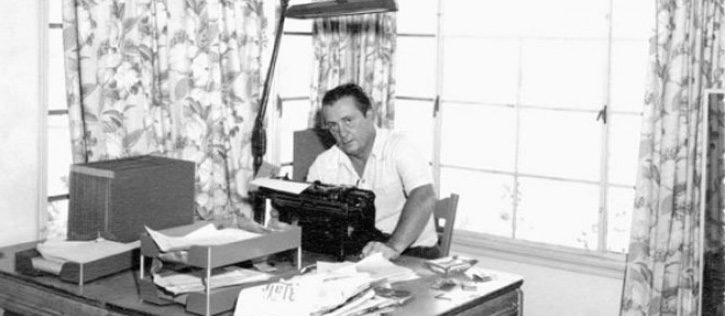
Despite the Depression, the 1930s were amazing years for Fante. Although he began the decade poor, unknown and reluctant to publish, he was known as the author of fifteen published short stories, two novels and one screenplay by its end. If he was not rich, he was at least no longer poor and he was successful.
Fante was only twenty-three years old when his first published story, Altar Boy, appeared in the August 1932 issue of The American Mercury. In the early 1930s, Fante was young and naive, but he was also ambitious. In 1930, he began writing to H.L. Mencken, one of America’s most influential writers and editor of The American Mercury. Fante sent him his early stories and imparted his youthful optimism.
After his early success, Fante’s publications were few. Full of Life was the first book that appeared after the collection of short stories in 1940. It was published in 1953. Although this book was Fante’s biggest commercial success and managed to raise a lot of money, it is not considered an artistic success and had little effect on the development of the novelist’s career. It took twenty-four years for Fante’s next book, The Brotherhood of the Grape, to appear. By the time this novel was published in 1977, Fante’s earlier success was a distant memory. He made a good living writing screenplays in Hollywood and abroad. However, his books were either out of print or unpublished. The publication of The Brotherhood of the Grape helped spark a renewed interest in Fante and marked the beginning of what can be described as his second career stage.
Fante’s greatest success came only after his death. In 1977, The Brotherhood of the Grape caught the attention of Robert Towne, who learned about Fante while researching 1930s Los Angeles for the film Chinatown. Towne presented the book to Francis Ford Coppola, who became interested in producing a film version of the work. Unfortunately for Fante, this project, like many others in the past, never came to fruition. After this false start, Fante’s career finally got a boost in 1978. Bukowski’s reference to Fante caught the attention of publisher John Martin. After reading a photocopy of the Los Angeles Public Library edition of Ask the Dust, Martin quickly initiated Fante’s involvement with Black Sparrow Press. After years out of print and languishing in obscurity, Ask the Dust was republished in 1980.
With these publications, Fante began to gain international recognition. His works were published in many languages and became popular in France and Germany. Along with this rapid publication, a number of articles on Fante’s life and work appeared in the 1980s. However, despite this attention and rapidly growing popular readership, Fante was largely ignored by the Academy. With very few exceptions, most of what was written before and during the 1980s was limited to newspaper and magazine reviews, author profiles and articles dealing with the phenomenon of Fante’s popular rediscovery.
Fante’s place in American literature
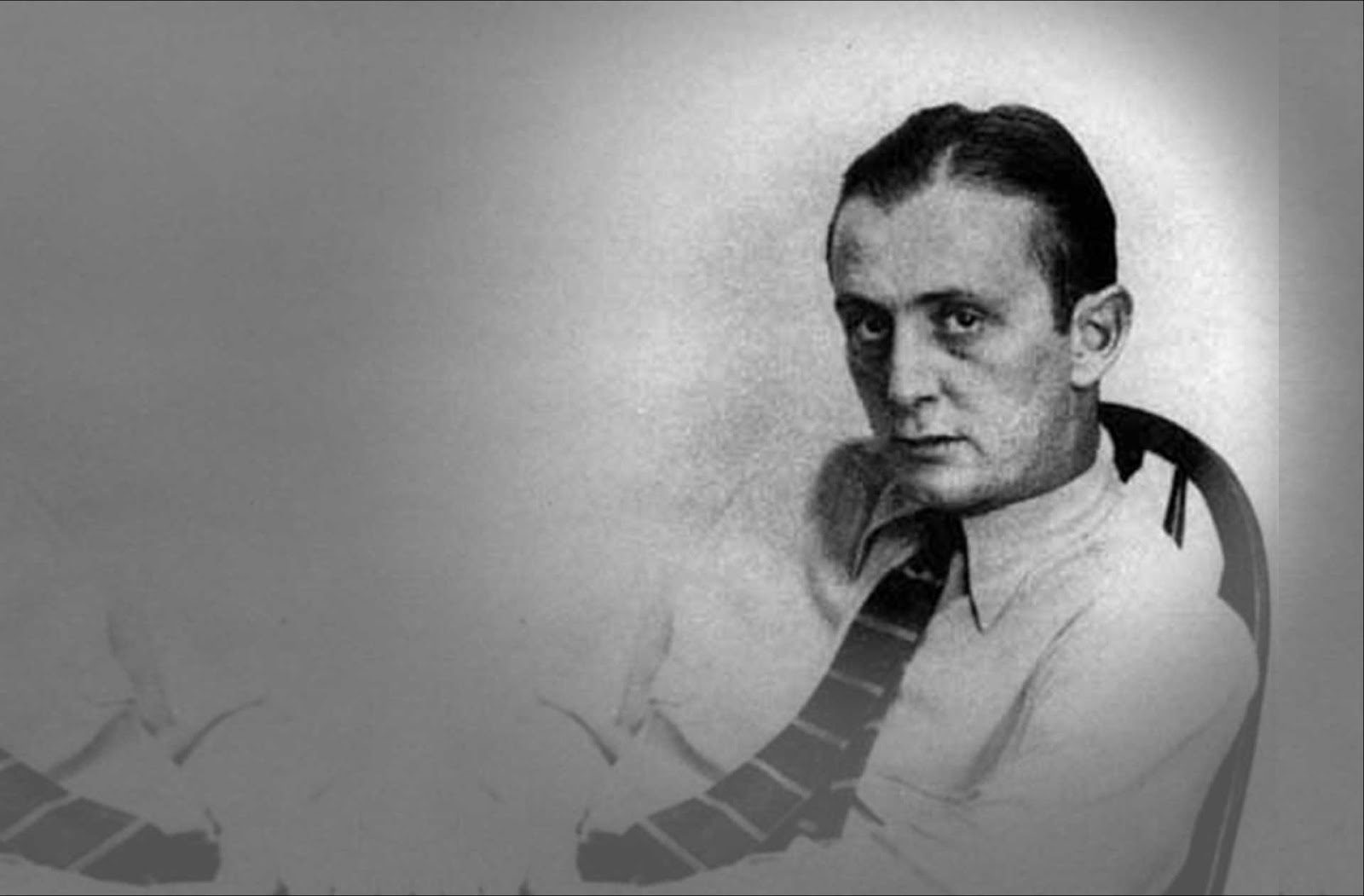
Only since the 1990s, after the peak of the canonical debate, critics have finally begun to acknowledge that Fante has a place in American literature. Even in the 21st century, critical opinion differs as to what that place is. Thus, critics George Guida, Stefano Luconi, Donald Weber and Fred L. Gardaphe tended to characterize Fante primarily as an ethnic or Italian-American writer. Jay Martin, on the other hand, described Fante as a great meditative writer and a second-generation modernist.
Others believe that in the context of 1930s Los Angeles life, sports and literature, it is difficult to determine Fante’s place in American literature. After all, he covered many different genres and styles.
Understanding Fante is particularly subject to the politics and agendas of editors and publishers because much of Fante’s work was published posthumously. Thus, the final form of much of his work was necessarily shaped by someone other than Fante himself.
Writer’s books
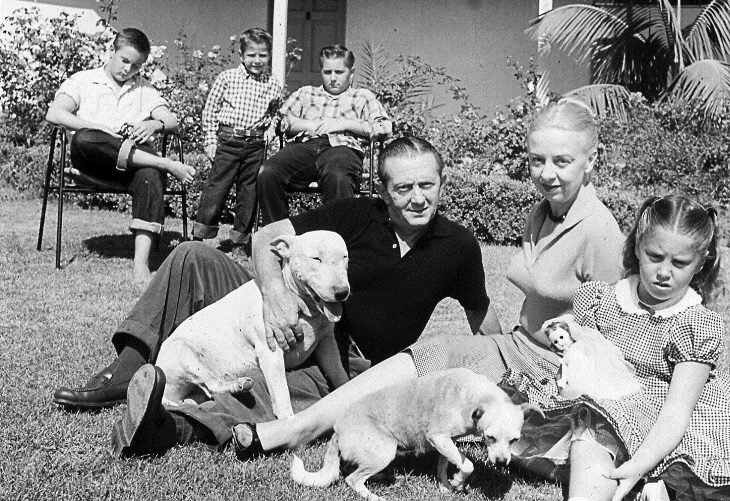
In Ask the Dust (1939), Fante places the protagonist Arturo Bandini in an atmosphere of Los Angeles, which he portrays as alternately moribund and attractive. There, Midwestern and ethnic minority immigrants pursue the California dream of prosperity and success. This book became a seminal work of Los Angeles. Culturally and morally barren, morbid and bleak, the book’s Los Angeles is Fante’s Wasteland or Southern California’s version of the Valley of Ashes. The way he shows readers an ethnically diverse environment through the eyes of his Italian-American protagonist makes Fante’s recreation of the city unique.
The hero of this novel appeared in four novels: Wait Until Spring, Bandini (1938), The Road to Los Angeles (chronologically, this is the first novel that Fante wrote, but it was not published until 1985), Ask the Dust (1939) and Dreams from Bunker Hill (1982), which was dictated to his wife at the end of the writer’s life. Bandini’s use of his alter ego can be compared to Charles Bukowski’s character Henry Chinaski. Bukowski was strongly influenced by John Fante.
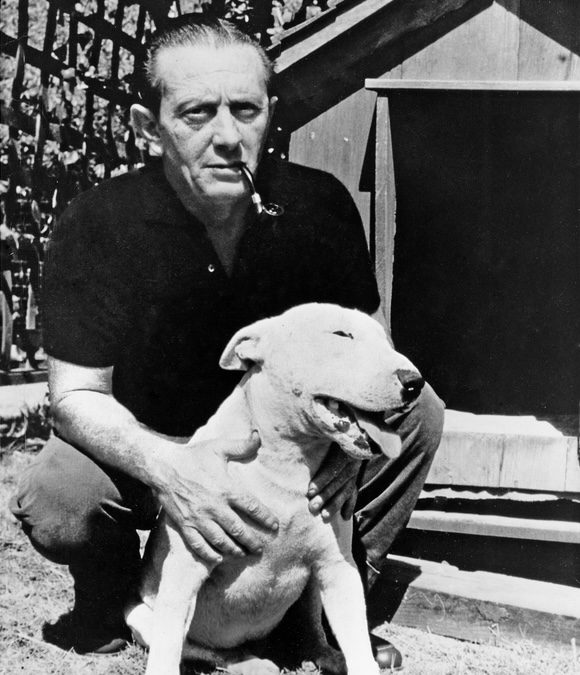
Fante repeatedly explored and found a memorable expression in the father-son relationship at the center of his novel The Brotherhood of the Grape (1977). Although Fante suffered from the devastating effects of diabetes in his last years, he found reason to rejoice in his reappearance in the press after a long absence. He has achieved cult status, especially in France, Germany and Italy. In addition to winning a wide and devoted readership, as well as recognition as a classic, Fante struck a chord with a new generation of Italian writers, including Pier Vittorio Tondelli, Sandro Veronesi and Alessandro Baricco. In the United States, critical and scholarly appreciation of Fante’s work has grown slowly but steadily over the years.