

The Academy Awards, universally known as the Oscars, stand as the most prestigious and recognizable honors in the global film industry. Handed out annually by the Academy of Motion Picture Arts and Sciences (AMPAS), these awards celebrate outstanding cinematic achievements, spanning both artistic performances and technical milestones. Beyond the gold statuettes, the Oscars serve as the ultimate global symbol of professional peer recognition. Read more on los-angeles.pro.
Since debuting in 1929, the Oscars have transformed from a small, private banquet into a massive international media event. Today, the ceremony sets global filmmaking trends, drives box-office surges, and continuously reshapes Hollywood’s cultural identity.
The Birth of the Academy and the Inaugural Ceremony
The Oscar story began in 1927 with the founding of the Academy of Motion Picture Arts and Sciences. Conceived as a way to unite industry professionals, the organization aimed to elevate filmmaking standards across Hollywood’s fast-growing studio system.
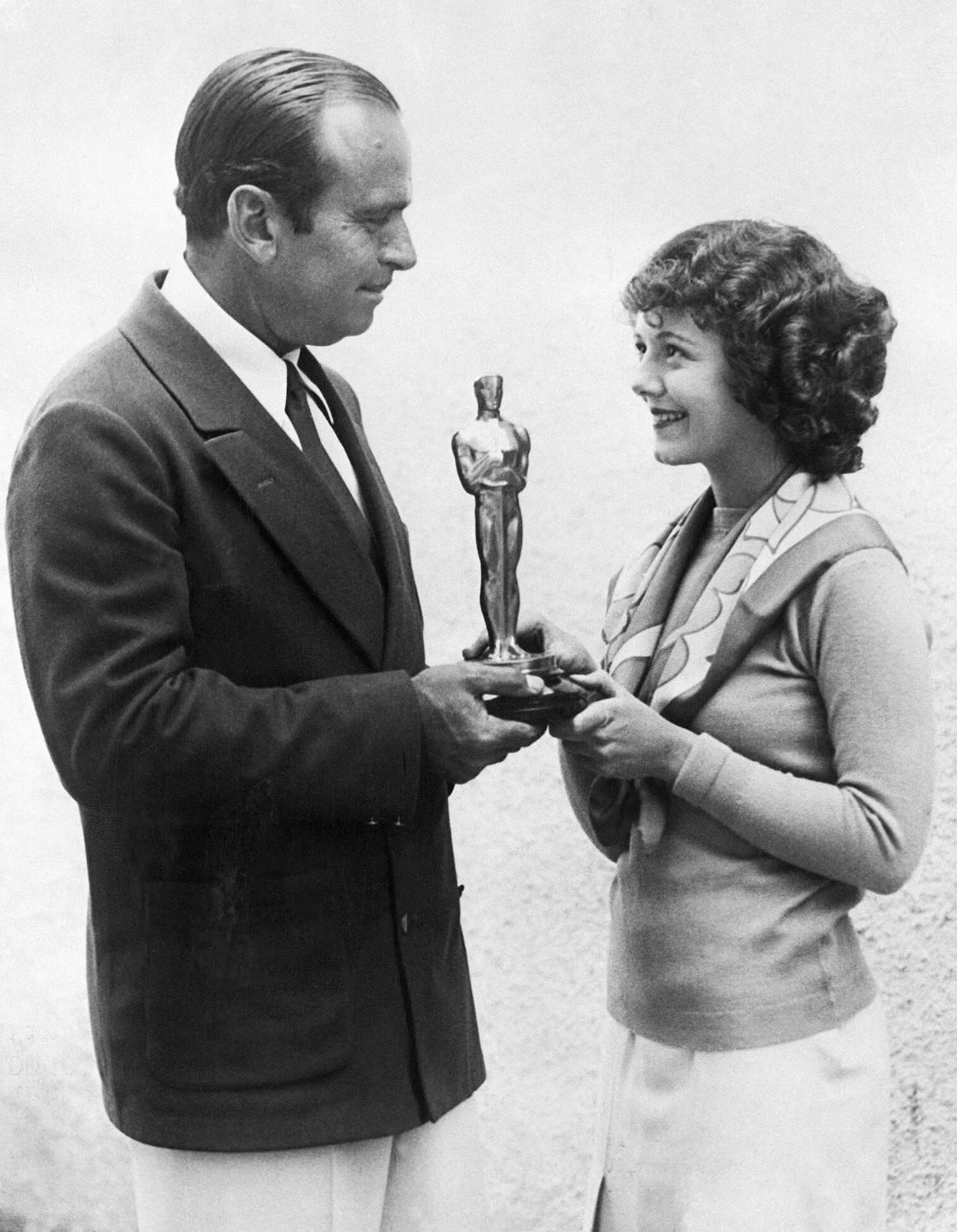
The very first awards were handed out on May 16, 1929, during a private dinner at the Hollywood Roosevelt Hotel in Los Angeles. With just 270 guests in attendance, the Academy presented 15 statuettes honoring films released between 1927 and 1928. Unlike today’s suspense-filled broadcasts, the winners had been announced three months prior, allowing the entire ceremony to wrap up in a brisk 15 minutes. Tickets cost a mere $5—roughly equivalent to $90 today.
In its early years, the Academy lacked a secure voting system, which frequently led to media leaks. After a major incident in 1940, when a Los Angeles newspaper published the winners ahead of schedule, the Academy introduced the iconic sealed envelopes. This simple change transformed the ceremony into a masterclass in suspense. By 1953, the Oscars hit the small screen, with its first televised broadcast instantly expanding its audience and cementing its status as a global media spectacle.
The Statuette: An Icon of the Silver Screen
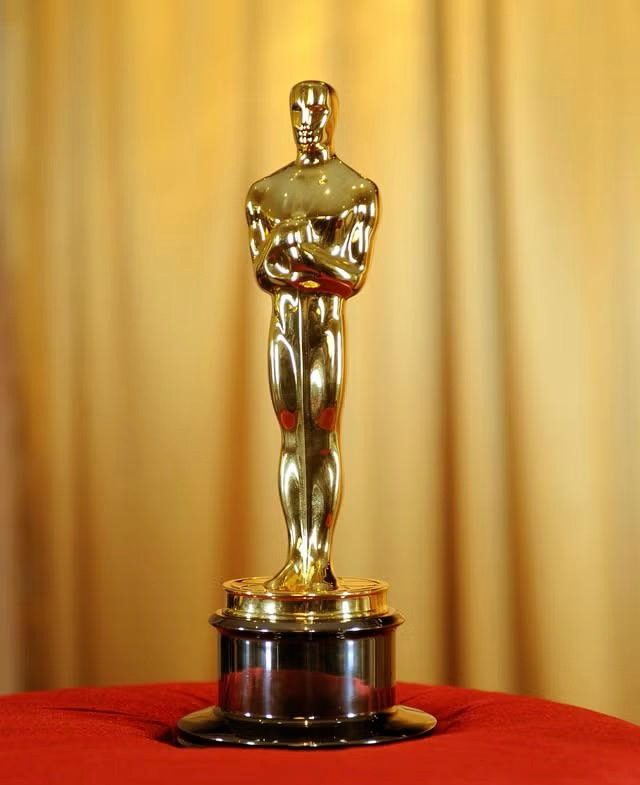
While officially dubbed the Academy Award of Merit, the world knows the trophy simply as the Oscar. The statuette depicts a knight holding a crusader’s sword, standing atop a five-spoke film reel. Each spoke represents the original branches of the Academy: actors, directors, writers, producers, and technicians.
Crafted from solid bronze and plated in 24-karat gold, the trophy stands 13.5 inches tall and weighs a hefty 8.5 pounds. The design is so sacred that during World War II, when metal was scarce, the Academy temporarily handed out painted plaster replicas, which winners later exchanged for gold once the war ended.
The origin of the nickname “Oscar” remains shrouded in Hollywood lore. The most famous story credits Academy librarian Margaret Herrick, who reportedly remarked that the golden man looked just like her Uncle Oscar. Other theories point to screen legend Bette Davis naming it after her first husband, or Hollywood columnist Sidney Skolsky, who popularized the term in his 1930s articles. Regardless of its true origin, the moniker stuck, eventually becoming an official Academy trademark.
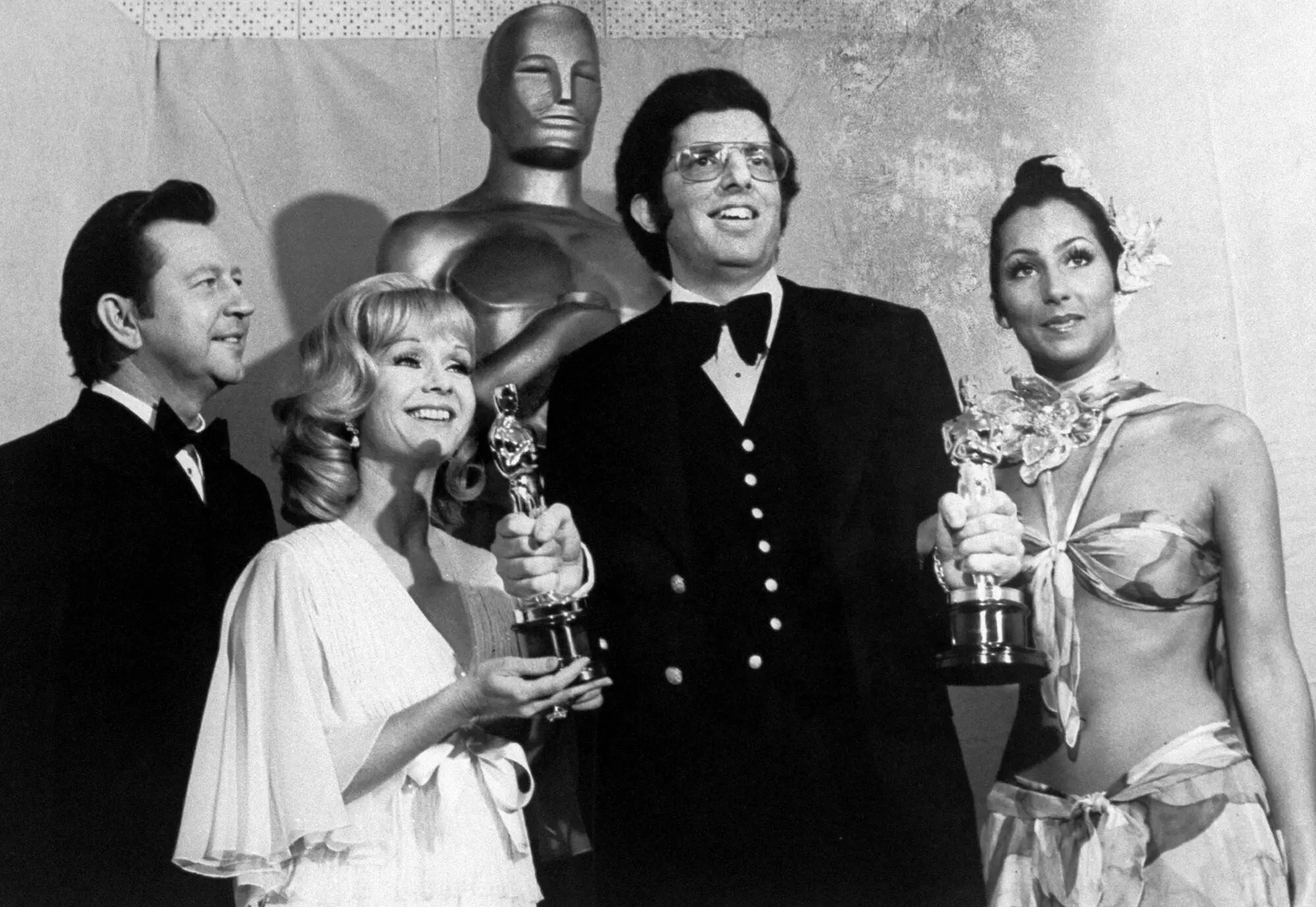
Over the decades, the Oscars evolved from an industry dinner into a massive entertainment franchise. By the 1960s and ’70s, international broadcasts turned it into a global phenomenon. In the 2000s, the Academy continued to modernize, introducing new categories and expanding eligibility rules to embrace changing formats, such as full-length animated features and international cinema.
Since 2002, the star-studded event has found its permanent home at the Dolby Theatre, situated right in the heart of Hollywood next to the Walk of Fame. Known as the Kodak Theatre until 2012, the venue was custom-built to host the entertainment world’s biggest night. Boasting a seating capacity of over 3,300 and featuring cutting-edge audio and broadcasting technology, the theatre is where the famous red carpet rolls out every spring. For tourists, the Dolby Theatre is an essential Los Angeles landmark. Year-round guided tours allow film buffs to step onto the Oscar stage, explore the history of the ceremony, and view the grand columns engraved with the names of every Best Picture winner. Conveniently located steps from the TCL Chinese Theatre and the Ovation Hollywood complex, it remains one of the most visited destinations in Southern California.
Inside the Main Categories and Voting Process
The Academy hands out awards across dozens of disciplines, but the most anticipated honors of the night—often called the major categories—include:
- Best Picture
- Best Director
- Best Actor
- Best Actress
- Best Screenplay (Original and Adapted)
- Best Cinematography
- Best Film Editing
- Best Animated Feature
- Best International Feature Film
Today, the Academy’s voting body has grown to over 9,000 industry professionals. To ensure expert evaluation, members are divided into distinct branches based on their expertise. The voting itself happens in two stages: nominations and final voting. The process is highly structured:
- Academy members belong to specific professional guilds.
- Each guild nominates peers within its own field (e.g., actors nominate actors).
- All voting members cast ballots for Best Picture.
- Balloting remains strictly confidential, tabulated by an independent accounting firm.
- A preferential voting system is used to determine the Best Picture winner.
To qualify for Oscar consideration, a film must meet strict criteria:
- It must complete a minimum seven-day qualifying theatrical run in Los Angeles County.
- It must meet specific technical and formatting standards.
- It must be released within the designated calendar year.
- It must have a runtime of more than 40 minutes to qualify as a feature-length film.
Hollywood Legends and Record-Breaking Winners
When it comes to Oscar records, animation pioneer Walt Disney remains the undisputed king. He racked up an astonishing 22 competitive Oscars out of 59 nominations, a milestone that remains unmatched in Hollywood history.
In the acting categories, Daniel Day-Lewis holds the record for men, securing three Best Actor statuettes. He stands alone as a master of chameleonic transformation, famed for his immersive method acting that won over voters time and again.
On the women’s side, Katharine Hepburn is an unmatched icon. She captured four Best Actress awards over her illustrious career. Hepburn’s fierce independence and commanding screen presence redefined the role of women in classic Hollywood and set a golden standard for generations of performers.
Many of these legendary Oscar winners also boast stars along the Hollywood Walk of Fame. Icons like Tom Hanks, Meryl Streep, Steven Spielberg, Audrey Hepburn, and Elizabeth Taylor are immortalized on both the screen and the sidewalk. Strolling down the boulevard offers a literal walk through American cinema history, told through the names of its greatest creators.
The record books also feature massive cinematic sweeps. Three films share the title for the most single-night wins: *Ben-Hur* (1959), *Titanic* (1997), and *The Lord of the Rings: The Return of the King* (2003), each taking home a staggering 11 Oscars.
A recent historic milestone occurred in 2020 when the South Korean thriller *Parasite* became the first non-English language film to win Best Picture. The Academy’s decision shattered a long-standing glass ceiling and highlighted the increasingly global nature of the modern entertainment landscape.
The rules of winning have also tightened over time. In the early days, an actor or director could be nominated for their work across multiple films in a single year. The Academy eventually reformed this practice, limiting each nomination to a single, specific film—making the competition far fiercer and more streamlined.
Critique, Controversy, and the Future
Despite its unmatched prestige, the Academy Awards have regularly faced public scrutiny. Over the years, major criticisms have centered on:
- A historical lack of racial and gender diversity among nominees and voters.
- The heavy influence of multi-million-dollar studio marketing campaigns.
- An institutional bias favoring mainstream, big-budget dramas over independent cinema.
- Ongoing debates regarding the eligibility and dominance of streaming platforms.
To stay relevant, the Oscars are undergoing a massive modern transformation. By introducing new inclusion standards, diversifying its voting membership, and embracing the streaming era, the Academy is adapting to the 21st century. Even amid the controversies, the Oscars remain the ultimate benchmark of cinematic success and a powerful force in global culture.