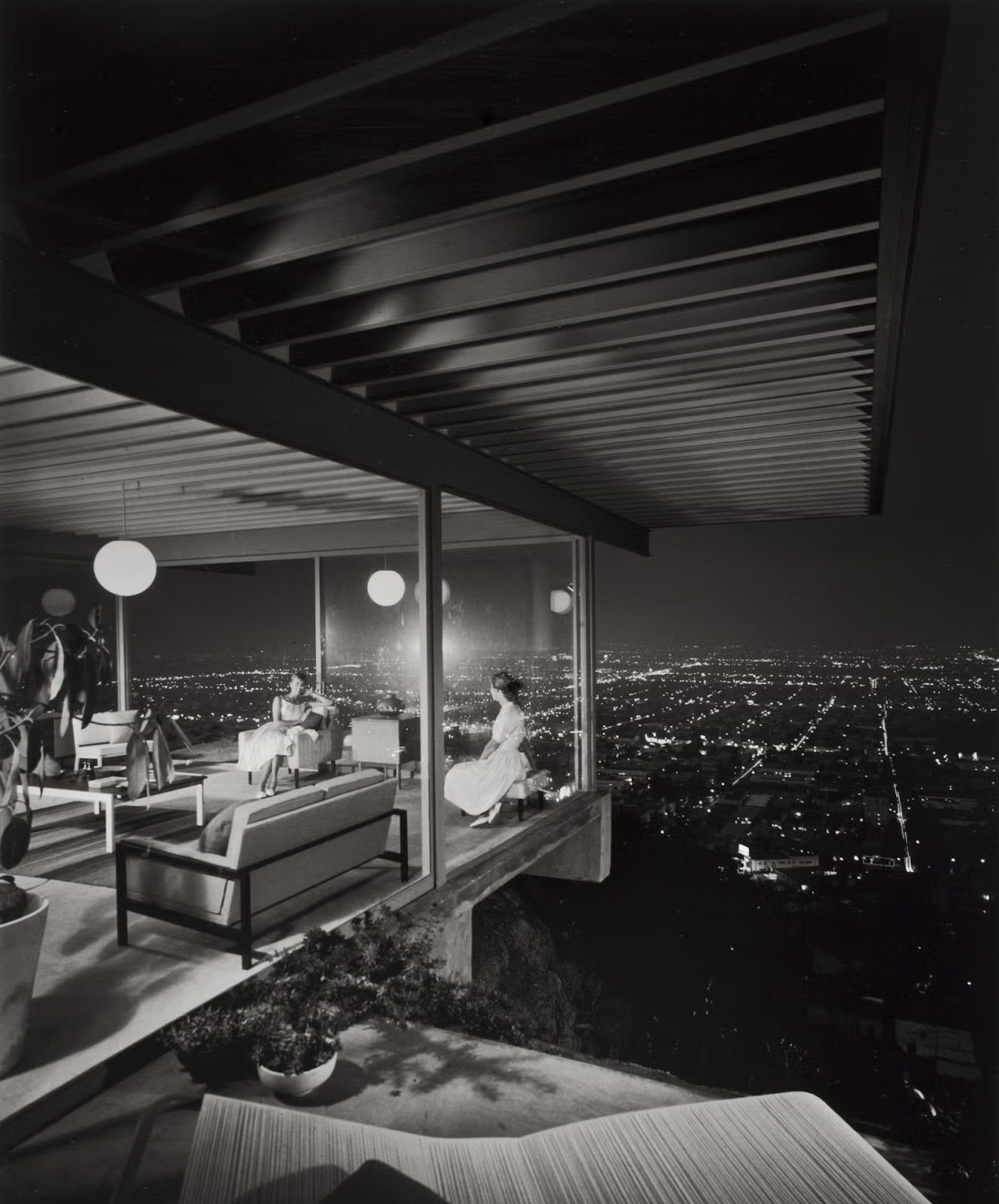

This is a major exhibition dedicated to the evolution of design and domestic culture in California between World War II and the mid-1960s. The project explores how innovative ideas, technologies, and lifestyles came together in homes, furniture, interior objects, and industrial design, shaping a unique Californian aesthetic that influenced the entire United States. More at los-angeles.pro.
Exhibition History
“California Design, 1930–1965: Living in a Modern Way” originated as part of a broader initiative exploring the local expressions of art, design, and domestic culture in Southern California. The exhibition focuses on the period when California was transforming into a hub of modernist thinking, combining creative innovation with industrial technologies. The show highlights how artists, architects, and industrial designers experimented with form, color, materials, and functionality. They created objects that blended elegance and simplicity while remaining highly practical for everyday use. This approach became the foundation of the so-called California lifestyle: open, bright, convenient, and thoroughly modern.
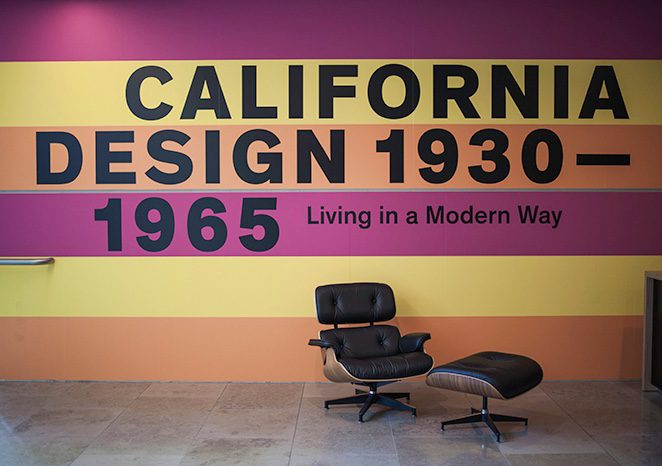
The title “Living in a Modern Way” emphasizes the idea that design is more than just aesthetics—it’s a way of organizing life. It shaped new social and cultural habits, influencing residential architecture, interior layouts, and daily practices. As a result, design became an important part of the everyday lives of Californians and gradually influenced the lifestyle across the entire U.S.
The exhibition also demonstrates how modernist ideas permeated various fields—from furniture and dishware to textiles and graphic design. It showcases not only the historical timeline but also the cultural context of a time when technological progress was paired with a desire for harmony and convenience in daily life.
The Exhibition
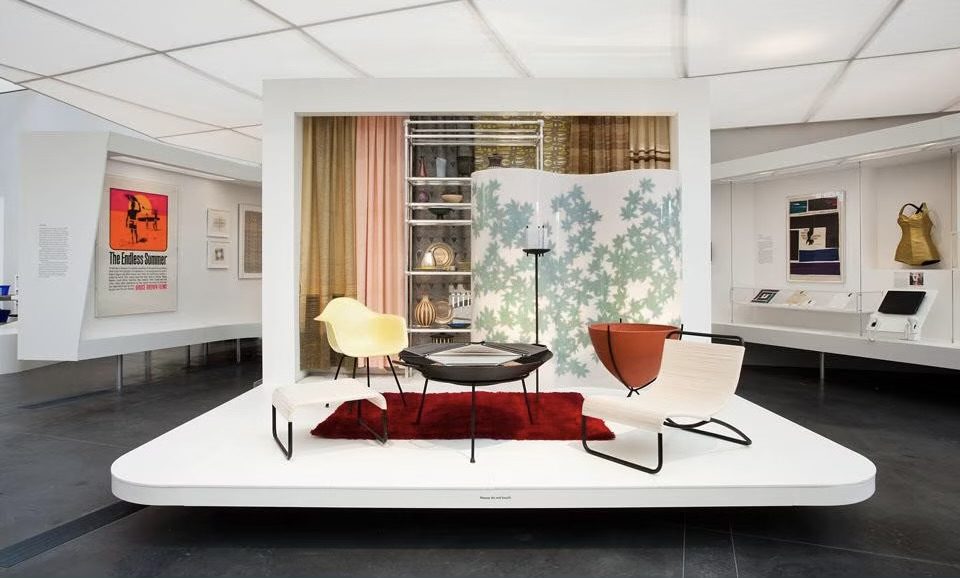
“California Design, 1930–1965: Living in a Modern Way” features over three thousand objects that illustrate the diversity and innovation of mid-20th-century Californian design. Furniture and home furnishings—from chairs and tables to beds, cabinets, and lamps—are crafted from materials that were cutting-edge at the time, such as molded plywood, plastics, metal, and composite technologies. Each piece combines elegance, functionality, and innovative production techniques that made them accessible to a wide range of consumers. Ceramics and dishware are striking examples of artistic industrial design, reflecting the Californian artisans’ attention to color, texture, and form. These objects demonstrate the desire to make everyday items not only functional but also aesthetically pleasing. Textiles and fabrics—curtains, bedspreads, and decorative fabrics with graphic, geometric, and abstract motifs—reflect the optimism and modern spirit of the era and showcase a fresh approach to using color and pattern in interior design. Graphics and advertising materials—posters, magazines, catalogs, brochures, and promotional flyers—popularized the modernist style among a broad audience. They show how design was actively integrated into daily life and shaped cultural trends. Architectural models and interior photographs provide insight into how furniture and objects interacted with living spaces, how modernist aesthetics permeated middle-class homes, and how they formed a unique Californian lifestyle.
The exhibition “California Design, 1930–1965: Living in a Modern Way” shows how design shaped a new sense of community and lifestyle. Open floor plans in homes encouraged family and social interaction, lightweight furniture made spaces more mobile, and colorful fabrics and decor reflected the optimism of postwar America. The exhibition also highlights the role of women in design and architecture, as many female designers and artists made significant contributions to the development of Californian modernism during this period. Works by Charles & Ray Eames, George Nelson, Richard Neutra, Florence Knoll, and lesser-known designers whose work influenced the formation of American modernist living are particularly noteworthy. The exhibition demonstrates how their ideas combined technological innovations with aesthetics and practicality, creating a style that is still considered a classic of modern design.
Exhibition’s Impact
“California Design, 1930–1965: Living in a Modern Way” reveals that California became a true laboratory of modernist ideas, where cutting-edge technologies and materials were actively combined with the concept of “affordable design” for the masses. This meant that modern, functional, and aesthetically pleasing household items were accessible not just to the elite but also to the middle class, which became a key factor in shaping mass design culture in the U.S.
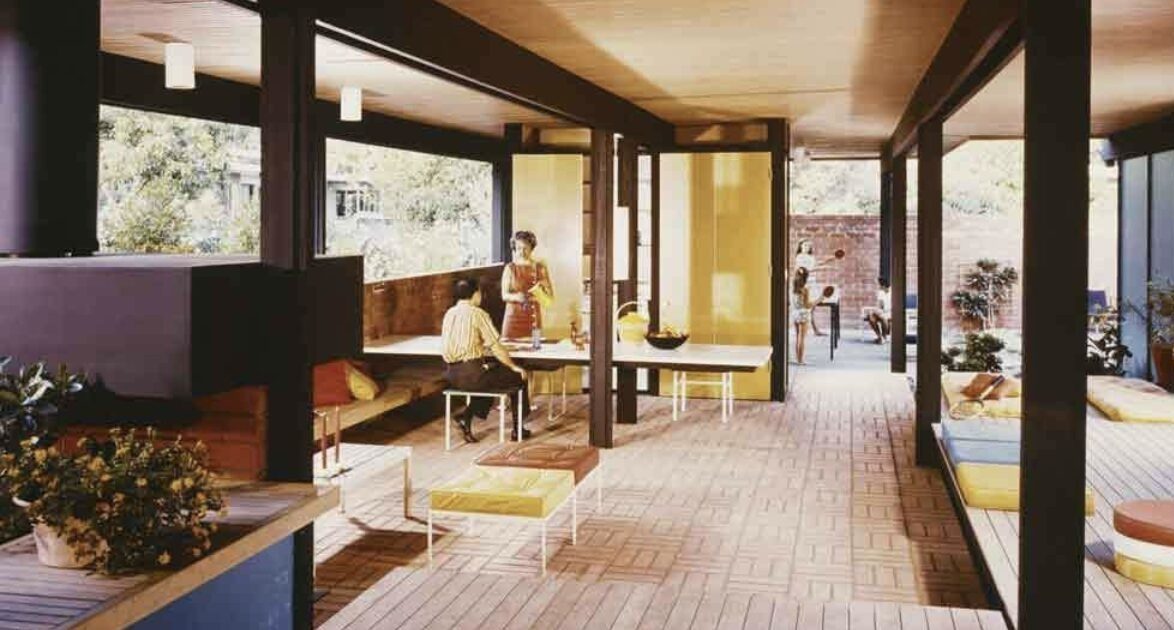
The exhibition shows how design influenced people’s daily lives. It changed residential architecture by integrating open floor plans, simple forms, and bright, airy spaces; it influenced consumer culture by making the design of household items a part of everyday experience; and it shaped practical applications—from arranging home interiors to a lifestyle that emphasized comfort, functionality, and aesthetics.
The exhibition particularly highlights California’s role as a center for innovation, where ideas were born that would later influence design worldwide. Here, the creativity of artists, architects, and designers merged with industrial technologies, allowing for the creation of objects that were simultaneously beautiful, practical, and technologically advanced.
The exhibition demonstrates how the Californian approach to design became a part of American cultural identity in the mid-20th century, reflecting a desire for modernity, optimism, and the accessibility of high-quality design for everyday life.
For Visitors
The “California Design, 1930–1965: Living in a Modern Way” exhibition will be of interest to a wide audience because it showcases not only historical examples of furniture and household items but also the evolution of ideas that influenced daily life and culture in the mid-20th century.
The exhibition allows visitors to get acquainted with the unique furniture, textiles, ceramics, and graphics that defined Californian modernism. It allows one to trace the evolution of forms, colors, and materials that have become classics of American design. The exhibition also offers inspiration for personal projects, demonstrating a harmonious combination of functionality, aesthetics, and innovative materials. Additionally, one can see how furniture design interacted with residential and public spaces, shaping a cohesive interior aesthetic. Archival materials, advertising catalogs, interior photographs, and drawings provide an opportunity to study the cultural and social context of the time, as well as the impact of modernist ideas on American society. The exhibition also shows how design shaped the vision of modern living, comfort, and style in California, allowing visitors to discover the city through the unique lens of creativity and domestic culture.