

She was one of the most famous and successful rock performers of her era. The American singer and songwriter rose to fame thanks to her powerful mezzo-soprano voice and electrifying stage presence. The star lived a short life, but in that period, she managed to earn the title of an icon. More on los-angeles.pro.
A Difficult Childhood and College Years
Janis’s life began on January 19, 1943, in the oil-refining town of Port Arthur, Texas. Her family was religious and attended the First Christian Church in the city.
At 14, she was a heavier girl with severe acne, and she was bullied relentlessly in school.
The girl was interested in art and literature; she wrote poetry, and at 17, she began to sing. Young Janis didn’t yet realize how powerful her voice was.
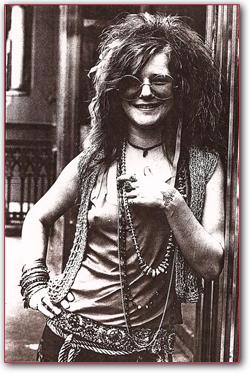
As she grew up, she dyed her hair orange. Her wardrobe consisted of men’s clothing and shaggy dresses. The parents of other children forbade them from befriending or spending time with Janis.
After graduating high school, she began studying art at the University of Texas at Austin. Because of her appearance and habits, a fraternity boys’ satirical magazine named the future star the “Ugliest Man on Campus.”
Her passion for singing took over, so she dropped out of college in January 1963 and hitchhiked to San Francisco.
At the Peak of Fame
At 18, Janis moved to San Francisco, becoming an icon of the hippie movement. There seemed to be an abyss between her past and present. She had been mocked and ridiculed for her appearance, but soon after, she landed on the cover of Newsweek magazine. The article, titled “The Rebirth of the Blues,” described Janis Joplin as the first female superstar of rock music.
Janis’s example confirms that not everyone can handle international recognition and fame. In her five-year career, the singer sold over 15.5 million albums in the United States. The flip side of this wild success was a self-destructive lifestyle and harmful habits that led the talented singer to an early death.
Fascinating Facts
- It is known that Janis often went barefoot in college.
- During her studies, she could often be seen with an autoharp.
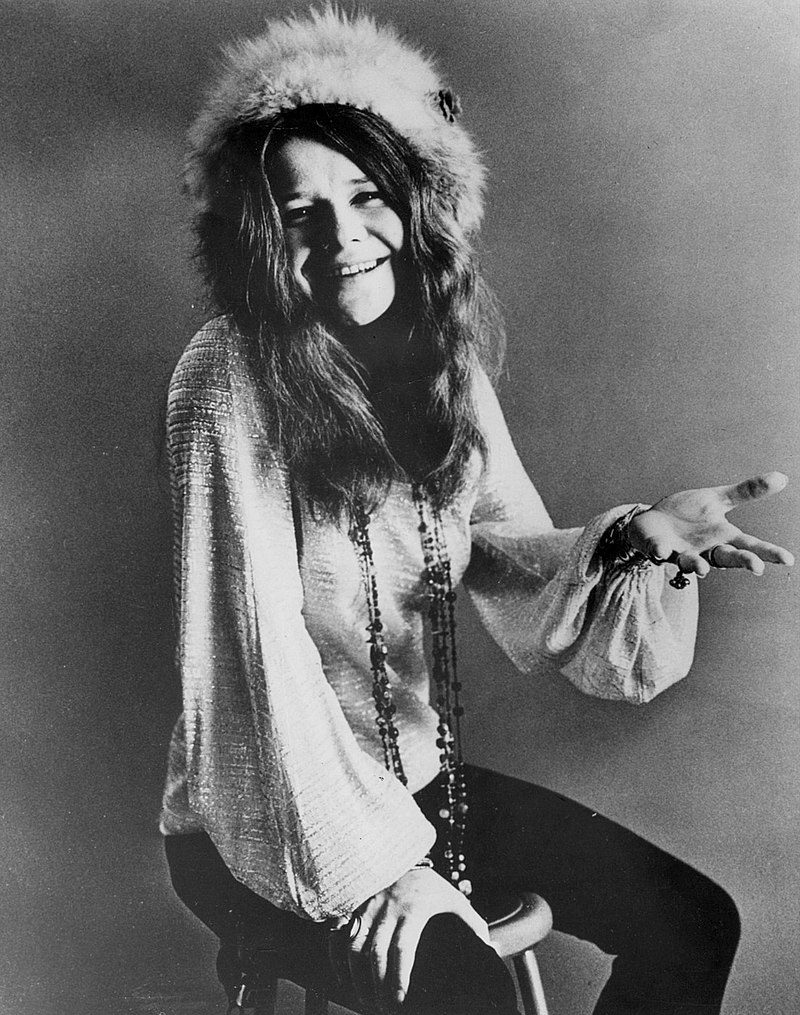
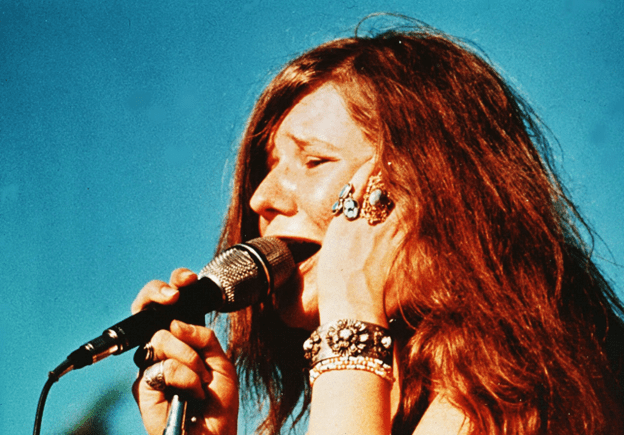
- Offstage, the girl was shy; however, during her performances, Janis Joplin was incredibly confident.
- The singer showed up at her high school reunion at Thomas Jefferson High School in Port Arthur. Her appearance stood out sharply among her elegantly dressed classmates. In late June 1970, shortly before her death, Janis Joplin gave an interview to American TV host Dick Cavett. He asked if she planned to return to her hometown, and she replied yes, for the reunion, to which she was not invited. She noted that they had laughed at and bullied her in class and in the city, but now it was her turn to laugh.
Los Angeles: Final Resting Place
For many, Los Angeles was a city of dreams and disappointments, and for Janis Joplin, it was the city where her earthly journey ended.
The city was meant to be a source of inspiration, as Janis was working on recording her next studio album, “Pearl,” in Los Angeles, which was released posthumously. It became one of the most successful albums of her career.
In Los Angeles, Janis experimented, trying to find a new sound. In the City of Angels, she met talented musicians with whom she aimed to collaborate on new compositions.
Janis’s life could have been long and fruitful with talented work, but it was cut short prematurely. She was found dead on October 4, 1970, in room 105 of the Landmark Motor Hotel in Hollywood. The rock-and-roll legend was clutching a cigarette in one hand and money in the other. It is known that the singer suffered from severe substance abuse issues.
Janis’s friend, Peggy Caserta, recalled in her memoirs that they often shared a batch of heroin. During performances, the singer frequently used alcohol and methamphetamine, took psychedelics, and later found heroin. She met Caserta in the Haight-Ashbury district in 1965, as the girl owned a hippie clothing store. The two quickly hit it off and became friends.
It should be noted that there are still those who are convinced that the cause of the singer’s death was not an overdose. Peggy Caserta is among these people. Despite this, the official version remains unchanged.
A brass plaque was installed in room 105 of the hotel where Janis died.
Posthumous Fame
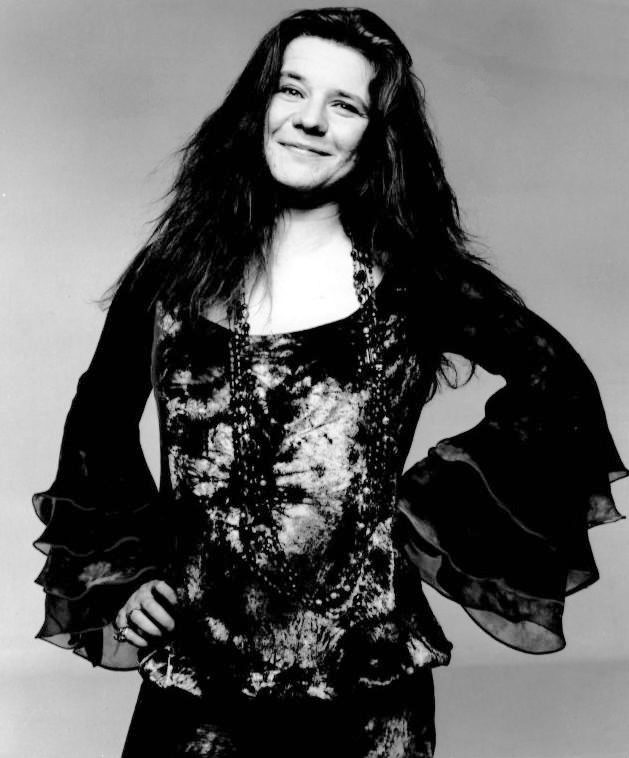
In the late 1960s, singer Janis Joplin became famous thanks to her powerful vocals and soulful blues. Due to an accidental heroin overdose, the talented Janis’s life was cut short in October 1970 in Los Angeles. She was only 27 years old at the time. Her last recorded song was a birthday greeting for John Lennon.
Despite her short life, Janis Joplin’s fame has not faded. Here are a few examples:
- In 2003, her four-time Platinum box set, which became the best-selling release of Joplin’s career, ranked 122nd on Rolling Stone’s list of the “500 Greatest Albums of All Time.”
- In 1988, the Janis Joplin Memorial, featuring a bronze sculpture by artist Douglas Clark, was opened in her hometown of Port Arthur.
- Joplin’s life and work have inspired filmmakers. An example is the documentary “Janis: Little Girl Blue.” The film was directed by renowned documentarian Amy Berg and produced by Academy Award winner Alex Gibney. The work captures the protagonist’s struggle with her inner demons, her desire for love and recognition, and the cruel music business.
- In 1995, Joplin was inducted into the Rock and Roll Hall of Fame. This is a museum and hall of fame located in downtown Cleveland, Ohio.
- Rolling Stone magazine ranked Joplin 46th on its list of the “100 Greatest Artists of All Time” in 2004.
- In 2005, she posthumously received the Grammy Lifetime Achievement Award.
- In 2008, Janis Joplin ranked 28th on the list of the “100 Greatest Artists of All Time.”
Janis Joplin’s songs have become rock classics; they are still played on radio stations worldwide and inspire contemporary singers. It is impressive that Janis remains one of the best-selling female vocalists in the US, with over 18.5 million albums sold.
Janis Joplin is a symbol of the rebellious spirit of the ’60s. She remains one of the most famous and respected figures in the world of rock music. National Public Radio dubbed Joplin the “Queen of Rock” and named her one of the “50 Great Voices.”
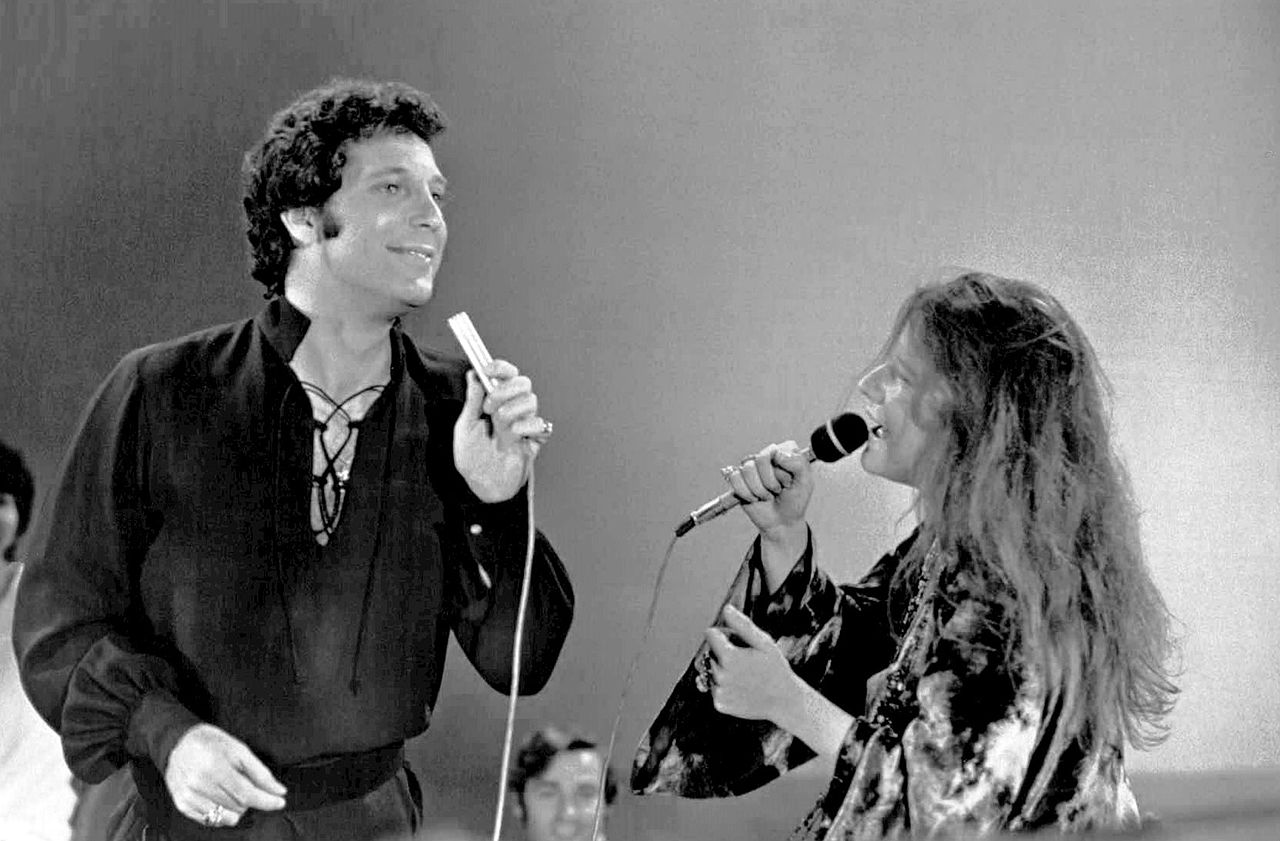
Parental Recognition
It was revealed after her death that the singer wrote many letters to her parents. Having received international recognition from fans, she longed to hear kind words from her closest family. Because Janis drank a lot of whiskey and used profanity on stage, she was banned from performing in Houston, Texas. While her parents also considered her behavior provocative, they ultimately supported their daughter.
A few days before her death, the singer signed her will. She set aside a substantial sum to host a wake at The Lion’s Share in San Anselmo, California. She signed and sent invitations to 200 people, printing “Drinks on Pearl” (Pearl was her nickname). Her estate was passed on to her family.