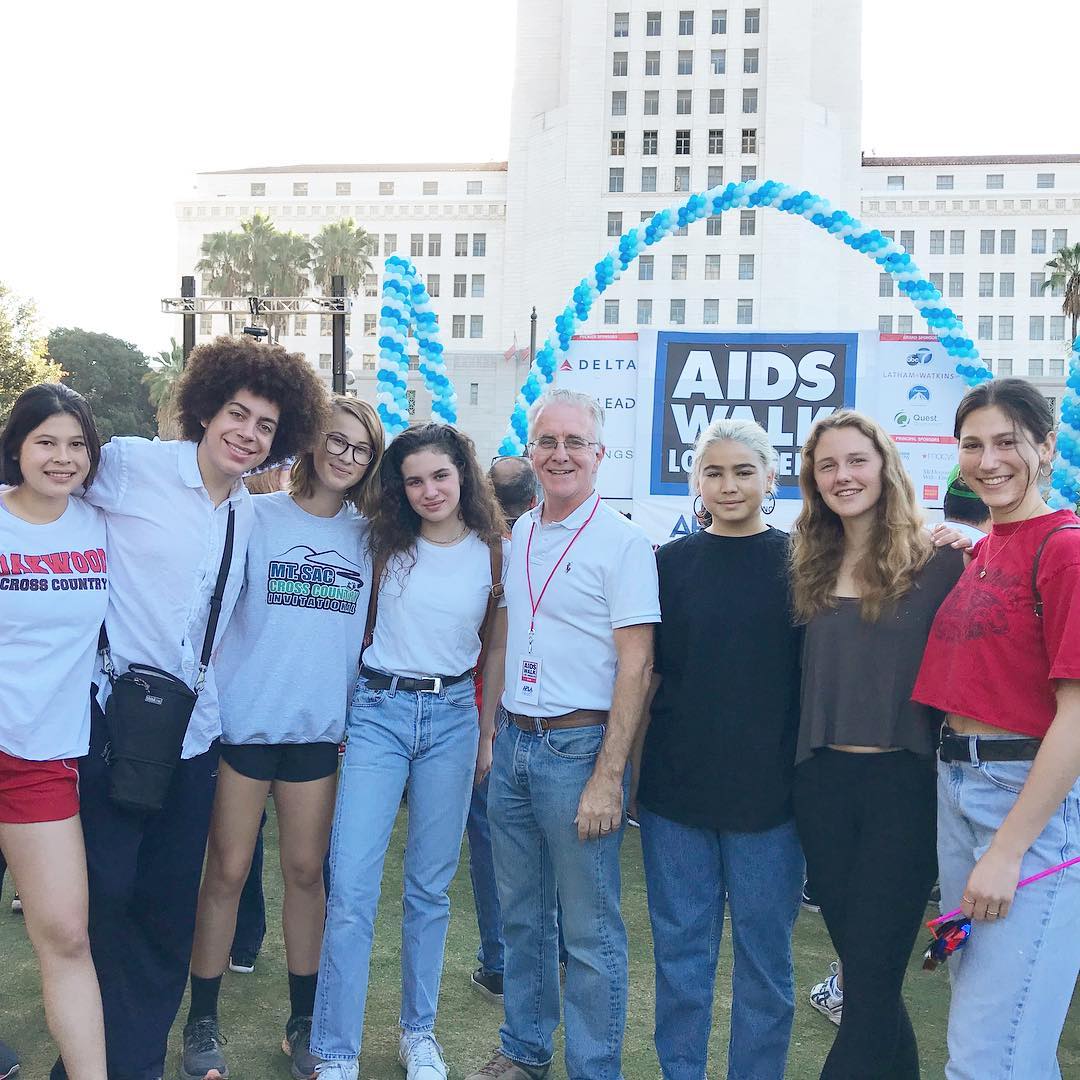
The event was first held in 1985, attracting hundreds of thousands of participants to raise donations and awareness of HIV/AIDS. More about the annual event, its history and value tells los-angeles.pro.
History of the event
In 1985, during the first march dedicated to AIDS in Los Angeles, it was possible to collect more than $92 million. Funds raised benefit APLA Health, as well as other organizations dedicated to the fight against HIV/AIDS in Los Angeles County.
AIDS Walk LA is a movement of activists, advocates, patients and friends who sought to get the government’s attention and force them to act at the height of AIDS in 1985. Every year, you can still feel the determination and inspiration that has been the driving force from the beginning.

The outbreak of AIDS in Los Angeles: how and when did it all begin?
In 1981, Michael Gottlieb, a doctor at the University of California, Los Angeles, reported the first cases of HIV/AIDS. Initially, the disease was described as infectious cancer and the patients were gay men living in Los Angeles. Modern researchers claim that these were far from the first cases because it takes an average of 10 years for an infected person to develop the first symptoms.
Michael Gottlieb’s articles attracted the attention of other doctors from different parts of the world, who began to notice similar symptoms in their patients. Five months after the first cases were reported (in October), the Centers for Disease Control and Prevention declared an epidemic.
In one of the interviews, the mayor of West Hollywood, John Duran, told how it was. He was diagnosed with AIDS in 1994. He said that the announcement of the epidemic was frightening. John Duran kept a list of the names of friends he had lost to AIDS. Their number reached 104 people. This number of losses negatively affected his psychological well-being.
In 1993, the Wall Las Memorias AIDS Monument was established in Lincoln Park. It was a public project, as well as the first publicly funded AIDS monument in the country.
A full-scale epidemic
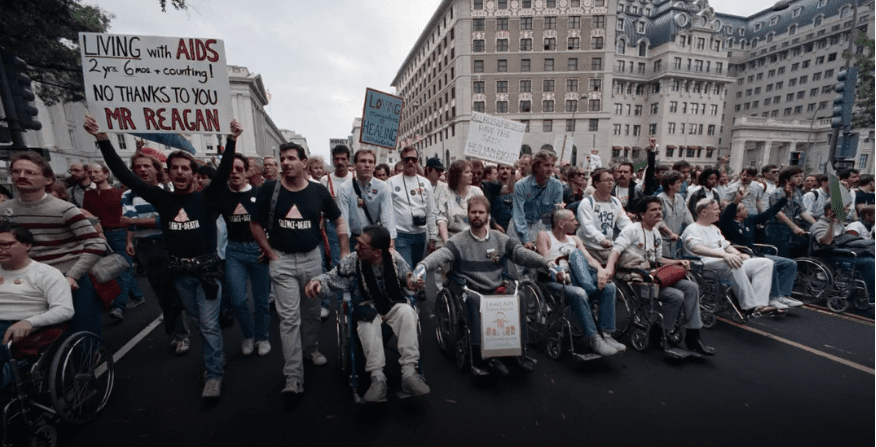
In September 1985, President Ronald Reagan first publicly mentioned AIDS, which was already a full-scale epidemic at that time. Back in the summer of 1981, health officials first heard about AIDS. Then, it was noticed that young, healthy gay men in Los Angeles and New York began to get sick and die from unusual diseases caused by weakened immune systems. The fear of catching the disease quickly spread among representatives of the gay community. There was not only fear of getting sick but also the possibility of being discovered and identified as homosexuals.

Despite the spread of the disease, the media completely or partially avoided it. In July 1981, the New York Times published a story about mysterious diseases for the first time. Only two years later (May 25, 1983), an article about AIDS appeared on the front page. Then, about 600 people had already died from the disease.
Experts began to understand how serious the disease is. It was necessary to take immediate measures in the field of health care. Instead, the federal government remained silent and AIDS research was not adequately funded. By the end of 1983, the number of deaths from AIDS in the country exceeded 2,000 and the number of registered cases of the disease was about 4,700.
Mass protests
A political group called ACT UP began to draw attention to the crisis in every possible way. Its representatives encouraged government agencies and pharmaceutical companies to act. ACT UP began to organize large-scale protests, during which people lay down in public places and faked their deaths. It was a response to government inaction and underfunding. The organizers of such actions showed by their actions that if the epidemic is ignored, the number of dead will increase.
HIV and AIDS: key differences
Sometimes, people mistakenly use the terms HIV and AIDS interchangeably, although they have significant differences.
HIV is a human immunodeficiency virus that attacks the human immune system by affecting white blood cells. Having entered the body, HIV remains in it for life. If left untreated, HIV can progress to AIDS.
AIDS is an acquired immunodeficiency syndrome. It is a stage of HIV infection in which the immune system is seriously damaged by the virus. AIDS cannot be cured but it can be controlled. HIV treatment will slow down the progression of the virus, allowing the immune system to recover.
It is worth noting that not every person with HIV can develop AIDS. Modern treatment methods allow people with HIV to live long and healthy lives.
There are many myths and common misconceptions surrounding topics related to HIV and AIDS, for example:
- HIV is transmitted through kissing, saliva or sweat. In fact, the virus can be transmitted through infected blood, vaginal secretions or semen
- people who have HIV look sick. This is not true. Due to the treatment, such people can feel and look quite normal. To know for sure whether a person is sick or not, it is worth taking a test
- there is a widespread myth that people with HIV cannot have children because if they do, they will also be sick; this is not so thanks to modern methods of treatment, as well as prevention and a couple with HIV can have a completely healthy child (children)
- another myth states that HIV can be transmitted by insects (mosquitoes or bees).
Belief in misinformation and stigma about HIV/AIDS still discriminates against people, violates their rights and makes it difficult to access necessary treatment and support. It is important to be knowledgeable about the topic to avoid this. One can get tested knowing the status, take measures to prevent the spread of the virus and get information from reliable and official sources.
AIDS Walk in Los Angeles in 2024
The AIDS Walk LA is scheduled for October 13, 2024 in West Hollywood. This event is special because it marks the 40th anniversary. The AIDS Walk Los Angeles underscored the need to continue the fight against the virus, which continues to claim millions of lives around the world.
Every resident of Los Angeles can make a contribution: donate funds, become a volunteer or spread information about HIV/AIDS.
The value of the event
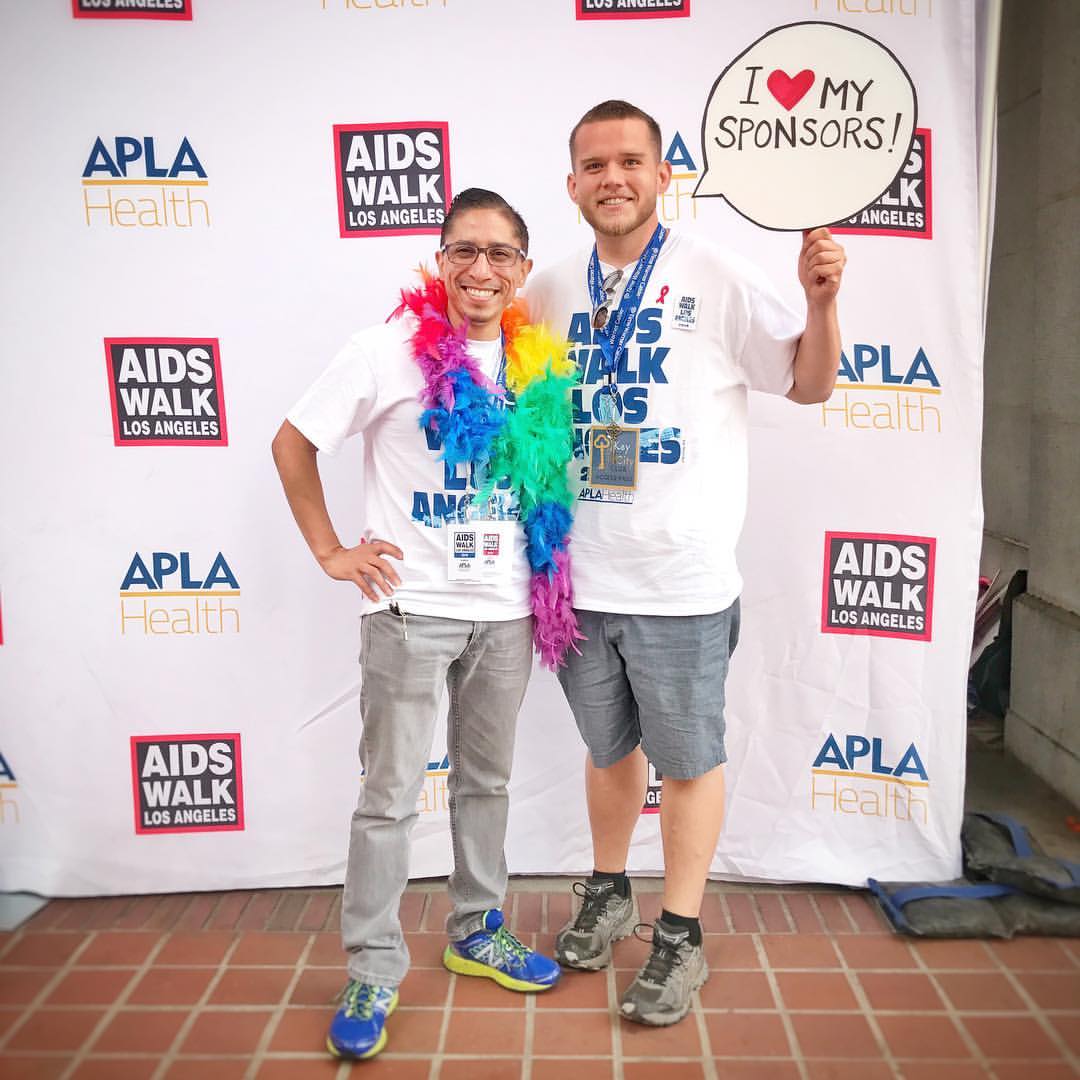
AIDS Walk LA raises funds each year for the nonprofit APLA Health. Its purpose is to provide vital services and programs to people living with HIV/AIDS in Los Angeles County.
There are several key programs and services supported by funds raised at AIDS Walk LA.
- Medical care for people living with HIV/AIDS. This item should include patient care, prevention of opportunistic infections and drug addiction treatment.
- The next important direction is housing support. The non-profit organization helps people with HIV/AIDS find and maintain affordable housing.
- Provision of food kits and other nutrition-related services to people with HIV/AIDS.
- In addition to taking care of physical health, mental health is of great importance. This should also include support for people living with HIV/AIDS.
- Education and prevention services to prevent the spread of the virus.
- The non-profit organization fights for the rights of people living with HIV/AIDS.
The generosity of AIDS Walk LA participants, volunteers and donors helps raise significant amounts of money each year and direct it to important programs and services for people living with HIV/AIDS.