

The summer music festival season in Los Angeles is packed with diverse and vibrant events. The only question is what to choose. However, before that, it will be interesting to learn about past music festivals. Find out more about the history of the city’s legendary music festivals on the pages of los-angeles.pro .
T.A.M.I. Show
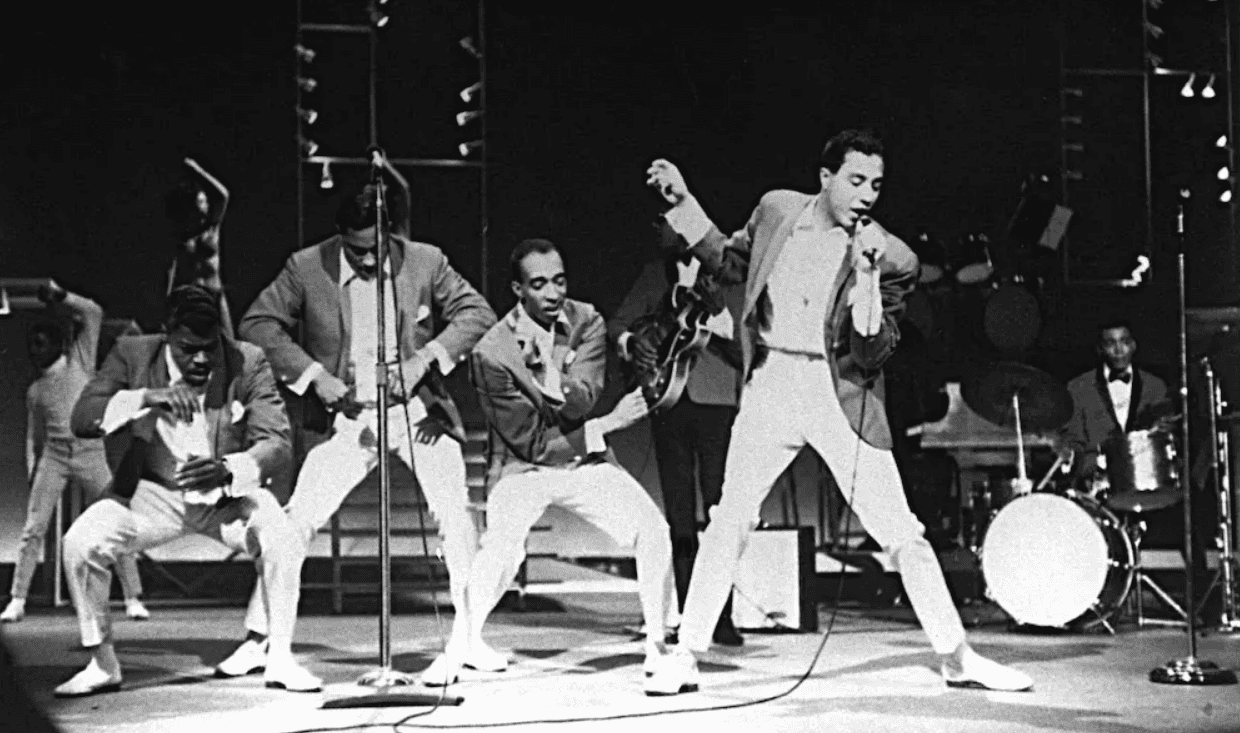
The first event in our review is the T.A.M.M.I. Show in 1964. Its venue was the Santa Monica Public Auditorium, which was the go-to place for teenagers back then. High school students were given free tickets to the festival.
Most interestingly, the Teenage Awards Music International was the first rock and roll event to gain widespread publicity in American history. Just imagine a two-night jamboree filmed for a concert film directed by Steve Binder and his crew from The Steve Allen Show.
The show aimed to appeal to the youth culture of the 1960s. The advertisement emphasized that it was a unique experience. T.A.M.M.I. Show featured a fantastic cast of performers.
American International Pictures distributed the concert film. Another fascinating fact is that this performance served as the inspiration for an equally remarkable follow-up. This particular event was the Big TNT Show in 1965, held at the Moulin Rouge nightclub in Hollywood. Phil Spector was the mastermind behind the production.
The performances of James Brown and the Famous Flames made the show incredibly popular. Their legendary dance moves and explosive energy made them unforgettable.
It’s worth noting that in 2006, the Library of Congress honored the event as ‘culturally, historically and aesthetically significant’. In addition, the T.A.M.I. Show was also chosen for preservation in the National Film Registry.
Newport Pop Festival
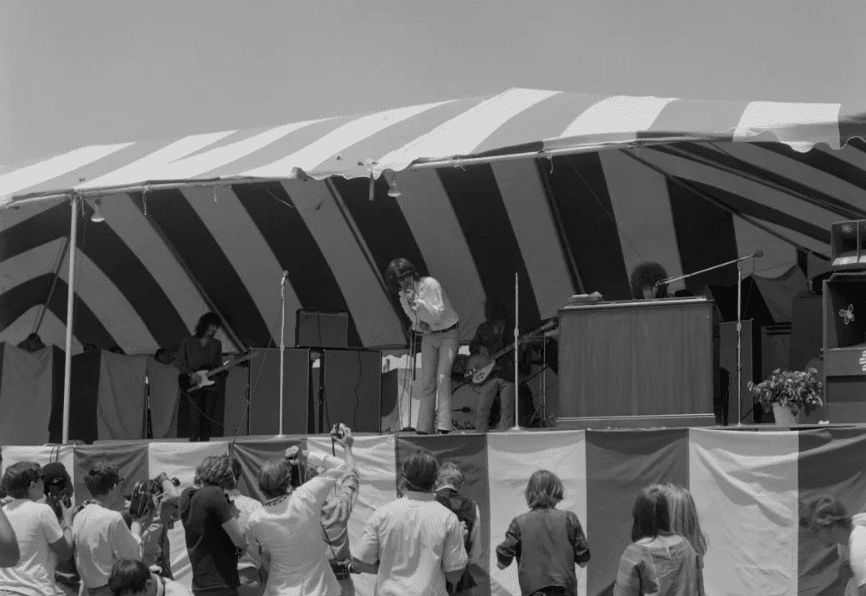
The event took place in Costa Mesa, California, in 1968. It was the Newport Pop Festival that made history as the first event to attract over 100,000 paid attendees. The follow-up to this music festival was Newport 69, held in Northridge, California. Its total attendance was estimated at 200,000.
The festival was initially called Newport Pop Festival, despite it having nothing to do with folk or jazz festivals. The events of 1968 and 1969 have been a source of controversy, partly due to confusion caused by the participating musicians. In later interviews, they often conflated the two events.
The Newport 69 music festival turned chaotic when a riot broke out, resulting in injuries to hundreds of people. Simultaneously, the city’s police commission launched an investigation into the $50,000 worth of damage caused to nearby homes and businesses. Coincidentally, attendee misconduct and crime turned one of the largest pop festivals into a disaster.
Wattstax
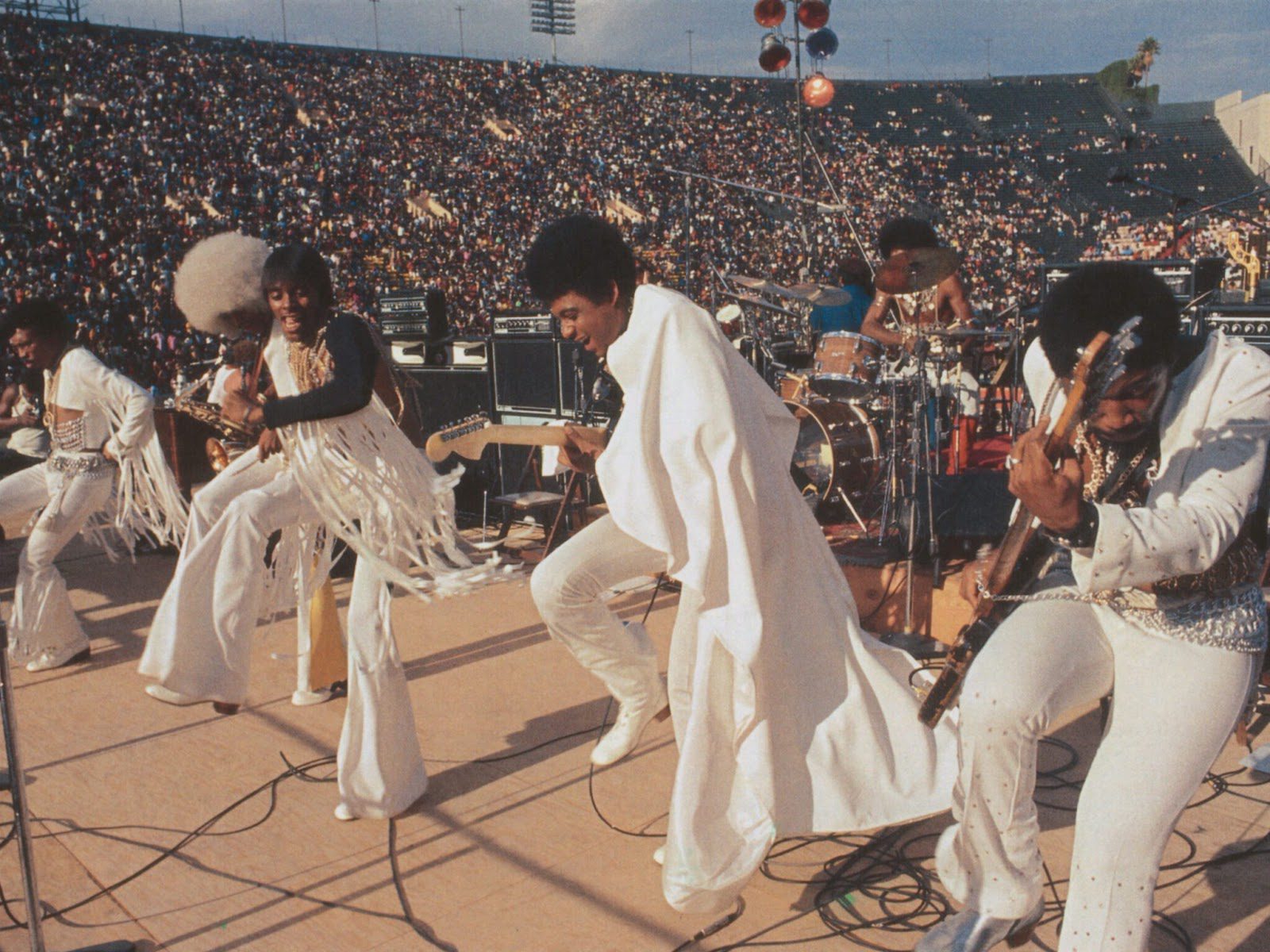
Wattstax was a charity event put together by Stax Records to honor the seventh year since the 1965 riots in the African-American neighborhood of Watts.
The concert took place at the Los Angeles Memorial Coliseum and featured renowned artists of that time. A crew led by David L. Wolper filmed the concert, later featured in the 1973 documentary of the same name, Wattstax.
Interestingly enough, Mel Stuart directed the concert, and the film was nominated for a Golden Globe Award for Best Documentary in 1974. In 2020, the Library of Congress selected the film for preservation in the U.S. National Film Registry.
The concert date, August 20, 1972, was not a random selection. It happened to be Isaac Hayes’s 30th birthday and just a few days after the seventh anniversary of the Watts riots.
Prior to the charity concert, all seats were reserved and priced at only one dollar each, allowing anyone who wanted to come could afford to attend.
California Jam
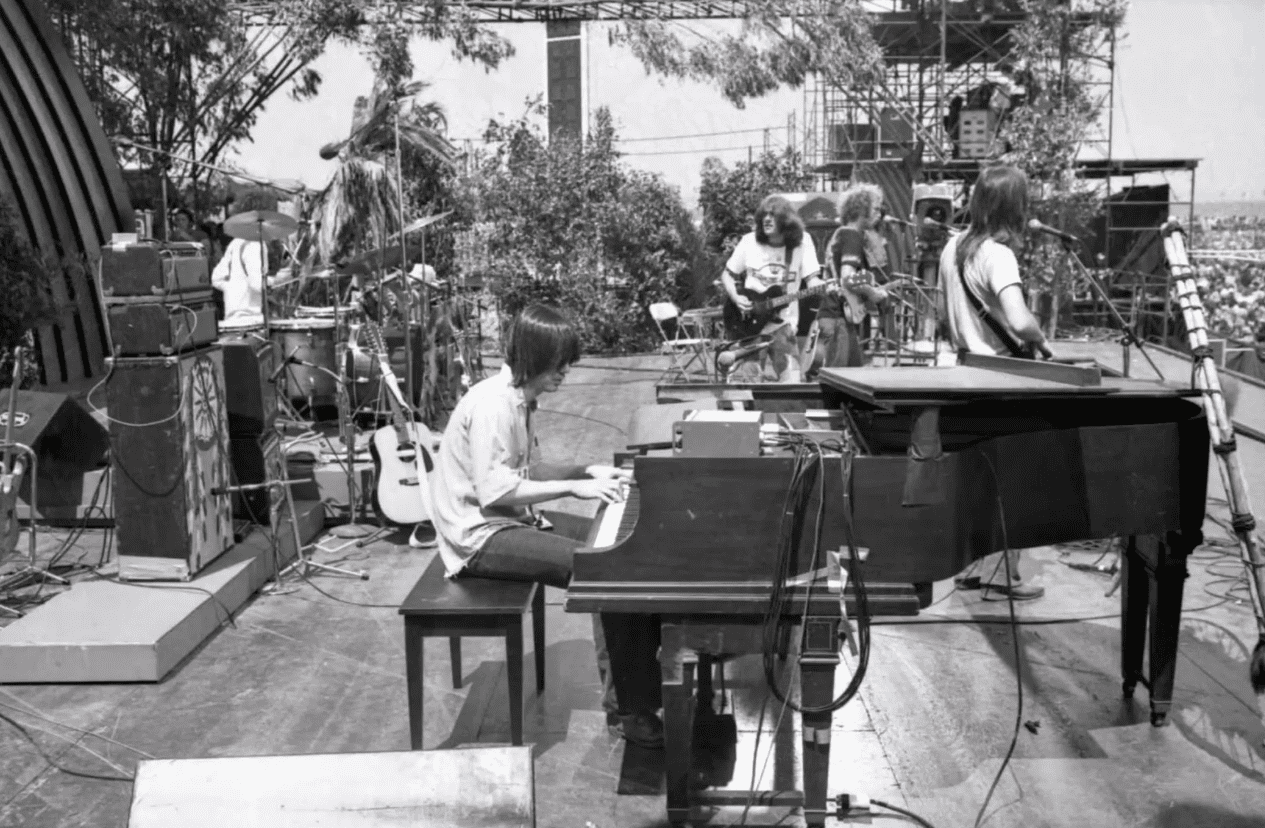
This rock music festival is also known as Cal Jam. The event made history with 250,000 tickets sold. Headlined by renowned bands such as Deep Purple and Emerson, Lake & Palmer, this epic event took place on April 6, 1974, at the Ontario Motor Speedway in Ontario, California.
The high-profile music event was organized by ABC Entertainment (an American commercial broadcast television network), Sandy Feldman and Leonard Stogel.
During that period, California Jam accomplished impressive feats. They used the most powerful amplification system, attracted the highest number of paying attendees and generated astonishing profits.
The California Jam is considered to one of the last rock festivals. Furthermore, this music festival has also made history due to its remarkable organization and financial success.
The 1974 California Jam was hosted by New York-based DJ Don Imus.
The resounding comeback of California Jam II
Under the name California Jam II, the comeback took place on March 18, 1978. The music festival, produced by Leonard Stogel, Don Branker and Sandy Feldman, was held at the Ontario Motor Speedway.
Once again, the event shattered attendance records, drawing 350,000 music fans.
Wolf & Rissmiller Concerts organized the music festival in the genre of rock music and acid rock.
It’s worth mentioning that in 2013 Simon Robinson compiled and released a unique limited edition photo book entitled ‘Deep Purple at The California Jam’. This exclusive book, limited to 1,000 copies, features some copies signed by the band and purple vinyl. It was published by Rufus Stone Limited Editions.
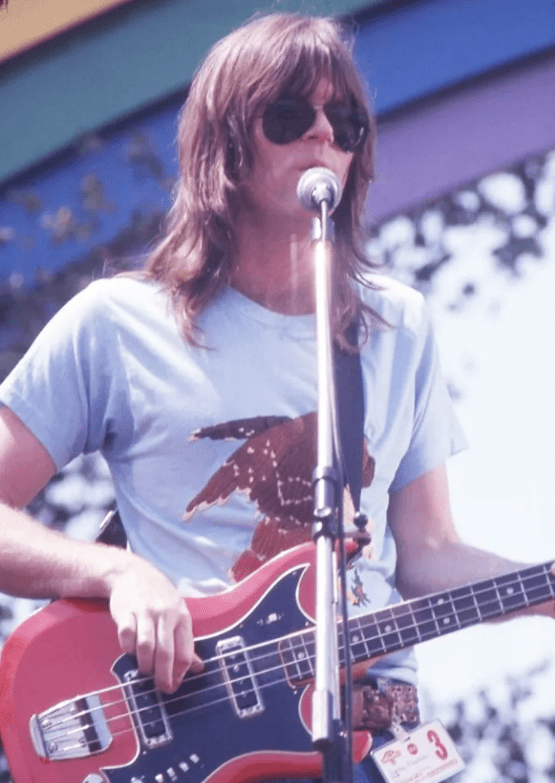
The US Festival
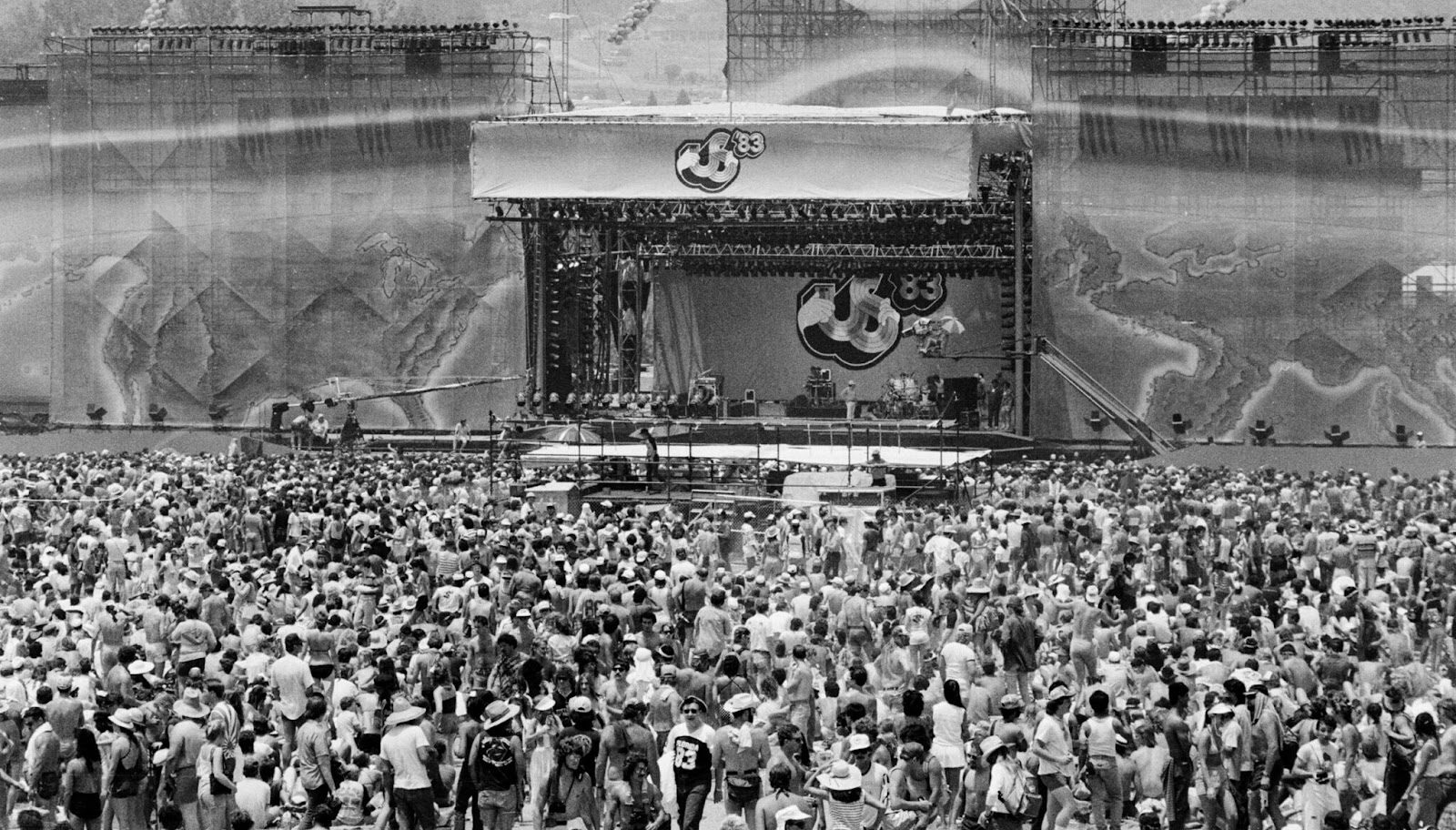
That was the name given to two large-scale and cultural events that took place near San Bernardino, California. The festivals were held in September 1982 (Labor Day weekend) and May 1983 (US Military Memorial Day weekend) at Glen Helen Regional Park.
They were founded by Steve Wozniak, co-founder of Apple, creator of the Apple I and Apple II personal computers, and Bill Graham, German-American impresario and rock concert promoter.
Steve Wozniak firmly believed that the 1970s were all about the “Me” generation, where people were focused on their individual qualities. Along with Bill Graham, he aimed to promote a more community-oriented approach in the 1980s by combining technology with rock music.
Desolation Center
In the early 1980s, punk rock achieved tremendous success. During this time, Stuart Sweezy, a DIY promoter, aimed to remove the homegrown movement from the confines of the city’s nightclub scene. This decision was driven by a desire to distance themselves as much as possible from the police, who were actively trying to dismantle it.
It resulted in the creation of the Desolation Center, a series of nomadic events that occurred in the Mojave Desert from 1983 to 1985. Even today, locals still recall how hundreds of punks would travel in rented school buses, transforming into guests at clandestine parties.
Minor issues arose during the shows, but the resourcefulness of the punks quickly resolved them:
- School buses were parked behind the musicians to shield them from the wind, creating a windbreak.
- When the wind blew into the microphones, the inventive punks covered them with their socks.
- When the generator ran out of fuel, one of the guitarists offered fuel from one of the buses to keep the party going.
The list goes on and on, as the city stands as a collection of talented, unrestrained and creative people. These are just a few of the high-profile music festivals that have taken place in Los Angeles and lived up to history.