

It is one of the most prominent festival and educational initiatives dedicated to LGBTQ+ cinema and queer storytelling in the United States. What began as a grassroots effort within the UCLA film community has evolved into a major nonprofit organization. Today, Outfest functions as a vibrant ecosystem for creators—helping emerging filmmakers develop projects, connect with industry insiders, gain mentorship, and build an audience. Each year, its educational programs reach more than 100 artists, while its screenings showcase over 300 films and draw roughly 50,000 attendees. Read more on los-angeles.pro.
How Did Outfest Begin?
The story of Outfest began on the campus of the University of California, Los Angeles. In 1982, the university hosted the first screenings that would lay the groundwork for the organization. The emergence of the festival stemmed from the LGBTQ+ community’s urgent need for a safe space to gather, watch movies, and champion storytellers exploring queer lives.
In early 1980s America, this was about much more than just cinema. LGBTQ+ characters and narratives were largely relegated to the fringes of mainstream culture, leaving independent filmmakers with few venues to showcase their work. Launching the festival in Los Angeles carried a dual significance: it served as both a cinematic platform and a catalyst for community building. Over four decades later, Outfest has expanded its scope, formats, and programming, yet its core mission remains steadfast: uplifting LGBTQ+ stories and the creators behind them.
Why Is Outfest Vital for Emerging Filmmakers?
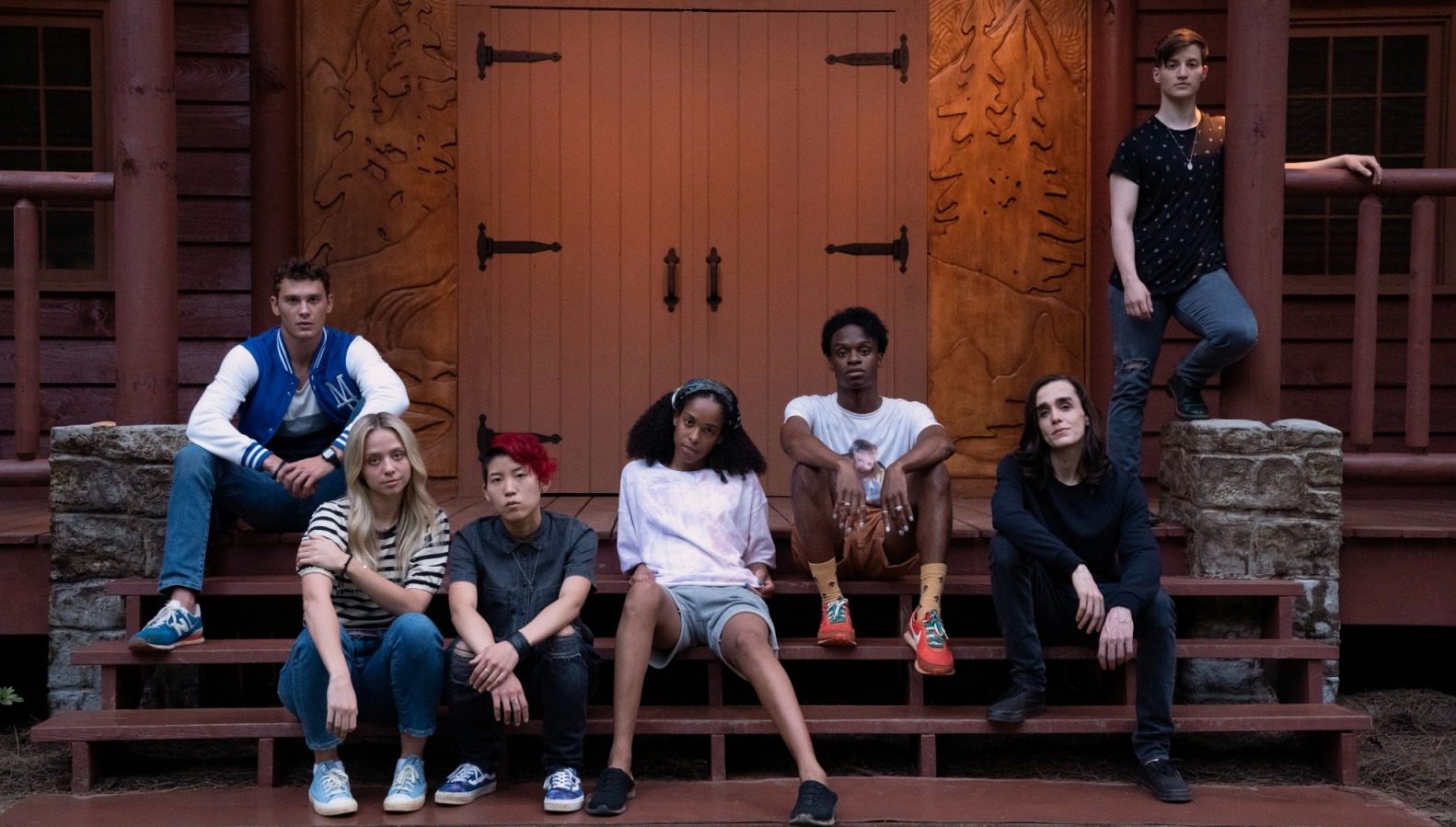
For an emerging director, making a film is only half the battle. Securing producers, landing funding, pitching, crafting a festival run, navigating distribution, and networking can prove just as daunting. Outfest tackles these challenges head-on. For instance, the Outfest Screenwriting Lab focuses on writer development, pairing participants with industry mentors and practical workshops.
Another cornerstone initiative is OutSet: The Young Filmmakers Project, geared toward LGBTQ+ storytellers aged 16 to 24. Through hands-on workshops, one-on-one mentorship, and direct production experience, participants hone their craft. Outfest provides a nurturing environment where young filmmakers can seamlessly transition from their first short film to full-fledged professional productions.
A vital pillar of the organization is the Outfest Fusion QTBIPOC Film Festival. Founded in 2004, Fusion spotlights queer and trans stories by and about people of color. The program goes beyond mere on-screen representation: it focuses on who is telling the story, the cultural perspectives behind the lens, the creator’s identity, and the rich diversity of queer narratives.
The Outfest Producers Lab marked another major step forward. Launched in 2026 as a five-day intensive for next-generation LGBTQ+ producers, the program pairs participants with seasoned executives to refine project development, sharpen production skills, master pitching and financing, and navigate post-production and distribution.
Preserving LGBTQ+ Film History
In 2005, Outfest teamed up with the UCLA Film & Television Archive to establish the Outfest UCLA Legacy Project for LGBTQ Moving Image Preservation. Its mission is to collect, preserve, restore, and provide researcher access to materials documenting the queer history of film and television.
Boasting more than 42,000 items, it stands as the world’s largest publicly accessible archive of LGBTQ+ moving images. The collection spans feature films, shorts, television broadcasts, experimental work, activist footage, commercials, music videos, and other audiovisual assets. For queer history, this archival effort is invaluable. Celluloid film, videotapes, and magnetic media inevitably deteriorate over time; without active preservation and restoration, crucial films and historical records would be lost forever.
From Indie Cinema to Hollywood
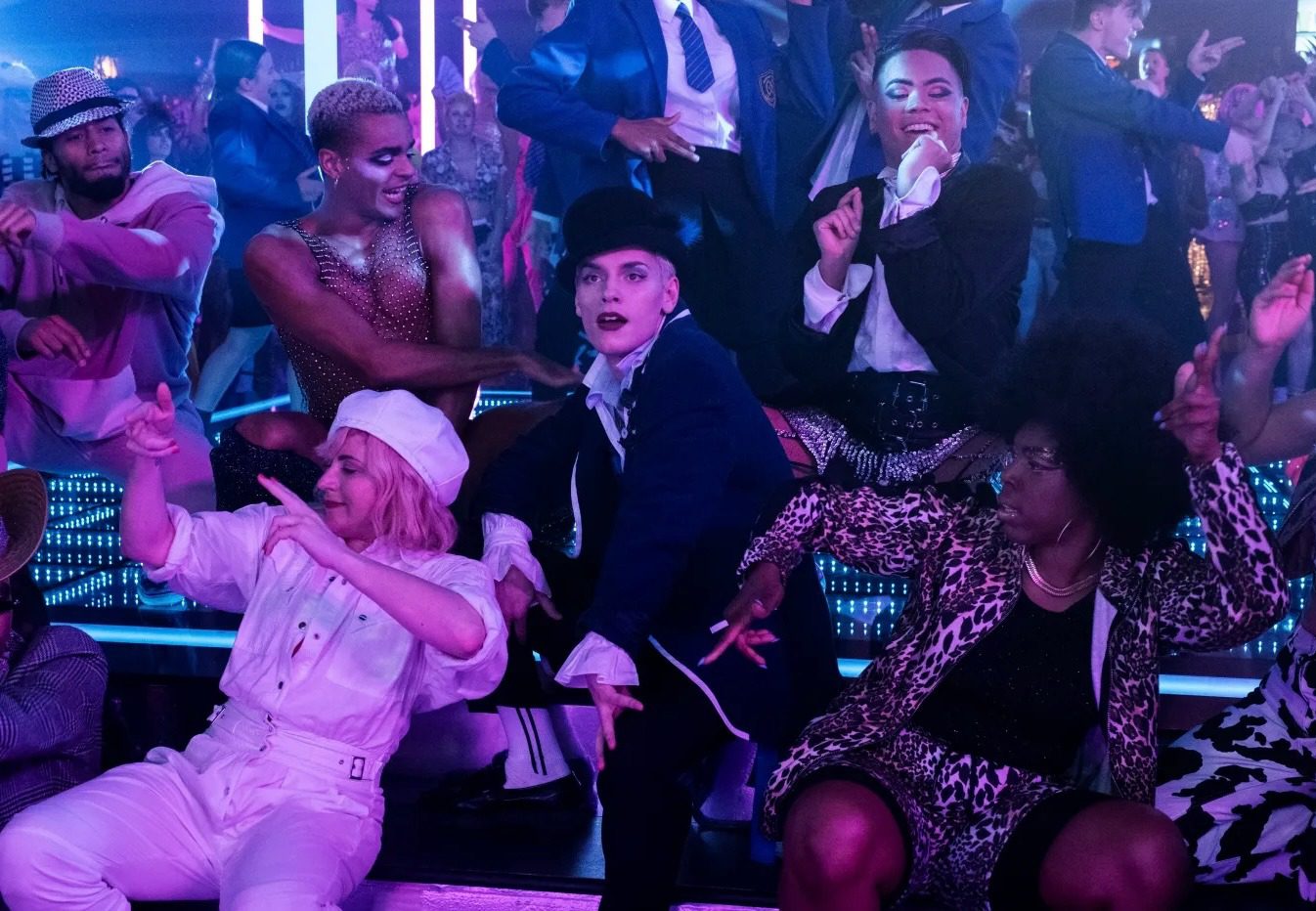
One of Outfest’s most compelling traits is how seamlessly it connects indie cinema with Hollywood’s studio machinery. Los Angeles is far more than just a festival backdrop—it is the beating heart of the global film industry. Throughout its run, Outfest venues have welcomed, spotlighted, and celebrated industry trailblazers.
Notable figures associated with Outfest’s history and programming include Tom Hanks, Rita Moreno, Laverne Cox, Michaela Jaé Rodriguez, Hilary Swank, and Victoria Alonso, alongside many other prominent industry voices.
A standout chapter in the organization’s history is the Outfest Legacy Awards. Established in 2000 as the Screen Idol Awards to recognize standout performances in LGBTQ+ roles, the honors quickly expanded. Over time, the annual gala evolved into a premier fundraiser for the Outfest UCLA Legacy Project before being renamed the Legacy Awards in 2014.
Financial Challenges
The festival’s journey hasn’t been without turbulence. Over the years, Outfest faced severe financial and operational hurdles. In 2024, the organization paused programming to restructure its operating model and stabilize its finances. In a 2025 statement, Outfest cited soaring production costs, the fallout from the dual WGA and SAG-AFTRA strikes, and a pull-back in corporate funding for LGBTQ+ causes. By 2025, recovery efforts were well underway, and by 2026, the organization was once again expanding its slate.
In 2026, one of Outfest’s flagship formats was OutfestNEXT, unveiling 20 curated programs featuring narrative and documentary features and shorts dedicated to queer and trans storytelling.
Why is Outfest celebrated as a talent incubator for Hollywood? The answer lies in its structure. Outfest is far more than a single festival week. It walks alongside filmmakers at every turn—from emerging creators finding their voice to seasoned pros developing bold projects. The festival delivers an audience; the labs provide masterclasses and mentors; the industry mixers build lasting networks. As a result, Outfest serves as a true career launchpad. Independent filmmaking becomes an R&D lab for fresh perspectives, while the festival gives those ideas the audience, connections, and momentum they need to break into the Hollywood mainstream.
Over the past 40 years, the festival has evolved from a student screening series into a world-renowned institution bridging culture, education, career development, and archival preservation. Perhaps Outfest’s greatest legacy isn’t measured solely by film counts or accolades. Its true impact lies in fostering a community where LGBTQ+ directors, screenwriters, producers, and actors can tell authentic stories, find an audience, and chart their own path forward.