

This is an annual, free jazz festival in Los Angeles, taking place in the southern part of the city on the last weekend of July. The event has grown into one of California’s most significant cultural initiatives, seamlessly blending music, history, and community. The festival spans several blocks of Central Avenue, just south of Martin Luther King Jr. Boulevard. Read more on los-angeles.pro.
The Heart of African American Los Angeles
The history of Central Avenue is deeply intertwined with the growth of the African American community in Los Angeles. In the early 20th century, this area emerged as a vibrant hub of life, business, and culture. By the 1930s and 1940s, Central Avenue had evolved into the West Coast’s premier jazz district. A bustling network of clubs, music venues, and cultural spaces shaped the iconic West Coast Jazz scene here. Despite the restrictive housing covenants and discriminatory practices of the era that limited where African Americans could live, Central Avenue flourished as a sanctuary of cultural progress and musical freedom.
During this golden era, numerous jazz clubs thrived in the district, including legendary venues that hosted luminaries like Duke Ellington, Billie Holiday, and other jazz greats. Traveling musicians frequently stayed at the Dunbar Hotel, which served as a vital cornerstone of cultural life. Far more than just a hotel, it was a gathering place for the African American elite and creative minds. Within its walls sat the famous Club Alabam, a late-night hotspot where the country’s leading jazz performers played into the early morning hours.
This neighborhood became an essential chapter in the history of Los Angeles jazz, serving as an incubator for raw improvisation, creative collaborations, and the birth of new musical styles. Surrounding the Dunbar Hotel was a constellation of other jazz and blues spots, cementing Central Avenue’s reputation as the epicenter of the city’s nightlife.
The Origin of the Central Avenue Jazz Festival
The Central Avenue Jazz Festival was established in the mid-1990s as a cultural initiative to preserve the rich historical heritage of the Central Avenue corridor. It was created to keep the memory of the legendary jazz era alive, support local culture, and inspire new generations of musicians.
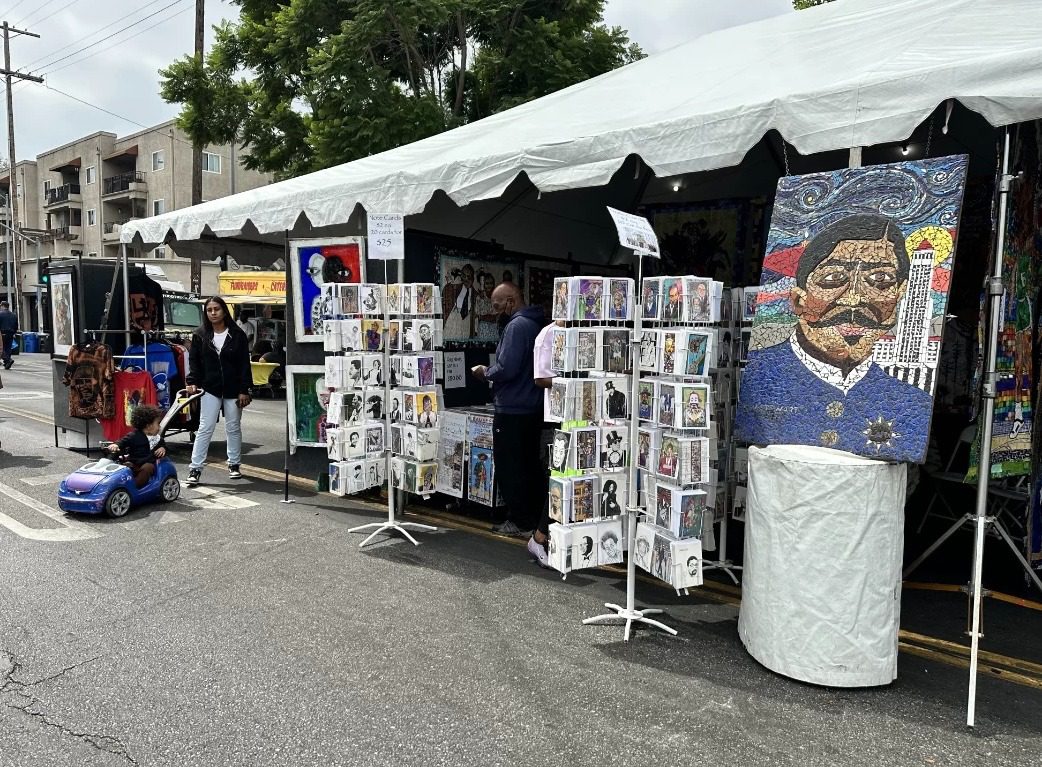
The festival is held as a vibrant, open-air street celebration. Set across several blocks in South Los Angeles, the event features multiple stages and themed zones. The festival grounds host live music, food vendors, art pavilions, and booths for community organizations. A defining characteristic of the event is its resistance to over-commercialization, allowing it to maintain the warm, authentic spirit of a neighborhood celebration.
The organizational structure of the festival relies on a solid partnership between the City of Los Angeles, local non-profits, and cultural institutions in South Los Angeles. Formally, it is executed as a municipal cultural project under art support programs coordinated by the City of Los Angeles Department of Cultural Affairs.
Securing municipal permits to use public space is a crucial component of the planning process. Because the festival takes place directly on the streets of Central Avenue, organizers coordinate road closures, stage setups, and utility infrastructure with city departments. The Los Angeles Department of Transportation (LADOT) and the Los Angeles Police Department (LAPD) are heavily involved, managing logistics, safety, and traffic control during the event. The festival’s physical infrastructure meets the rigorous standards required for large-scale city events. The grounds are fully accessible to individuals with disabilities, strictly adhering to the Americans with Disabilities Act (ADA) requirements. Temporary stages, professional sound and lighting systems, first-aid stations, and visitor information booths are deployed across the site, with security efforts tightly integrated with city emergency response teams.
The festival’s financial framework is built on a mixed funding model. It is supported by city arts grants, private corporate sponsorships, and joint initiatives with cultural foundations. This approach mirrors the broader public-private partnership model common among major community festivals and public events throughout Los Angeles.
The Musical Program
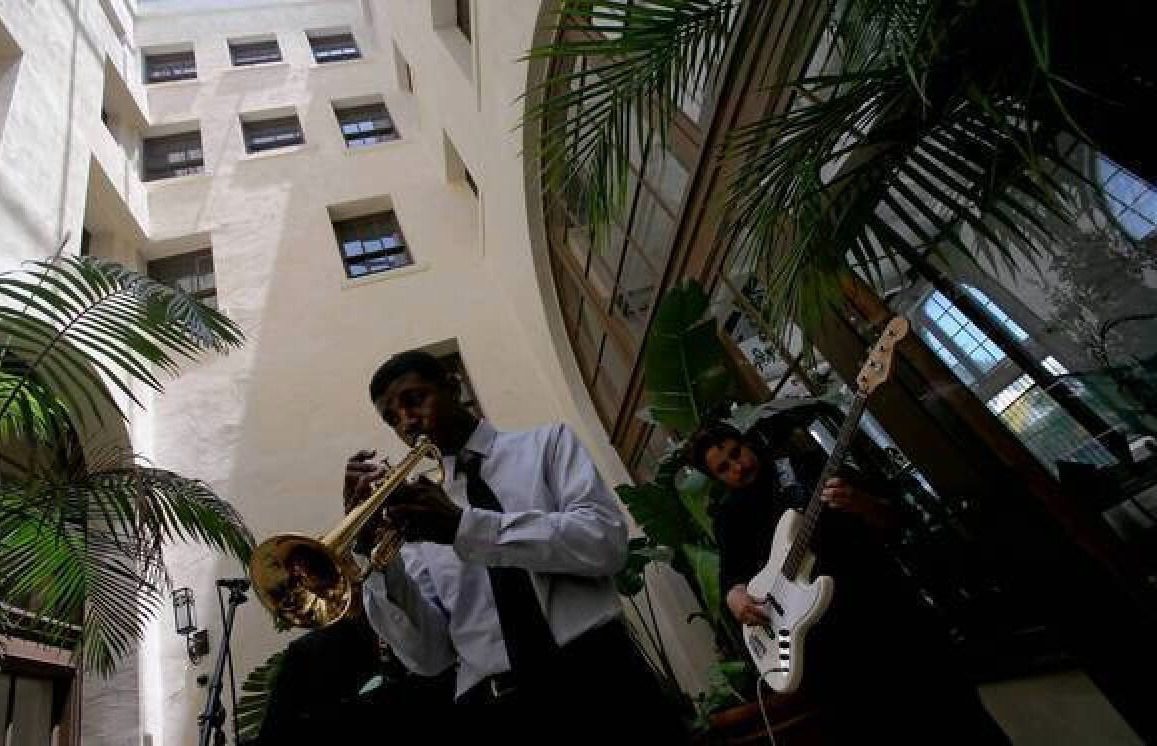
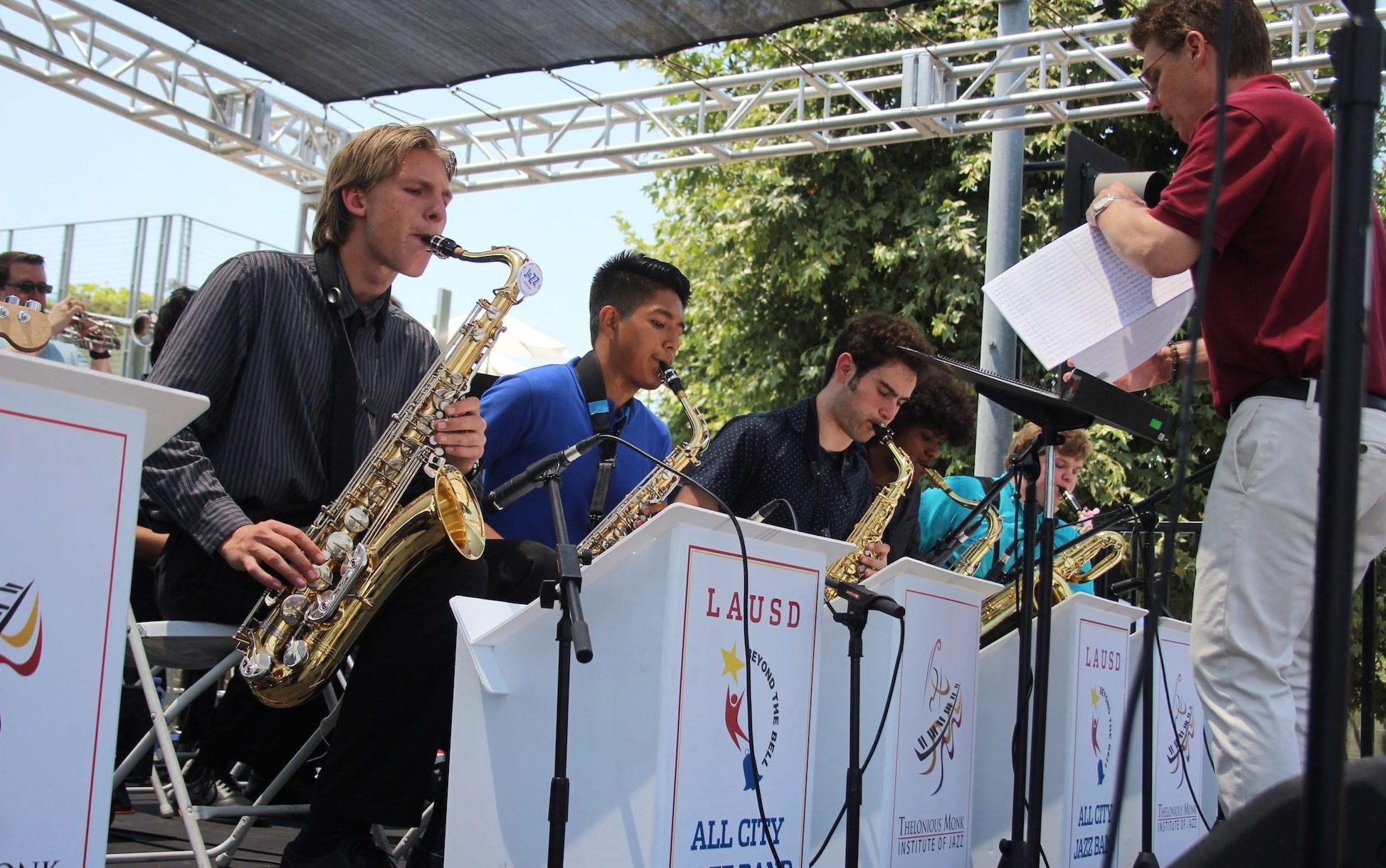
The Central Avenue Jazz Festival traditionally showcases a wide array of musical genres, ranging from classic jazz and blues to Latin jazz and cutting-edge experimental sounds. The event is celebrated for booking established icons alongside rising talents. Over the years, its stages have featured local Los Angeles jazz legends as well as young up-and-comers just starting their careers. Organizers pay special attention to student musicians from local schools and youth arts programs, highlighting the festival’s deep commitment to music education. Performances and key moments are regularly recorded for municipal archives and cultural preservation programs, documenting the evolving state of the Los Angeles jazz scene. These recordings are frequently utilized for educational and research purposes, particularly in programs dedicated to the rich history of African American music.
The festival programming includes masterclasses for young instrumentalists, meet-and-greets with veteran performers, and showcases by local music academies. Cultural institutions in the area play an active role in shaping the event’s historical depth. Prominent among these is the California African American Museum, which supports ongoing research and public appreciation of Central Avenue’s legacy. Collaborations with organizations like this allow historical context to be woven naturally into the modern festival experience.
The festival serves as a vital anchor for preserving African American cultural history in Los Angeles. It does more than just celebrate jazz; it stands as an active reminder of Central Avenue’s status as a formidable 20th-century cultural powerhouse. The event also fosters strong social bonds, uniting the neighborhood and uplifting local community-driven initiatives. Furthermore, several associated projects focus on the preservation and restoration of historic landmark buildings in the area.
The Pivotal Role of the Dunbar Hotel
The historic Dunbar Hotel remains one of the festival’s most prominent focal points, serving as a physical monument to the Golden Age of West Coast Jazz. It regularly hosts select performances and historical lectures dedicated to the musicians who made Central Avenue famous. The hotel is a key stop on local cultural tourism routes and is officially designated as a Historic-Cultural Monument by the City of Los Angeles.
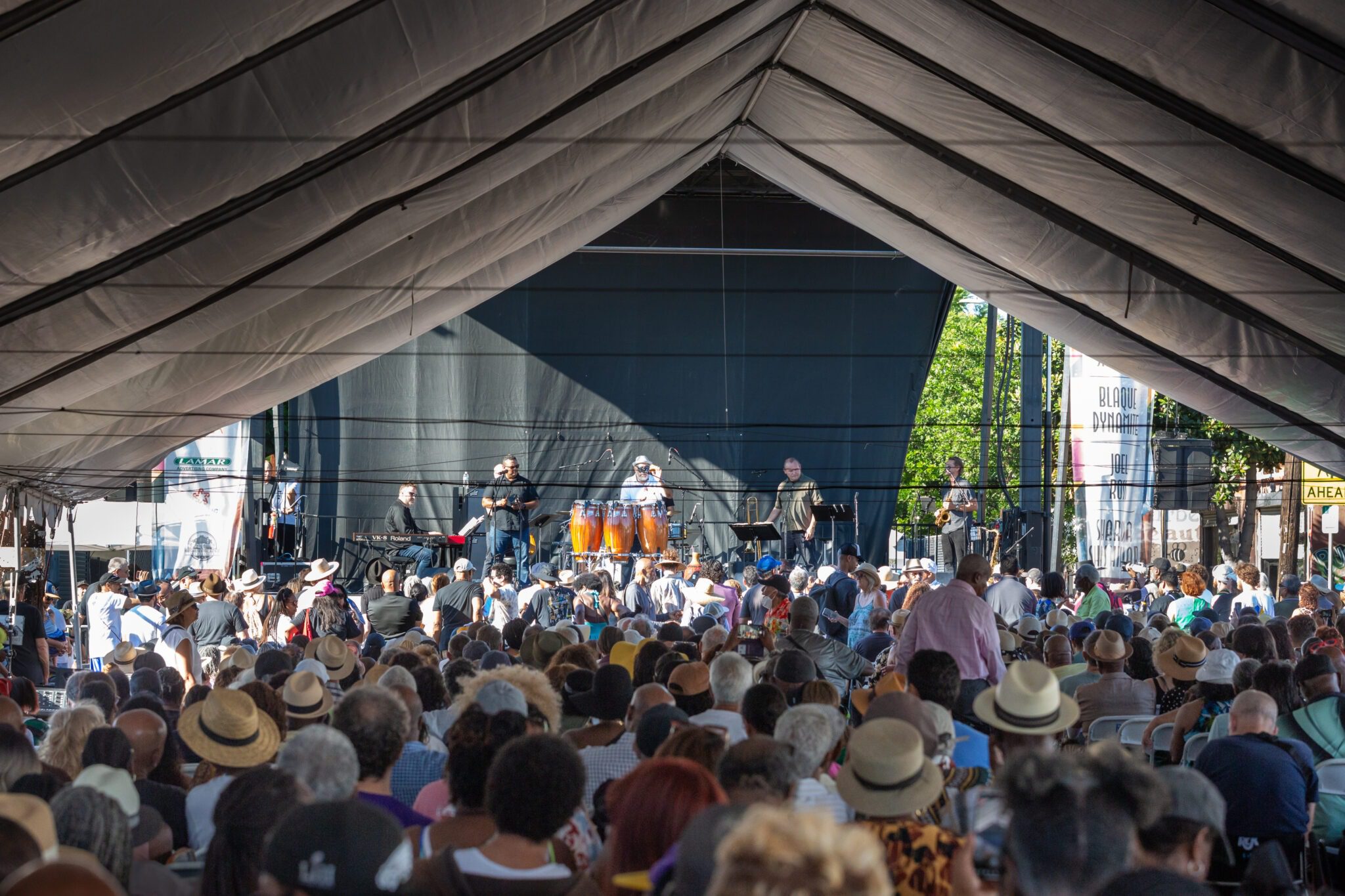
Ultimately, the festival functions as far more than just a music event; it acts as a comprehensive urban platform that links municipal cultural policy, historical preservation, educational outreach, and localized economic development.
The Central Avenue Jazz Festival continues to be a cornerstone of the Los Angeles cultural calendar, attracting thousands of attendees each year. Organizers continue to build upon its educational programming, actively engaging local public schools, youth music projects, and African American cultural institutions. In doing so, the festival remains a model of how grassroots cultural preservation can be integrated into civic governance while celebrating and maintaining the rich historic identity of South Los Angeles.