

This is one of the most famous and influential film studios in cinematic history. It has evolved from a classic 1930s Hollywood powerhouse into a modern division of Walt Disney Studios. Over the decades, it has successfully preserved its creative legacy, recognizable style, and global influence. Read more on los-angeles.pro.
Today, search queries like “20th Century Fox history,” “20th Century Studios movies,” “Disney buys Fox,” or “biggest movie studios in the world” point directly to this company. Its catalog features dozens of iconic franchises and films that have become deeply embedded in global cultural heritage. So, how has it managed to stay so competitive for nearly a century?
Building a Studio Empire
The studio’s story officially began on May 31, 1935, with the merger of the Fox Film Corporation and Twentieth Century Pictures. The resulting Twentieth Century-Fox Film Corporation quickly emerged as a key player during Hollywood’s Golden Age, taking its place as a proud member of the “Big Five” studios. From its earliest days, the company pioneered the studio system model. This approach relied on long-term star contracts, centralized production, and complete control over the entire filmmaking process—from script development to theatrical release.
Throughout the 1930s and 1940s, the studio expanded rapidly, establishing its own “star-making machine.” During this era, it signed actors who would eventually become absolute legends of American cinema. The company invested heavily in massive musicals, gripping dramas, and Broadway adaptations. During World War II, the demand for entertainment skyrocketed, allowing the studio to become one of the most profitable media companies in the U.S. Outpacing many competitors, it firmly secured its spot as Hollywood’s third-largest studio.

Technological Innovations
After the war, the film industry faced a steep decline in theater attendance due to the rapid rise of television. In response, the studio made a strategic bet on technological innovation. A major breakthrough was the introduction of CinemaScope—an innovative widescreen format that allowed for larger, more spectacular images without the need for complex 3D systems. The premiere of The Robe marked the dawn of a new cinematic era. This bold move not only brought audiences back to theaters but also forced competing studios to adopt the new standard, establishing 20th Century Fox as a technological pioneer in the industry.
In the 1960s, however, the company ran into severe financial trouble. Sky-high budgets, complicated production processes, and management missteps led to massive losses. The most notorious example was the exorbitantly expensive Cleopatra, whose budget ballooned far beyond initial estimates. This critical period forced the studio to sell off assets and drastically slash costs. Yet, this very crisis became a powerful catalyst for reforming the business model and completely overhauling the management structure.
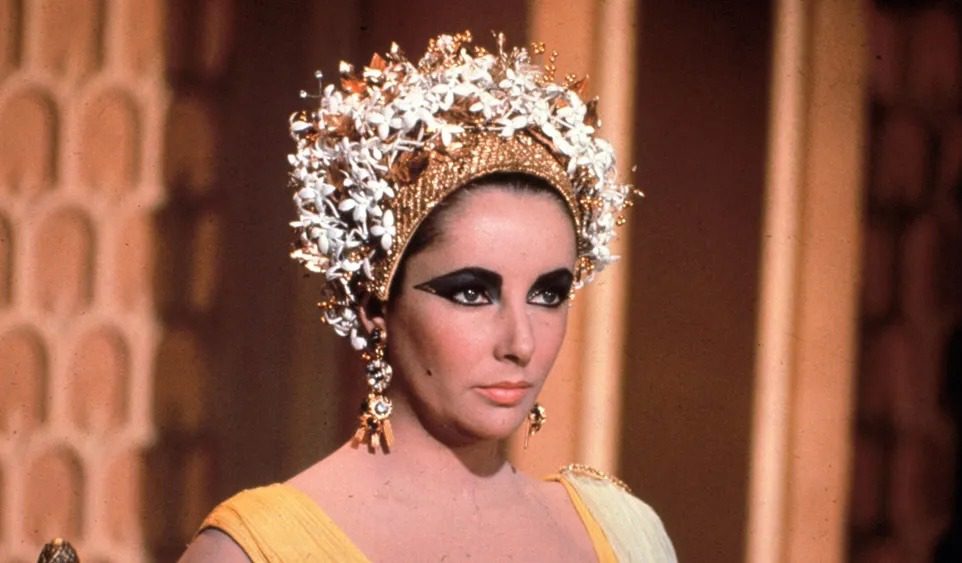
Following a deep restructuring, the studio returned to profitability. In the 1960s and 1970s, it released a string of highly successful films, including grand historical epics, musicals, and bold sci-fi projects. A standout success was The Sound of Music, which became a global phenomenon and swept numerous awards, including the Oscar for Best Picture.
The Blockbuster Era
The 1970s through the 1990s ushered the studio into the modern blockbuster era. This period marked the birth of the contemporary Hollywood business model, driven heavily by massive franchises. The studio produced and distributed an array of iconic properties, including:
- the original films of the Star Wars universe;
- the X-Men franchise;
- the Alien and Predator series;
- Die Hard;
- Planet of the Apes;
- Ice Age;
- Avatar.
These films were much more than just commercial hits. They became true cultural phenomenons, shaping the pop culture landscape for multiple generations.
From the 1980s through the 2000s, the company aggressively expanded its media footprint. It ramped up its television division, animation studios, international distribution networks, and digital branches. Dedicated subsidiaries were created for various content formats, ranging from family-friendly movies to indie films and animated features. This allowed the company to reach highly diverse audiences and solidify its global dominance.

Brand Transformation
In 2019, the media world witnessed one of the biggest deals in its history: The Walt Disney Company acquired the majority of 21st Century Fox’s assets. Once the deal was finalized, the studio was rebranded as 20th Century Studios. This decision was formally implemented in 2020 to prevent any confusion with the Fox Corporation, which remained an independent entity. Despite the name change, the studio retained its legendary logo, its famous fanfare, and its rich creative legacy.
Today, 20th Century Studios stands as a core film division within Disney, alongside Walt Disney Pictures, Marvel Studios, and Lucasfilm. The studio continues to churn out major film franchises, original projects, and streaming content for platforms like Disney+ and Hulu. Its movies still enjoy global theatrical releases, keeping the studio at the forefront of the international film market.
Impact on the Global Film Industry
The uniqueness of 20th Century Studios lies in its remarkable ability to adapt to industry disruptions for nearly a hundred years. From classic Hollywood to the digital age, the studio has maintained its central role in shaping mass entertainment.
Its key strengths include:
- a long-standing history of continuous film production;
- the creation and expert expansion of iconic franchises;
- technological innovations in filmmaking;
- a massive global distribution network;
- successful integration into the Disney empire without losing its identity.
20th Century Studios stands out among its Hollywood peers for its seamless blend of classic traditions and modern business strategies. For decades, the studio has delivered movies that don’t just capture the masses but create genuine cultural milestones. Its projects span a wide array of genres—from sweeping historical dramas to groundbreaking sci-fi—allowing it to captivate a highly diverse global audience.
Another hallmark of the studio is its strategic approach to content. Building franchises with long-term potential has guaranteed steady commercial success. Expansive cinematic universes like Avatar, X-Men, and Planet of the Apes form the bedrock of today’s blockbuster market. These projects benefit from massive investments in cutting-edge visual effects, continuously setting new quality standards for the entire industry. After joining the Disney family, the studio preserved its creative independence while gaining access to boundless distribution and production resources. In an era fiercely competitive with streaming platforms and digital media, this move only made its position stronger.
The history of 20th Century Studios is a textbook example of how a classic Hollywood powerhouse can transform itself to stay relevant decade after decade. From its merger back in 1935 to its integration into Disney in the 21st century, the company has navigated a path of innovation, crises, rebirths, and global triumphs. Today, it remains one of the world’s most vital content creators, continuing to write the history of modern cinema.