

AFI Fest is an annual international film festival hosted by the American Film Institute (AFI) in Los Angeles. Over the years, it has become a cornerstone of the American film industry and a vital launchpad for global indie and festival cinema. The festival’s history is deeply rooted in the American Film Institute’s core mission. Since 1967, AFI has been dedicated to preserving America’s film heritage, advancing moving image education, and championing the next generation of filmmakers. Read more at los-angeles.pro.
Founding the Festival
The roots of AFI Fest trace back long before its official launch. In the 1970s, Los Angeles was home to an influential cinematic event called Filmex (the Los Angeles International Film Exposition). Filmex served as a crucial Western alternative to the dominant European and Eastern festivals of the era. However, as time went on, the showcase required institutional backing and a fresh cultural vision. The American Film Institute stepped in to create its own festival—one that aligned perfectly with its mission to celebrate film as an art form and preserve cultural heritage.
AFI Fest officially launched in 1987 when the American Film Institute revamped Filmex, transforming it into a brand-new international festival in Los Angeles. The inaugural festival set out with clear goals:
- Showcase the finest films from around the globe
- Champion independent cinema
- Foster a dynamic dialogue between filmmakers and audiences
- Solidify Los Angeles’ status as the film capital of the world
During its early years, AFI Fest bounced between various venues across Los Angeles, gradually carving out its identity as a premier hub for arthouse and festival films.
Growth and Evolution
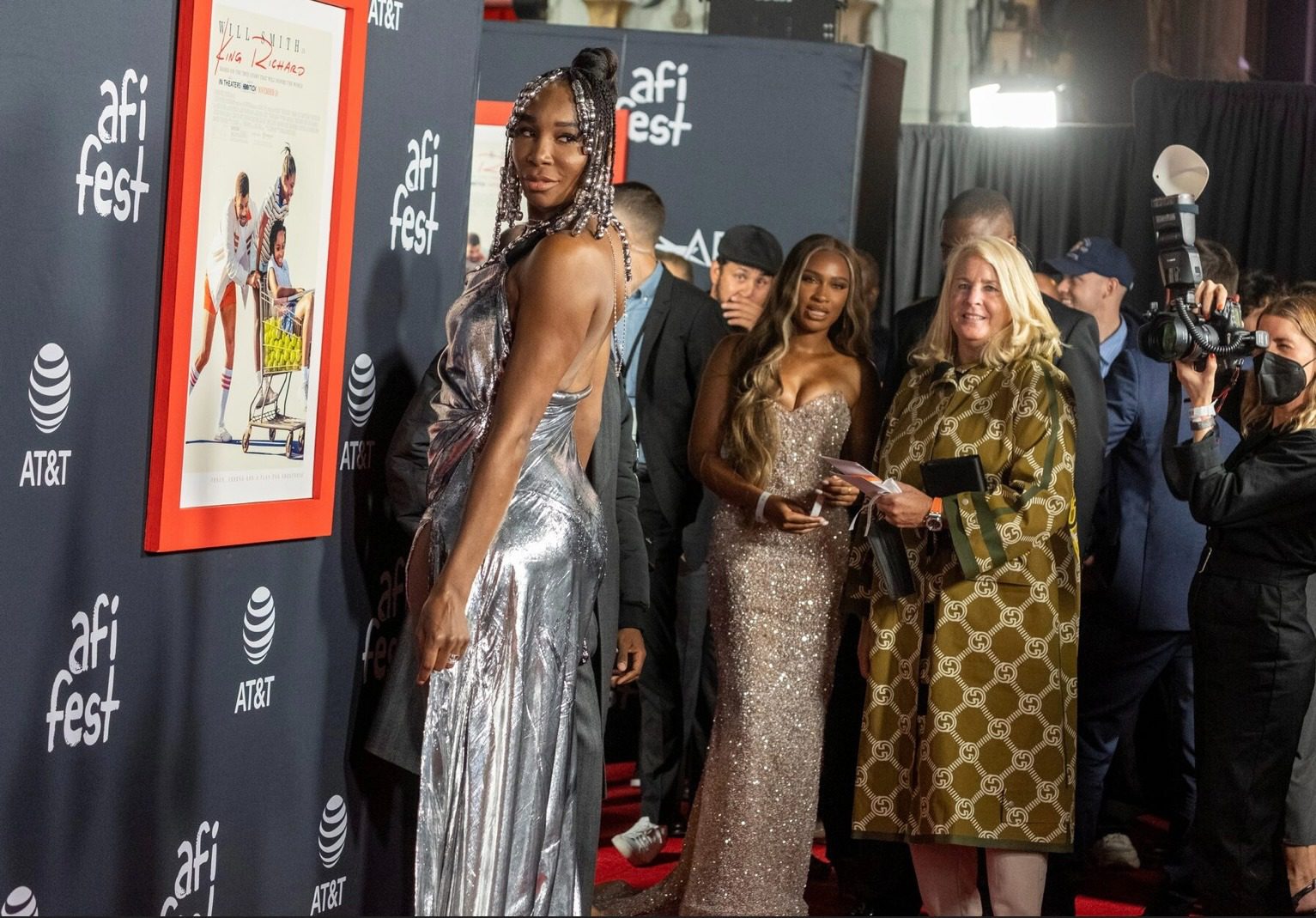
In the 1990s, AFI Fest aggressively expanded its programming. The festival became a fixture of the fall film calendar and earned a reputation for discovering exciting new voices in world cinema.
It was during this period that the festival’s core sections took shape:
- Feature film premieres
- Documentaries
- Independent features
- Short films
AFI Fest also began drawing high-profile international directors, quickly becoming a critical stepping stone for movies on their way to Academy Award nominations.
By the 2000s, AFI Fest had cemented its status as one of the most prestigious film festivals in the country. A major milestone came when the event became an Academy Award-qualifying festival for the Short Films category, significantly boosting its international standing. Around this time, the festival made its screenings free to the public, increased its slate of world premieres, expanded its educational programs, and deepened its ties with the Academy of Motion Picture Arts and Sciences. AFI Fest was no longer just showing movies—it was shaping industry trends.
AFI Fest Today
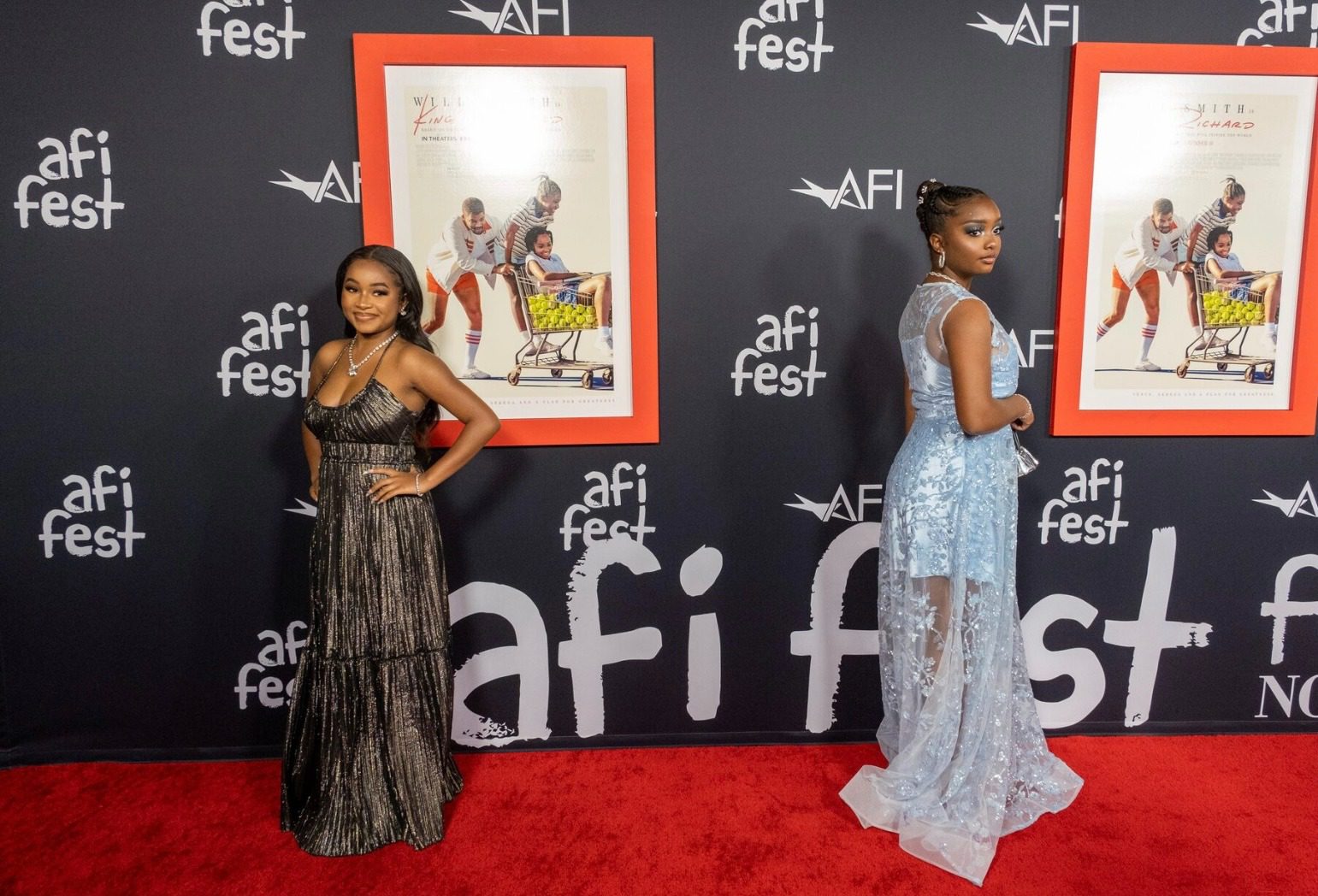
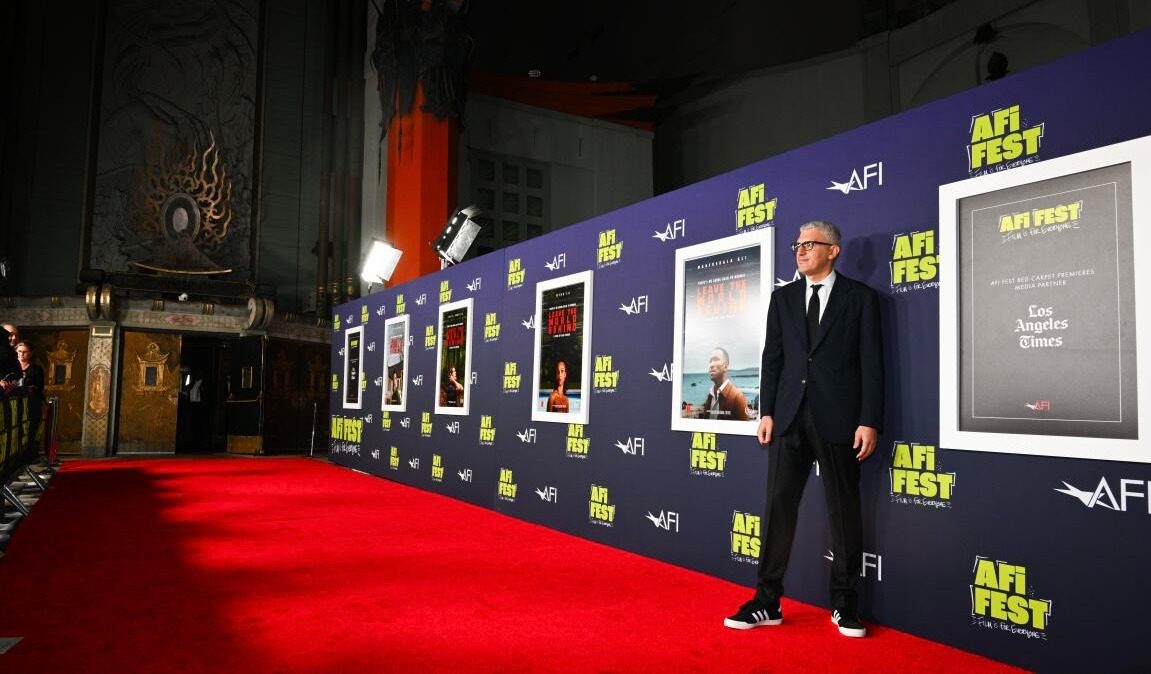
Today, AFI Fest in Los Angeles is a multi-day international celebration featuring world and US premieres, high-profile red carpet galas, documentaries, indie films, shorts, special screenings, and panels. Held in the heart of Hollywood, it draws top-tier directors, actors, and producers every year. Remarkably, AFI Fest remains one of the few major film festivals that offers free tickets to the public.
What truly sets AFI Fest apart is its timing. Positioned late in the calendar year, it unfolds just as the awards season frontrunners emerge. This makes the festival’s premieres a crucial stop on the “Oscar campaign trail.” Films debuted here routinely go on to score Academy Award nominations, SAG and DGA nods, critics’ choice prizes, and top international honors.
Notable Alumni and Highlights
One of the most talked-about films to make waves at AFI Fest was Adam McKay’s “The Big Short.” The film offers a sharp look at the 2008 global financial crisis and the triggers that brought down the world economy. Following its AFI Fest screening, the movie won over critics and became a major Oscar contender, praised for its unique blend of documentary-style filmmaking, sharp satire, and high-stakes drama.
Noah Baumbach’s “Marriage Story” was another heavy hitter during the festival season lineup that includes AFI Fest. The film, which chronicles a couple’s grueling divorce and the emotional and legal chaos that follows, earned rave reviews for powerhouse performances by Adam Driver and Scarlett Johansson. Its festival run quickly propelled it to the top of the Oscar and Golden Globe shortlists.
Peter Farrelly’s “Green Book” also shone brightly within the AFI festival circuit. Tracking the journey of an African-American pianist and his driver through the 1960s American South, the film captured the public’s heart and ultimately took home the Academy Award for Best Picture.
Few films made a splash quite like “La La Land” did during its festival circuit run. The movie became a global phenomenon, single-handedly reviving the classic musical genre for modern audiences. Its festival screenings generated massive buzz, leading to a record-tying number of Oscar nominations. Thanks to its striking visuals, Justin Hurwitz’s unforgettable score, and the undeniable chemistry between Ryan Gosling and Emma Stone, it became one of the defining films of the 2010s.
Steven Spielberg’s “The Fabelmans” stood out as one of the most highly anticipated screenings of its festival cycle. The semi-autobiographical feature explores a young boy’s upbringing and his burgeoning love for cinema. Critics widely praised the film for its warmth, emotional depth, and the intimate peek it offered into Spielberg’s own journey into Hollywood history.
“Call Me by Your Name” is another textbook example of festival-driven success. This poignant coming-of-age romance earned international acclaim following its run through the festival circuit, including AFI Fest. The film grew into a genuine cultural phenomenon and landed Timothée Chalamet his first Oscar nomination.
Jane Campion’s “The Power of the Dog” was also among the loudest buzzed-about premieres of its season. After a strong showing on the festival circuit, including spots at AFI Fest, the psychological drama established itself as an Oscar frontrunner, ultimately winning Campion the Academy Award for Best Director. The film is remembered for its rich psychological tension, layered characters, and atmospheric storytelling.
Florian Zeller’s “The Father” stands as one of the most powerful dramas to emerge from the festival cycle. The film drew immense praise for its innovative, disorienting portrayal of dementia and a masterclass performance by Anthony Hopkins. Following its festival run, the film earned Hopkins an Academy Award for Best Actor.
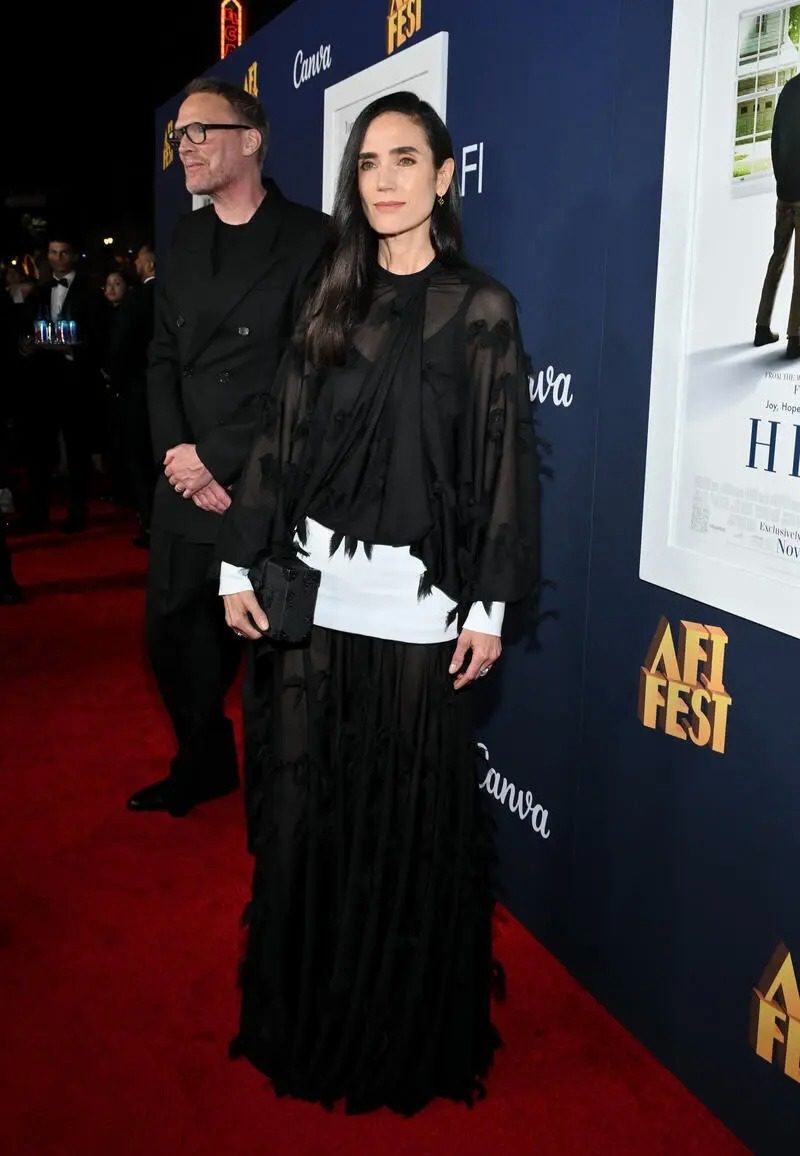
The story of AFI Fest is a prime example of how a localized cultural initiative can evolve into a world-class international film festival. From the relaunch of Filmex in 1987 to its current position as an indispensable stop in the awards season, AFI Fest has become synonymous with cinematic excellence and a vital hub for the global film industry. Year after year, the festival delivers on the American Film Institute’s core promise: celebrating motion pictures as an art form, preserving their legacy, and discovering the icons of tomorrow.