

Steven Spielberg is one of the most influential and successful film directors in Hollywood history. His films have shaped not only the global cinema industry but also the culture of several generations. He is the recipient of countless awards, including three Academy Awards and numerous other accolades that attest to his outstanding contribution to filmmaking. Steven Spielberg is more than just a director. He is a person who transformed the film industry by creating stories that remain relevant for generations. You can also find out how actor Bryan Cranston achieved success. Read more at los-angeles.pro.
Biography
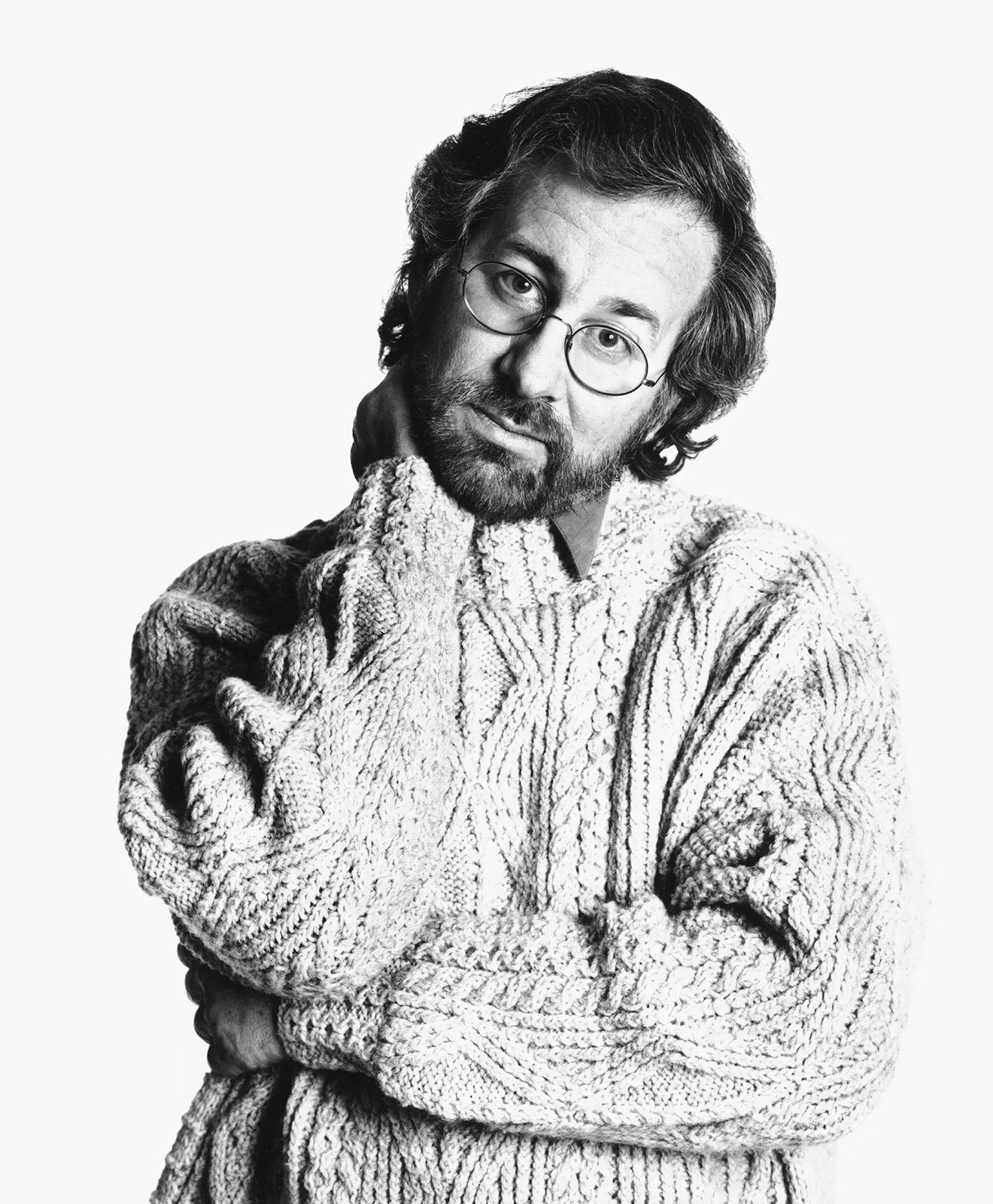
Steven Allan Spielberg was born on December 18, 1946, in Cincinnati, Ohio, U.S. He came from a Jewish family, and his grandparents were migrants from Ukraine. During the Holocaust, Steven’s father lost about 20 relatives. As a child, he experienced bullying at school from anti-Semitic peers. His main form of entertainment was watching television. However, this was not mindless “zoning out,” but rather studying the world of cinema. From childhood, he was fascinated by film and shot short films with an amateur camera. His talent was noticeable even in his teens when he got the opportunity to work at Universal Pictures studios. At age 12, Steven first presented his work to a jury. It was a 40-minute film, Escape to Nowhere, which won first place in a California amateur film competition. Three years later, Spielberg premiered his feature film, Firelight, in a city movie theater. This film about aliens starred his schoolmates, and Steven’s parents provided the funding. Despite his talent, Spielberg was rejected twice by the film school at the University of Southern California. The future director had to study at a technical college and make films in his spare time. The doors to Hollywood opened for Spielberg thanks to his short film Amblin’. Following its success, Universal Pictures offered Spielberg a contract to direct television series in 1969. In 1971, Spielberg directed his first television film, Duel, which garnered critical attention and paved his way to major motion pictures.
Personal Life
Steven met his first wife, Amy Irving, in 1976 on the set of Brian De Palma’s film Carrie. According to Brian, the director and actress fell in love at first sight. However, Steven did not rush to formalize the relationship. They married only a few years later. Amy gave birth to their son, Max. But the marriage was not happy, and they divorced. At that time, Spielberg began a relationship with actress Kate Capshaw. Amy took this opportunity and demanded $650 million—half of her husband’s fortune. The court ultimately awarded her $150 million. Spielberg subsequently married Kate. She had to give up her film career and focus on family. She gave birth to three children, and they adopted two more. Kate also has a daughter from her first marriage, whom Spielberg raises as his own.

The Director’s Most Famous Films
Steven Spielberg is known for his detailed approach to filmmaking. He thoroughly prepares for every project, starting with script analysis and subject research. Steven actively collaborates with screenwriters, adding his own ideas and improving the plot. During filming, he uses unique cinematography methods, including smooth camera movements and special frame compositions to enhance the emotional effect. Spielberg also pays special attention to editing and sound design, creating an atmosphere that immerses viewers in the story. He is famous for his ability to work with actors, helping them fully realize their roles. Regarding film themes, Spielberg loves to tell stories about the heroism of ordinary people in extraordinary circumstances. Steven conveys a childlike belief in wonder and goodness to adults. The director has many works related to extraterrestrial civilizations—and this is no coincidence, as he calls himself an “alien.” The director’s signature style includes handheld camera work, wide-angle lenses, extremely low and high angles, and long takes.
Spielberg became a symbol of blockbuster cinema and ushered in a new era of Hollywood. Among his most famous films are:
- Jaws (1975). The director’s first major success, which set new standards for thrillers and became the originator of the blockbuster genre;
- Close Encounters of the Third Kind (1977). This sci-fi feature brought the director international recognition;
- Raiders of the Lost Ark (1981). A classic of adventure cinema that launched an iconic franchise;
- E.T. the Extra-Terrestrial (1982). One of the highest-grossing films of the time, which won the hearts of audiences with its touching story;
- Schindler’s List (1993). A profound historical drama about the Holocaust, which brought Spielberg his first Oscar for Best Director;
- Jurassic Park (1993). A sci-fi hit featuring innovative special effects;
- Saving Private Ryan (1998). One of the most influential war films in cinematic history.
Spielberg is not just a director but also one of the founders of DreamWorks studio, which plays an important role in modern cinema. He promoted the development of technology in film, using advanced special effects and innovative approaches to shooting. His style combines spectacle with deep human emotions. You can also learn how Johnny Depp made his mark in Hollywood.
Awards and Honors
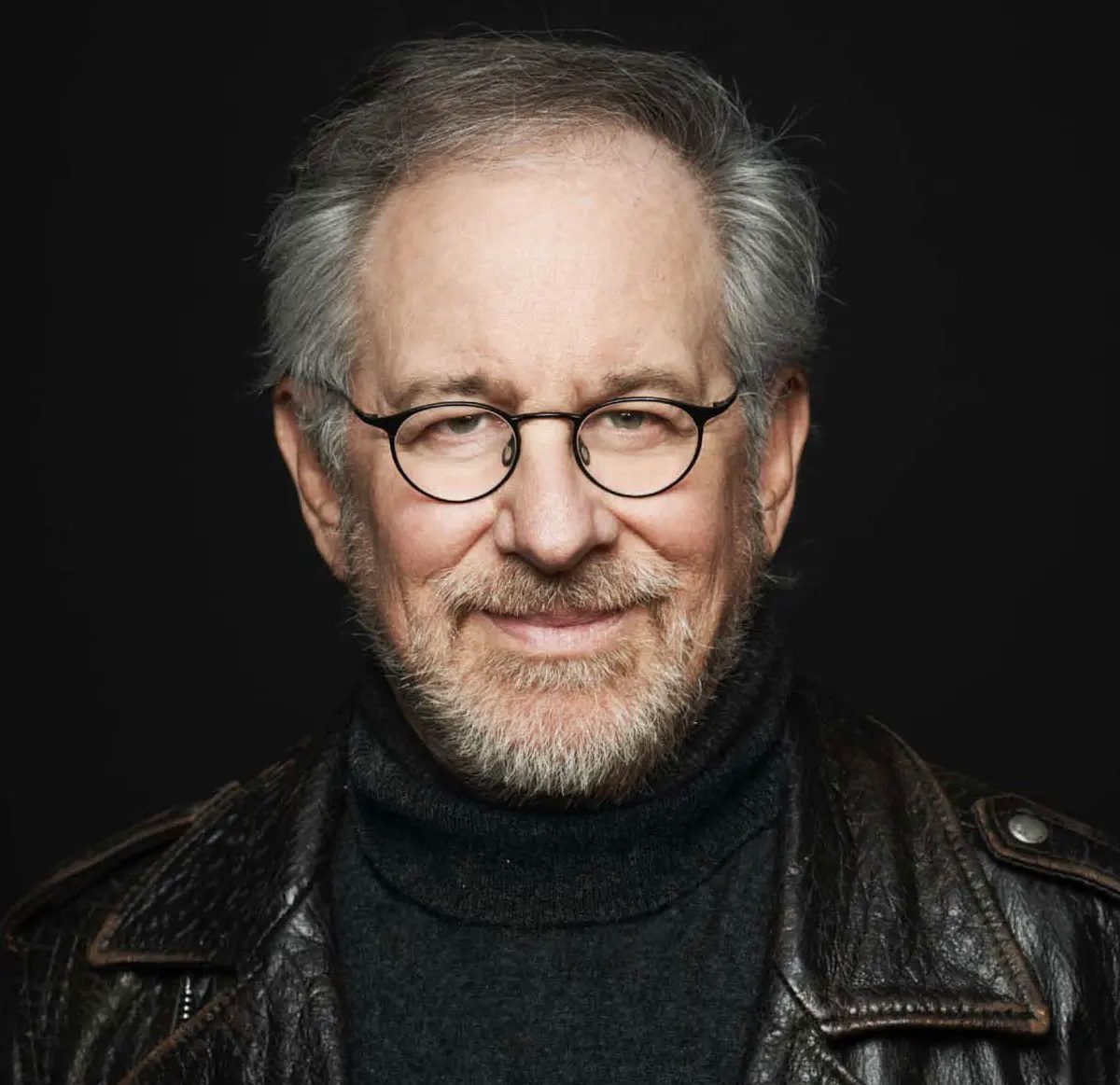
Steven Spielberg possesses a rich collection of awards that recognize his outstanding contribution to cinema:
- Academy Awards – three-time winner: for directing Schindler’s List (1993) and Saving Private Ryan (1998), as well as Best Picture (Schindler’s List);
- Golden Globe Awards – recipient of seven awards, including Best Director awards;
- BAFTA Awards – winner of multiple British Academy of Film awards;
- Cannes Film Festival – received an award for Best Screenplay;
- Saturn Awards – multiple winner for fantasy and science fiction films;
- Presidential Medal of Freedom – received in 2015 from U.S. President Barack Obama for his contribution to culture and cinema.
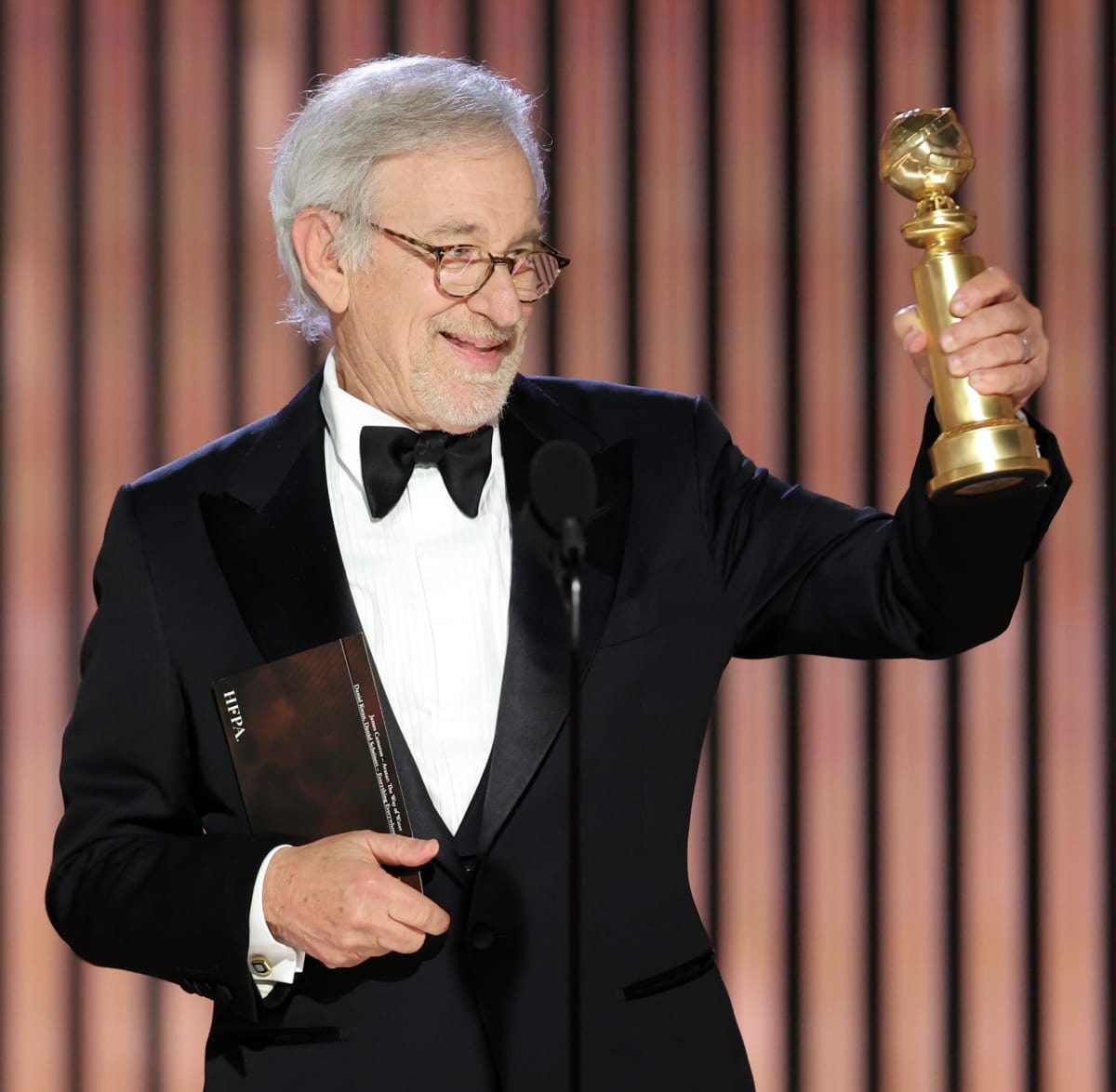
In 2001, Queen Elizabeth II of Great Britain knighted Spielberg for his contribution to the development of the global film industry, but the director did not become “Sir Steven” as he is a U.S. citizen. In 2004, French President Jacques Chirac appointed him a Chevalier of the Legion of Honour, and in 2008, President Nicolas Sarkozy elevated him to the rank of Officer of the Legion of Honour.
Life magazine included the director among the “50 Most Influential Personalities of His Generation,” and Empire ranked Spielberg first among the “Greatest Directors of All Time.” Time named Steven one of the “100 Most Influential People of the 20th Century.” Forbes ranked the director first among the “Most Influential Celebrities.” The U.S. Library of Congress included seven of Spielberg’s films in the National Film Registry for their special cultural, aesthetic, or historical significance: Saving Private Ryan, Jaws, E.T. the Extra-Terrestrial, Schindler’s List, Raiders of the Lost Ark, Close Encounters of the Third Kind, and Jurassic Park. Spielberg’s work has inspired many prominent colleagues, including Stanley Kubrick, Ridley Scott, Roman Polanski, Peter Jackson, David Lynch, Jeffrey Jacob Abrams, and Guillermo del Toro.