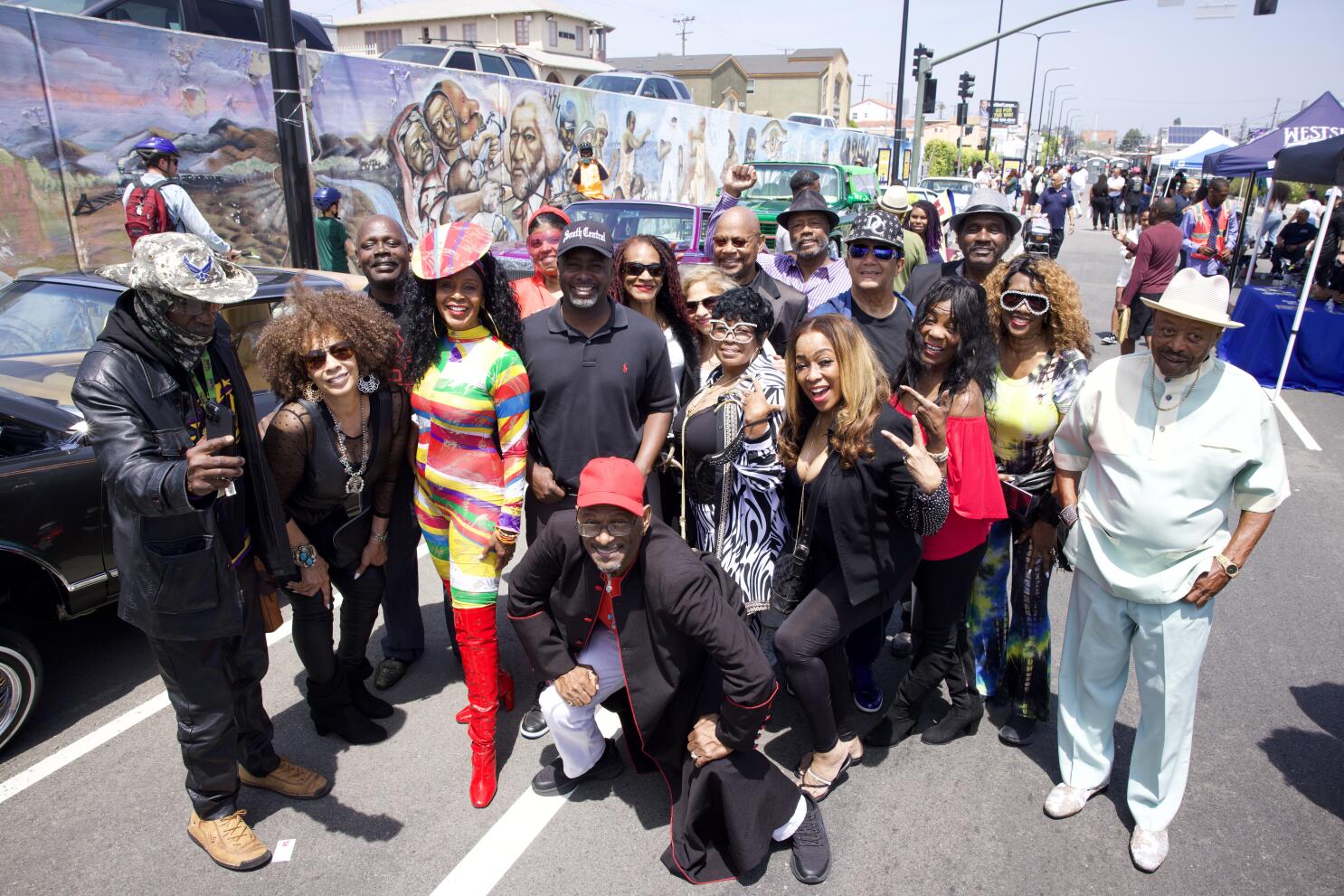

Every year, Los Angeles becomes the venue for one of the month’s most vibrant celebrations: the Black History Month Parade. This event is not only a formal commemoration of African American heritage but also a powerful platform for expressing cultural identity, unity, and social activism. You can also find out about the 1984 Olympic Arts Festival. Find more information at los-angeles.pro.
The History of the Celebration
The observance was established in 1926 by historian Carter G. Woodson and minister Jesse E. Moorland. Woodson sought to challenge the prevailing prejudice that Black people lacked their own history and founded the Association for the Study of Negro Life and History in 1915. This association encouraged scholars and historians to research and preserve Black history and culture. What began as a week-long celebration evolved into a month-long event during the 1960s. In 1976, President Gerald Ford officially recognized February as Black History Month. February was chosen to coincide with the birthdays of Abraham Lincoln and Frederick Douglass. Reference materials were published for schools with African American students during Negro History Week, yet access to materials about prominent Black Americans was limited in schools for white students.
Black History Month honors the heritage and achievements of African Americans and their central role in United States history. It is a designated time for celebrating Black individuals from all periods of U.S. history—from the enslaved people first brought from Africa in the early 17th century to African Americans living in the United States in the 21st century. Americans began to realize that their history was far richer and more complex, and less equal and bright, than they had imagined. A new generation of scholars is dedicating more attention to the achievements and experiences of Americans who were previously marginalized. During this month, both the positive and negative aspects of American history are discussed, such as voting rights, slavery, and discrimination. Conversations about shared history can help resolve differences and show greater solidarity.
You can also read about the Battle of Brooklyn—the largest battle of the War of Independence.
Events in Los Angeles
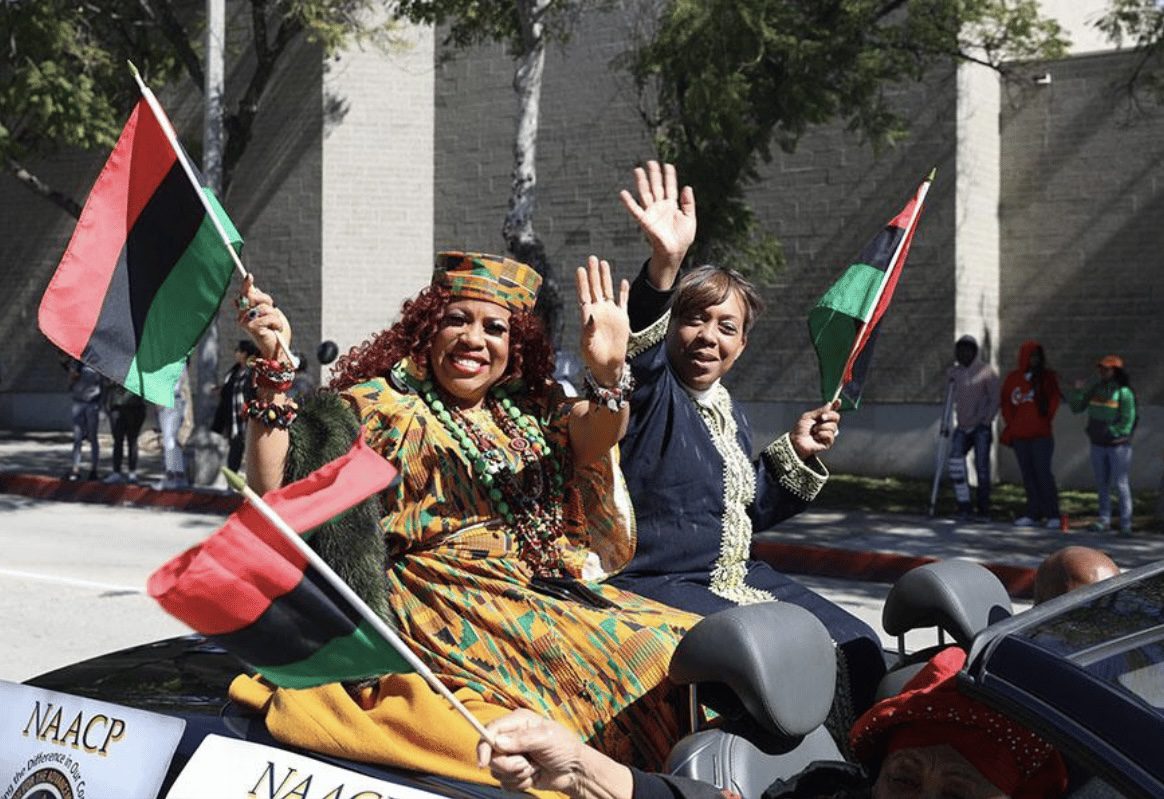
Black History Month is a time when the achievements, struggles, and contributions of African Americans to culture, science, and the arts are celebrated. The initiative, which began in the 1920s, has gained widespread recognition over the years and become an integral part of the American calendar. In Los Angeles, the parade transforms into a living museum, where every step and every performance serves as a reminder of the enormous contribution of the African American community to the formation of the modern city.
For many, Black History Month is a way to reflect on the diverse histories of those with African and Caribbean descent, taking into account their achievements and contributions to the social, political, economic, and cultural development of the U.S. Its importance cannot be underestimated, as history shapes lives and influences perspectives. However, Black History Month has its opponents. Some argue that confining Black history to a single month is hardly justifiable and can be perceived as tokenism. Instead, they suggest greater advocacy to integrate it into the mainstream education system.
During the Black History Month Parade in Los Angeles, organizers prepare a variety of activities that create an atmosphere of celebration for African American heritage and culture. The main part of the event is a procession with brightly decorated floats, themed convoys, and participants showcasing the traditions, fashion, and art of the African American community. Local and guest musicians, dance troupes, and performers, representing both classic and contemporary musical styles, perform on stages and along the route. Parallel to the main procession, exhibitions are organized, displaying works by local artists, photographs, historical artifacts, and other elements that tell the story of African American history and achievements. The event often includes speeches by activists, community leaders, and political figures who share their thoughts on social justice, equality, and the importance of preserving historical memory.
Organizing the Parade
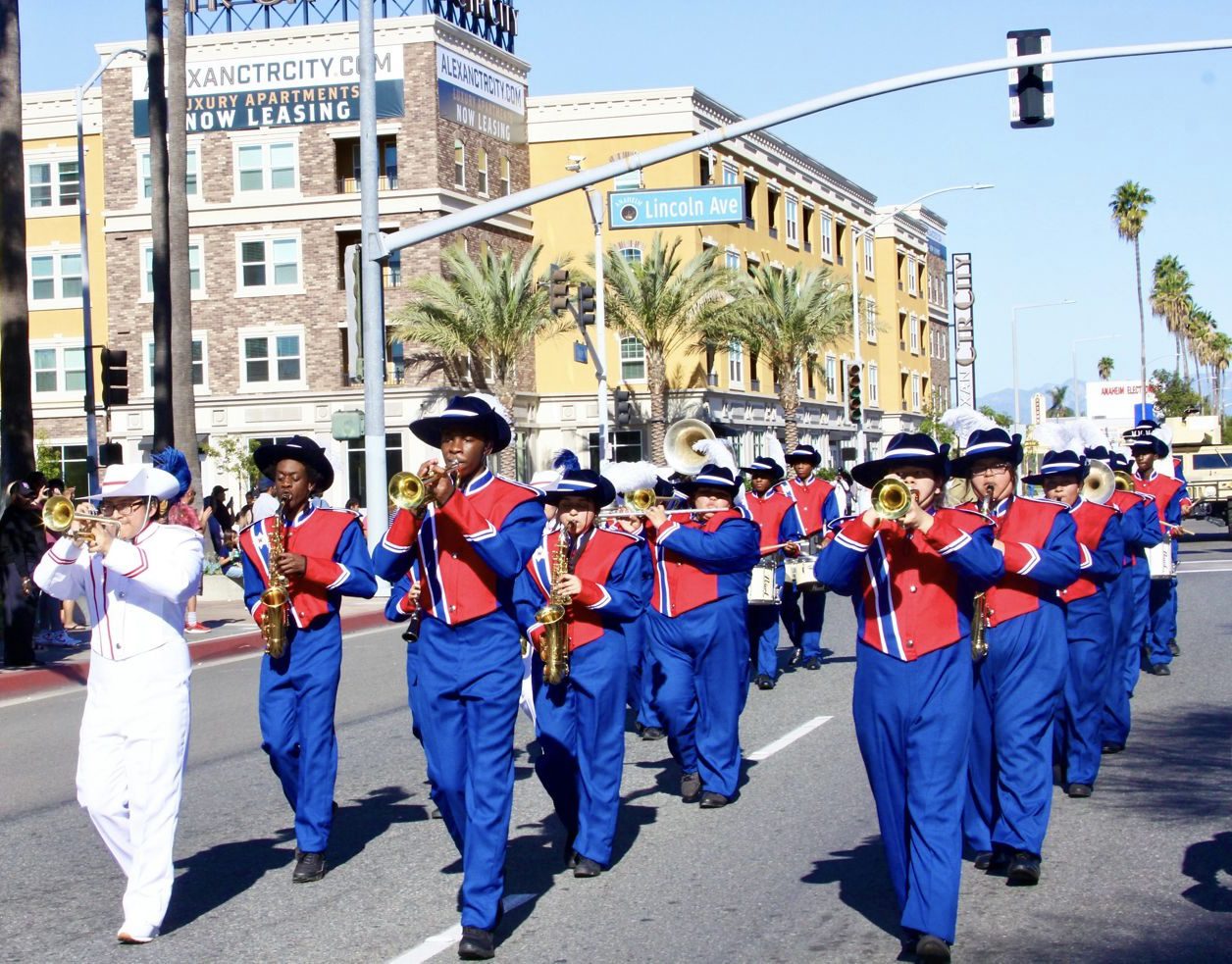
The parade in Los Angeles is a true festival of music, dance, fashion, and art. The city streets feature vibrant carnival costumes, street performers, and musical ensembles playing both classical and modern rhythms. Dance troupes, drumlines, and soloists from across the country bring generations together, demonstrating how tradition and modernity can coexist in harmony. This is not just entertainment—it’s a living history lesson, where every melody and every movement reflects the centuries-long struggle for equality and dignity.
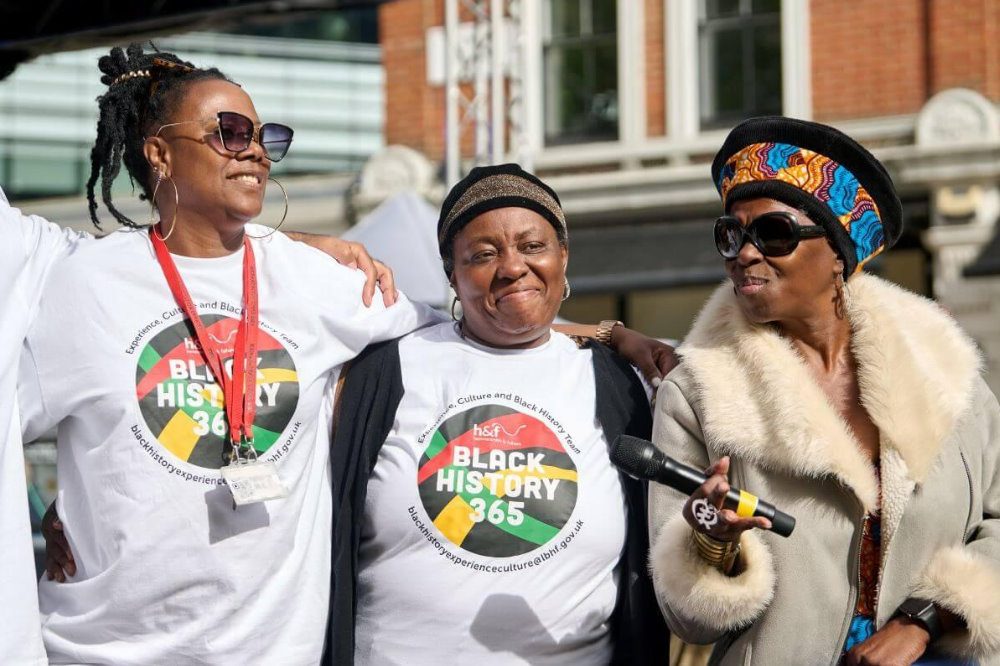
The event is organized by numerous local community organizations, activists, and cultural community representatives who work to ensure every participant can feel proud of their roots. Organizations dedicated to promoting African American heritage and cultural expression play the main role in the event’s preparation. These include various local initiatives aimed at supporting social justice and the development of local communities. Representatives from the music and film industries with deep roots in Los Angeles are often seen at the parade. The organizing committee also includes local government representatives, including the mayor and city council members, who demonstrate support for initiatives promoting equality and cultural diversity.
The carefully planned parade route stretches through central city districts, allowing it to reach a wide audience of Los Angeles residents and visitors. Preliminary organizer meetings, performance rehearsals, and volunteer work all ensure flawless organization and create an atmosphere of mutual support.
Social Significance
The Black History Month Parade in Los Angeles is always accompanied by active civic engagement. Alongside the celebratory activities, discussion clubs, activist speeches, and charitable campaigns aimed at supporting social projects are organized. Such events provide an opportunity not only to celebrate historical achievements but also to draw attention to contemporary challenges: the fight for human rights, social justice, and equal opportunities for all citizens.
For many Los Angeles residents, the parade is a ritual that unites families and generations. Participants share memories of their ancestors, are inspired by success stories, and find support in joint efforts for a better future. Visitor feedback indicates that this day fills hearts with pride, inspires new achievements, and contributes to the formation of a positive image of the city as a center of cultural richness and tolerance.
The Black History Month Parade in Los Angeles is much more than a typical street festival. It is a living manifesto of historical memory, creative energy, and the pursuit of social change. Everyone who takes part in this celebration feels the power of community and the importance of their own roots, inspiring further achievements and the preservation of cultural identity for future generations.