

Jordan Haworth Peele’s rise to fame is a rare masterclass in career transformation within the modern entertainment industry. Starting as a comedic actor and improv artist, he gained national recognition on a television sketch show before evolving into one of the 21st century’s most influential directors and screenwriters. His films do more than just dominate the box office; they redefine the very boundaries of the horror genre. Jordan Peele’s journey is a story of steady growth, creative audacity, and a deliberate choice to forge a unique voice in Hollywood. Read more at los-angeles.pro.
Formative Years
Peele was born on February 21, 1979, in New York City. His mother, Lucinda Williams, is from Maryland, while his father, Hayward Peele Jr., was an African American originally from North Carolina. After his father left the family when Jordan was seven, he was raised by his mother on Manhattan’s Upper West Side. This experience of growing up in New York’s multicultural environment would later deeply influence the themes of his work.
Peele’s interest in cinema began in childhood. He has often noted that by age twelve, he already knew he wanted to be a film director. A turning point occurred at summer camp, where he told a scary story around a campfire and realized that fear loses its power over you once you are the one creating it. This concept eventually became a fundamental pillar of his cinematic language.
He attended the Computer School in Manhattan and later graduated from The Calhoun School. Afterward, he enrolled at Sarah Lawrence College, where he chose an unconventional major: puppetry. Although he left college after two years to pursue a career in comedy, that period helped shape his out-of-the-box thinking and experimental approach to art.

The Path to TV Comedy
Jordan Peele took his first professional steps in the world of improvisational comedy. He performed with the English-speaking troupe Boom Chicago in Amsterdam and later trained and performed at the legendary The Second City in Chicago.
His television breakthrough came in 2003 when he joined the cast of the sketch show “Mad TV” on Fox. Over five seasons, he established himself as a master of parody and transformation, creating memorable impressions of everyone from Morgan Freeman to Flavor Flav. His time on “Mad TV” provided more than just fame; it gave him a deep understanding of television production, script structure, and comedic timing.
Defining a Signature Style
A new chapter in his career began in 2012 with the launch of the sketch comedy series “Key & Peele” on Comedy Central. The project quickly became a cultural phenomenon. The show balanced humor with sharp social satire, exploring issues of race, identity, media, and politics.
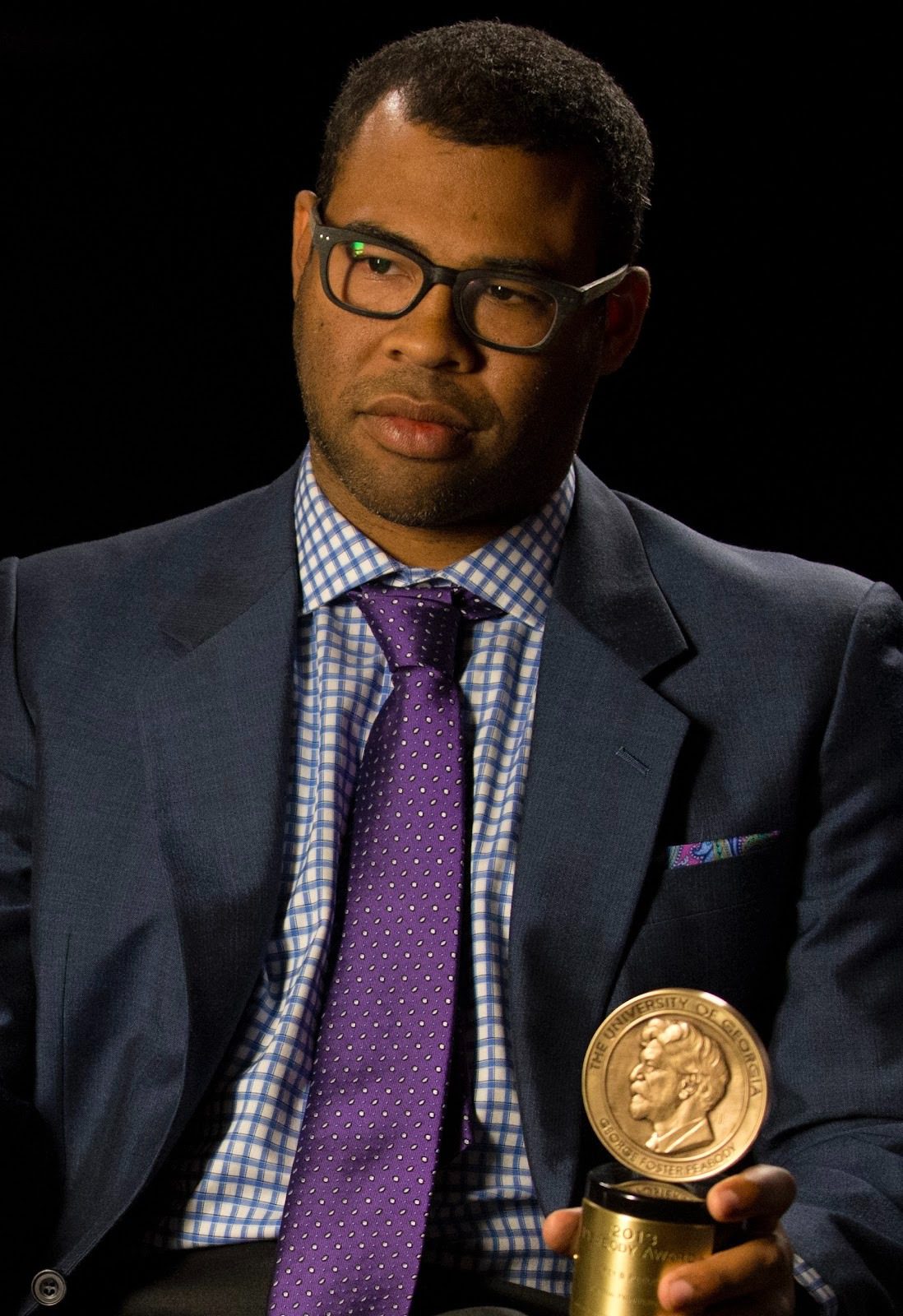
The series ran until 2015, winning a Peabody Award while its sketches went viral across the internet. It was during “Key & Peele” that Jordan Peele first clearly demonstrated his ability to blend entertainment with deep social subtext—a trait that would become the hallmark of his future films.
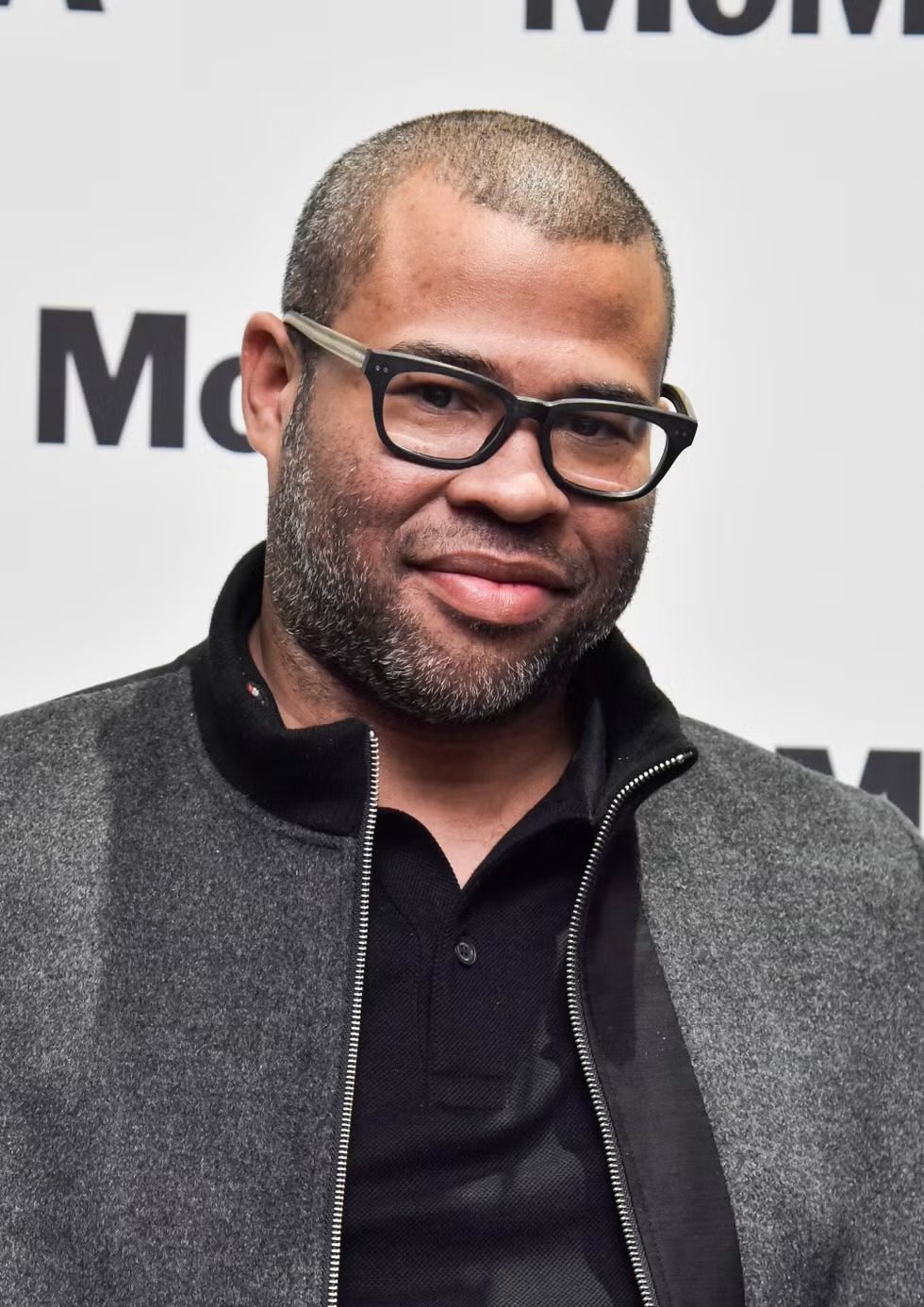
Peele’s career took a radical turn in 2017 with his directorial debut, “Get Out.” Conceived as a psychological horror with satirical elements, the film unexpectedly became a massive cultural event. The movie received nearly universal critical acclaim, grossing over $255 million worldwide on a budget of approximately $4.5 million. “Get Out” earned Peele an Academy Award for Best Original Screenplay, making him the first African American to win in that category. The film also received nominations for Best Picture and Best Director.
Expanding His Directorial Legacy
Following his debut success, Peele founded Monkeypaw Productions, a platform dedicated to creating auteur-driven and socially relevant projects. He continued his work in the horror genre, directing “Us” in 2019 and “Nope” in 2022. Both films were commercial hits and sparked widespread critical discussion.
Simultaneously, Peele served as a producer for other projects, including Spike Lee’s “BlacKkKlansman,” which earned a Best Picture nomination. His production work also extends to television, including the reboot of “The Twilight Zone” and the series “Lovecraft Country.”
Jordan Peele consistently uses genre cinema as a vehicle to discuss racism, historical memory, societal fears, and power dynamics. Critics often cite “Get Out,” “Us,” and “Nope” as some of the most significant horror films of the 21st century. In 2017, Peele was named one of Time 100’s most influential people in the world. His success is measured not just in awards or box office numbers, but in his ability to shift the paradigm of genre filmmaking. He proved that horror can be intellectual, socially biting, and a massive hit all at once.
From the improv stage to the Oscars’ red carpet, he has managed to keep his directorial voice intact while translating personal experience into a universal cinematic language. His story serves as a blueprint for a new generation of artists who aim not just to work in the industry, but to shape its future. tags Jordan Peele, Jordan Peele biography, social horror author, director Jordan Peele, screenwriter Jordan Peele, Get Out movie, Us movie, social horror, modern horror, Jordan Peele influence, US film director, cinematic social themes, Jordan Peele awards, social commentary horror, comedy and horror, psychological horror, Jordan Peele work, cultural phenomenon, social criticism in film, Hollywood director