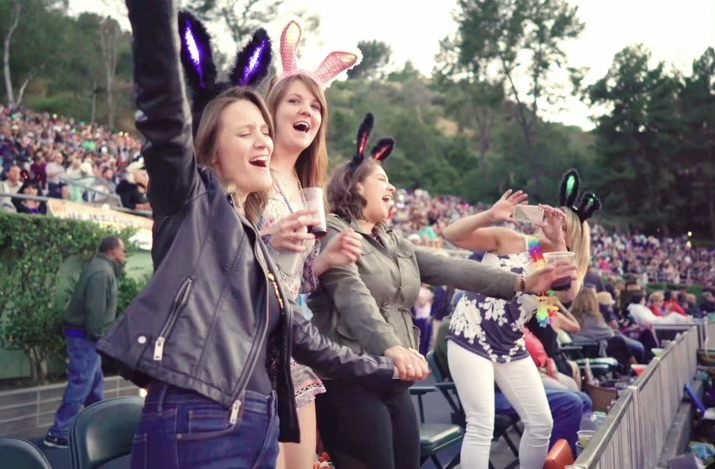

Los Angeles is a city that lives and breathes music, and one of its most famous musical celebrations is the Playboy Jazz Festival. Founded in 1959 by Hugh Hefner, the festival became a landmark event for jazz fans from all over the world. Annually, the stage of the Hollywood Bowl amphitheater brings together legendary musicians, young talents, and thousands of live performance enthusiasts. You can also learn about the Black History Month Parade in Los Angeles. Read more at los-angeles.pro.
The Festival’s History
The Playboy Jazz Festival first took place in Chicago. It was organized as part of the celebration of the fifth anniversary of Playboy magazine. However, it was later moved to Los Angeles, where it gained incredible popularity. The festival quickly became a symbol of West Coast jazz culture, attracting not only locals but also tourists from around the world. One of the festival’s unique features is its democratic approach: you can hear both traditional jazz and experimental styles—from bebop and swing to fusion and Latin jazz. The first festival in Chicago featured legends such as the orchestras of Stan Kenton, Count Basie, and Duke Ellington, the Dizzy Gillespie Quintet, Sonny Rollins, Nina Simone, Jimmy Giuffre, J.J. Johnson, Oscar Peterson, Ella Fitzgerald, and Louis Armstrong. The festival has always been famous for its openness to experimentation, including collaborations with rappers and electronic music artists such as “The Roots” and Robert Glasper. Performances by Afro-Cuban ensembles added a Caribbean flavor, and projects where jazz musicians performed with an orchestra created unique fusion compositions.
In August 1991, the festival launched its first international collaboration in the global concert market. The Jazz Festival was held in Japan. Two days of unique musical events took place at the Tokyo Dome and the Fukuoka Kokusai Center on Kyushu Island. This festival was broadcast live by Japan Satellite Broadcasting, Inc. The following year, the festival returned to Japan, where the artists’ performances received critical acclaim. The Playboy Festival also pioneered a groundbreaking program, offering a live broadcast of the two-day Hollywood Bowl lineup. This free access was extended to all non-commercial radio broadcasters across the U.S. This unique offer was recognized by the public broadcasting community. In the first year, over 100 broadcasters aired part or all of the festival live. Each year, the festival broadcast became one of the most anticipated events of the year among public broadcasters and their audiences, with the number of radio affiliates growing to over 200.
You can also find out about the success story of Johnny Depp.
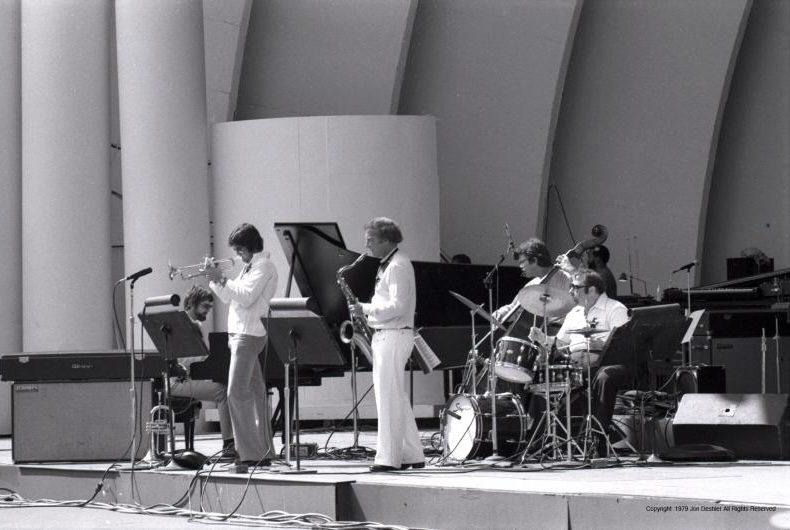
In 2020, the festival was canceled for the first time in many years due to the COVID-19 pandemic, forcing organizers to switch to online formats and streaming. Although the atmosphere of live performances was lost, virtual concerts allowed the tradition to be maintained and the jazz community to be supported. The festival’s revival after the pandemic was triumphant: the return to the Hollywood Bowl stage was accompanied by sold-out shows and performances by both jazz veterans and new stars. In 2022, the festival was renamed the Hollywood Bowl Jazz Festival. The event continues the tradition of showcasing both established and emerging jazz artists, remaining popular among jazz fans in the U.S. The venue remained unchanged. Thanks to the festival, jazz music is gaining momentum and attracting more listeners every year.
Festival Traditions
The festival lasts for two days and attracts over 30,000 spectators. The Hollywood Bowl amphitheater transforms into a genuine open-air musical celebration. Spectators bring blankets and picnic baskets, enjoying the music and the atmosphere. Another tradition is the performances by young jazz ensembles, who get the opportunity to introduce themselves on the big stage.
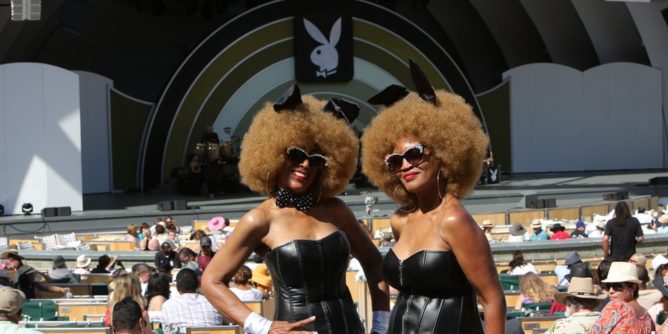
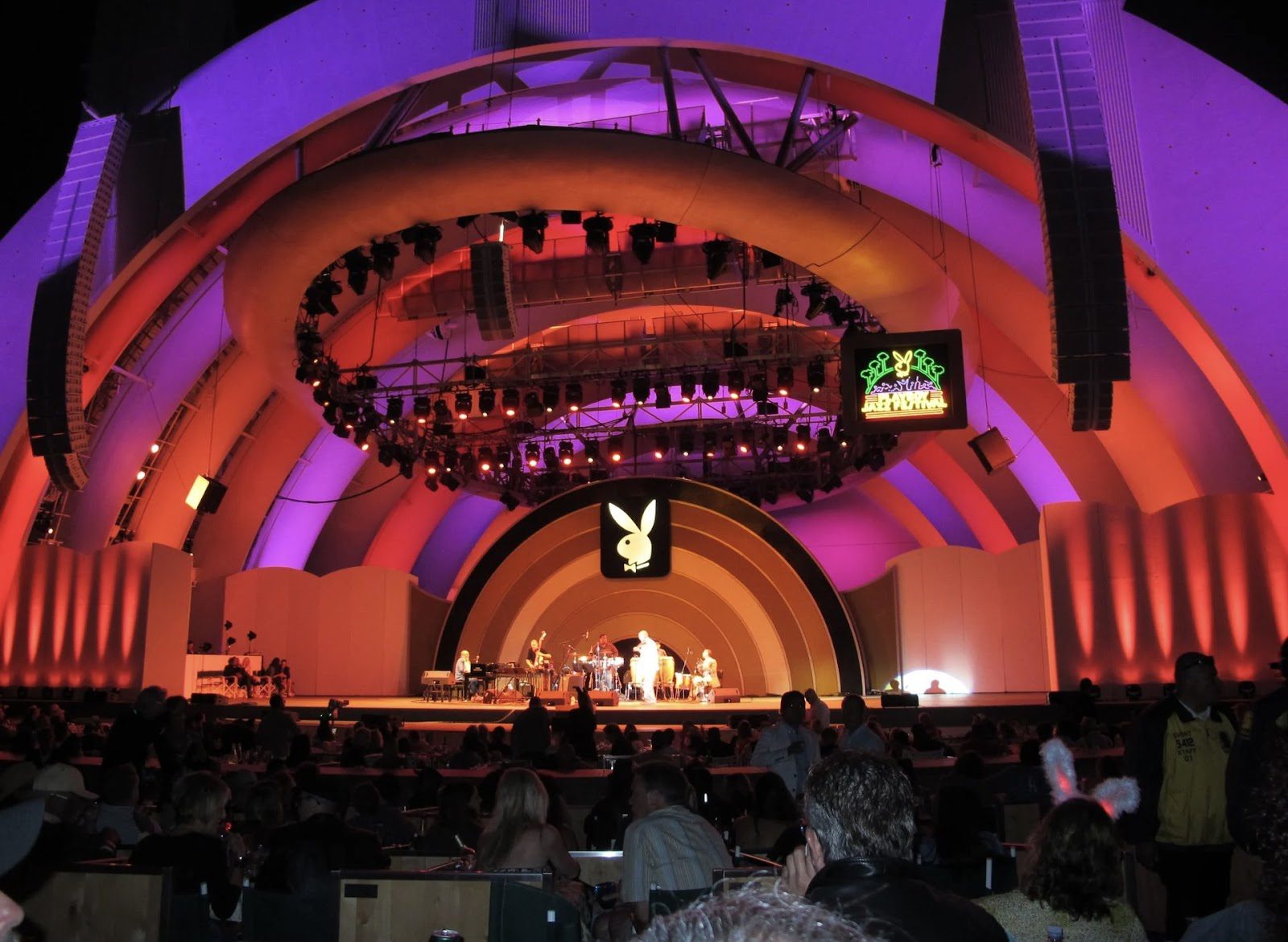
The festival’s symbol remains the iconic logo featuring the tuxedo-clad bunny, which adorns the stage and merchandise. The festival’s long-time host was the legendary comedian Bill Cosby, whose humor and knowledge of jazz became an inseparable part of the event.
Following the death of Hugh Hefner in 2017, the festival continues to thrive and evolve. Modern organizers preserve the traditions but also add new formats—for example, DJ sets and interactive areas for visitors. The Hollywood Bowl Jazz Festival remains one of the most anticipated musical events of the year in Los Angeles. Its atmosphere, rich history, and unique spirit of jazz make this festival truly one-of-a-kind. For many, it’s not just a concert—it’s a true celebration of music and freedom, gathering friends, families, and dedicated jazz fans every year under the starry California sky.
Festival Performances
In 1979, Playboy magazine presented the jazz festival at the Hollywood Bowl in Los Angeles. Performers included Benny Goodman, Count Basie, Joe Williams, Lionel Hampton, Chick Corea, Herbie Hancock, Willie Bobo, Art Blakey, Ray Brown, Stan Getz, Dizzy Gillespie, Dexter Gordon, Freddie Hubbard, Jerry Mulligan, and many others.
In 1984, the festival was dedicated to Count Basie, who had appeared at the original festival in Chicago in 1959. Recordings, tapes, video discs, and video cassettes of the 1982 festival were released internationally. Public events continued across Southern California, including a concert on the steps of Los Angeles City Hall featuring Grammy nominees.
In 2008, pianist Herbie Hancock and dancer Debbie Allen received numerous ovations. A huge success among both fans and critics, the performance brought the crowd to its feet and garnered one of the longest standing ovations in the festival’s history.
The 2009 festival saw the stunning debut of Esperanza Spalding. The vocalist performed as the frontwoman of her own band, demonstrating her vocal mastery and individual sound. Sharon Jones and “The Dap Kings Rock The House” also performed at the festival.
In 2013, the festival featured performances by George Duke with Jeffrey Osborne, Gregory Porter, the Robert Glasper Experiment, the Grace Kelly Quintet with Phil Woods, and the Pedrito Martinez Group.
Among the landmark performances at the festival, it is worth highlighting:
- Miles Davis in 1982 — his experimental set changed the perception of jazz improvisation;
- Ella Fitzgerald’s final performance — one of the most emotional moments in the festival’s history. Her rendition of “Summertime” moved thousands of spectators;
- The return of Dizzy Gillespie — his performance became a symbol of the unity of traditional and modern jazz.
Thanks to the festival, Los Angeles became the jazz capital of the U.S. West Coast. There is even a distinct fashion trend among participants and guests: people wear jazz hats, retro dresses, and tuxedos. These have become a kind of unofficial dress code for the event.
Festival Philanthropy
The Hollywood Bowl Jazz Festival not only promotes jazz but also supports educational initiatives by organizing master classes and workshops for young musicians. Many famous jazz artists admit that this festival was a career springboard for them. The festival also has a charitable component: a portion of ticket sales is directed toward supporting music schools and programs for children from low-income families.